





Formica fusca
Formica fusca
The Formica fusca is a small, hardworking ant that lives in colonies. They are known for their teamwork and can be found in many places, helping to keep the environment healthy.
Habitat: Forests
The Formica fusca is a medium-sized ant, typically dark brown to black, with a slightly glossy body. Its slender, elongated form distinguishes it from chunkier ant species, and it lacks prominent hairs on its head and thorax.
Category
InsectsRarity
Common
Danger
1/5 · Very low
Snaps
1
A single Formica fusca queen can live for up to 20 years, founding huge colonies!
Other ant species sometimes raid Formica fusca nests to steal their young and make them workers!
These ants can produce a natural antifreeze to survive very cold winter temperatures.
They are known to 'farm' aphids, protecting them for their sweet, sugary honeydew.
Formica fusca can run incredibly fast, reaching speeds that help them quickly escape predators or hunt down small prey.
Formica fusca has special glands that can spray formic acid, helping them defend the nest and paralyze small enemies.
Formica fusca can follow complex scent trails laid by their sisters, guiding them efficiently to food sources and back home.
Formica fusca can build intricate underground nests that protect the colony from predators and harsh weather conditions.
These ants are omnivores, eating both plant matter like honeydew and small insects.
Polyergus rufescens
These 'slave-maker' ants raid nests to steal young.
Aphis fabae
Formica fusca protects aphids for their sweet honeydew.
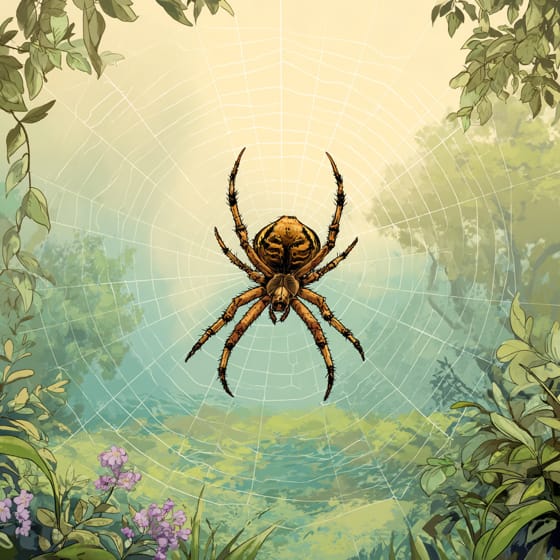
Araneus diadematus
Spiders catch foraging ants in their webs for a meal.
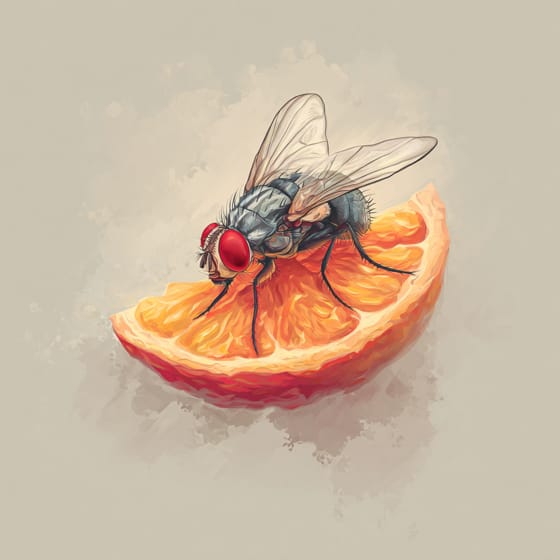
Drosophila melanogaster
These ants scavenge dead fruit flies or hunt live ones.
Social animals live in organized groups, cooperating for survival benefits such as foraging, defense, and raising offspring.
This trait identifies organisms whose diet includes both plant and animal matter.
Describes organisms that break down dead organic material, recycling nutrients back into the ecosystem.
Forest habitats are terrestrial environments dominated by dense tree cover, supporting a high diversity of plant and animal life.

Diurnal animals are primarily active during daylight hours, typically resting or sleeping at night.

Describes a species whose presence and role have a disproportionately large effect on its environment.

Pertaining to species that are significantly smaller than typical or average for their kind.

Describes organisms that transfer pollen, enabling the fertilization and reproduction of plants.
No aliases listed yet.
Danger
1/5 · Very low
Ants are usually not harmful, but it's best not to disturb their nests.
The easiest way to identify Formica fusca is to use the Snappit nature identifier app.
3.5-6 mm
365-730 days
These ants are omnivores, eating both plant matter like honeydew and small insects.
Forests
Foraging
6
15000
Zoom in to split clusters and explore where this object has been snapped.
Take the discovery with you
Snap it with Snappit to identify it, learn what makes it special, and add the discovery to your collection.









.jpg&width=800)


