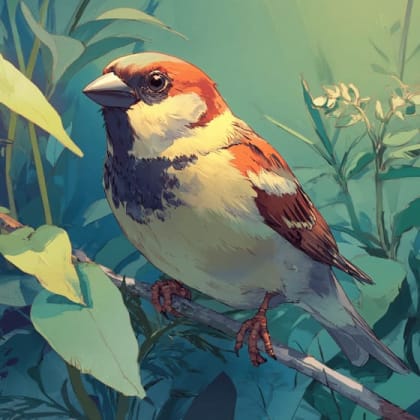
American Robin

Hoosier Prairie State Nature Preserve protects a vital piece of Indiana's natural heritage.
Hoosier Prairie State Nature Preserve protects a vital piece of Indiana's natural heritage. This expansive prairie showcases a stunning array of native plants and diverse habitats, offering a serene escape into a landscape once common across the region. Designated as both a State Nature Preserve and a National Natural Landmark, it's a testament to successful conservation efforts.
The preserve features a mosaic of environments, from dry black oak barrens and mesic sand prairie openings to wet prairies, sedge meadows, and prairie marshes. These varied conditions support over 350 native plant species, including rare beauties like white wild indigo, prairie parsley, and Indian paintbrush. Birdwatchers can delight in spotting red-headed woodpeckers, sedge wrens, meadowlarks, and bobolinks, while keen observers might glimpse eyed brown butterflies or various reptiles and amphibians in the wetland "potholes."
Visiting Hoosier Prairie offers a unique opportunity to connect with Indiana's ecological past and witness ongoing restoration efforts. Its easy-to-navigate trails lead through breathtaking wildflower displays, especially vibrant in late summer, and provide excellent chances for wildlife photography. It's a memorable destination for anyone seeking tranquility, natural beauty, and a deeper understanding of prairie ecosystems. Wondering what that bird or insect is? Find out on your visit using the Snappit nature app.
Hoosier Prairie began its journey to preservation in the 1970s, largely due to the dedicated efforts of Irene Herlocker-Meyer and conservation groups who recognized its unique ecological significance. What started as approximately 304 acres has since grown to cover 1,547 acres of critical prairie habitat. The area was officially designated a National Natural Landmark in 1974 and became a State Nature Preserve in 1977. Crucially, the preserve is maintained through carefully controlled fires, a natural process that helps manage woody plant invasion and promotes the health and diversity of the prairie ecosystem, mimicking conditions prior to European settlement.
Walk the accessible gravel trail, then venture onto the Prairie Marsh Loop and Savanna Loop to immerse yourself in different prairie environments. Engage in birdwatching, nature photography, and simply enjoy the tranquility and unique sounds of the prairie.
Spring: Emergence of early wildflowers and migratory bird activity.
Summer (Late): Peak bloom of prairie wildflowers, offering vibrant colors and attracting numerous pollinators.
Fall: Beautiful fall colors among the grasses and savanna trees, and continued birdwatching opportunities.
Winter: Offers a stark, peaceful beauty and chances to see wintering birds.
The first 0.15 miles (0.24 km) of the trail from the parking lot is a wide, crushed gravel path considered wheelchair accessible, providing views into the prairie marsh. Other trails into the prairie are chipped bark pathways, which are single-file and may not be suitable for wheelchairs or side-by-side walking.
Explore the diverse habitats of tallgrass prairie, oak savanna, and marshland. Look for rare plants like white wild indigo, Indian paintbrush, and rose pogonia. Keep an eye out for prairie birds such as red-headed woodpeckers, sedge wrens, and meadowlarks. The "potholes" in the wet prairie areas are great spots to observe amphibians and reptiles.
Each card links to a full Explore page with photos, traits, and fun facts.
Start with the big picture, then zoom in to explore individual wildlife observations around this place.
Bring binoculars
Essential for birdwatching and spotting distant wildlife amidst the tall prairie grasses.
Wear sturdy footwear
While some trails are gravel, others are chipped bark and can be uneven, especially after rain.
Visit during off-peak hours
Early mornings or late afternoons often provide the best opportunities for wildlife sightings and a more serene experience.
Carry water and snacks
There are no restrooms or potable water facilities within the preserve.
Stay on marked trails
This protects the delicate prairie ecosystem and helps prevent disturbance to wildlife.
Leash your pets
Pets are permitted but must be on a leash 6 feet or shorter.
May 11, 2026
Photo attribution
(c) Katie Kucera, some rights reserved (CC BY)
License: CC BY 4.0 ↗
Image may be shown cropped inside the card frame.
Jun 6, 2026
Jun 6, 2026
Jun 6, 2026
Jun 5, 2026

Maryland, US
You might spot White-Tailed Deer and Eastern Gray Squirrel.
View guide →
.jpg)
District of Columbia, US
You might spot Eastern Gray Squirrel, Duck, and House Sparrow.
View guide →

Illinois, US
You might spot American Robin, Canada Goose, and House Sparrow.
View guide →

Virginia, US
You might spot Spotted Lanternfly and Northern Cardinal.
View guide →
Take the discovery with you
Identify the wildlife you spot, learn as you go, and keep a collection of the adventure.