





Four-Spotted Odorous Ant
Dolichoderus quadripunctatus
The Four-Spotted Odorous Ant is a small ant known for its unique smell when disturbed. They are social insects that work together in large groups to find food and build their homes.
Habitat: Forests
The Four-Spotted Odorous Ant is a small, dark brown to black ant with a dull, matte sheen. It has four prominent, yellowish-white spots on its abdomen, making it easily identifiable from similar ants.
Category
InsectsRarity
Common
Danger
2/5 · Low
Snaps
Be the first to snap!
Sometimes, they pretend to be dead when danger is near to trick predators!
Their "four spots" can sometimes be more or less, making them tricky!
These ants don't sting, but can bite and spray an irritating liquid!
They often march in long lines, following invisible scent trails to food.
Four-Spotted Odorous Ants can release a unique, chemical odor when threatened because it helps them scare away predators.
Four-Spotted Odorous Ants have a special ability to build their nests high up in trees because it keeps them safe from ground predators.
Four-Spotted Odorous Ants can "farm" tiny insects called aphids because they produce a sugary liquid called honeydew.
These ants are omnivores, enjoying sugary liquids like honeydew and small insects.
Aphis fabae
tends for sweet honeydew on plants.
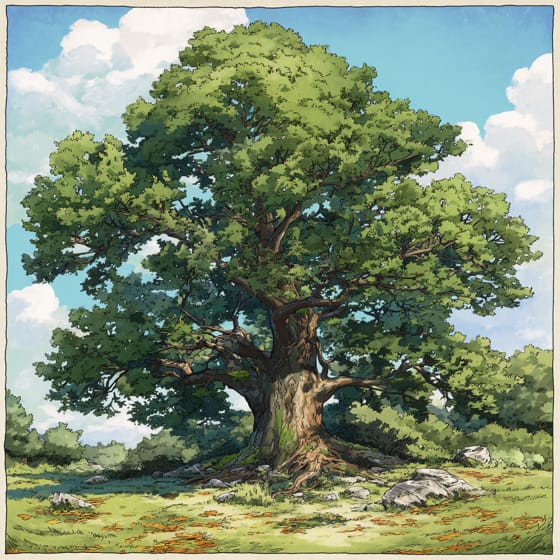
Quercus robur
builds nests in tree bark and crevices.
%2C_Parc_de_Woluw%C3%A9%2C_Brussels_(13042792905).jpg&width=800)
Parus major
preys on foraging ants on trees.
Marked with spots or patches of a different color.
Social animals live in organized groups, cooperating for survival benefits such as foraging, defense, and raising offspring.
This trait identifies organisms whose diet includes both plant and animal matter.
Describes organisms that break down dead organic material, recycling nutrients back into the ecosystem.

Forest habitats are terrestrial environments dominated by dense tree cover, supporting a high diversity of plant and animal life.

Describes organisms that transfer pollen, enabling the fertilization and reproduction of plants.
No aliases listed yet.
Danger
2/5 · Low
Be careful not to disturb ant nests, as they can bite if they feel threatened.
The easiest way to identify Four-Spotted Odorous Ant is to use the Snappit nature identifier app.
2-4 mm
60-90 days
These ants are omnivores, enjoying sugary liquids like honeydew and small insects.
Forests
Foraging
6
10000
Zoom in to split clusters and explore where this object has been snapped.
Recent snaps will appear here as new observations are added.
Take the discovery with you
Snap it with Snappit to identify it, learn what makes it special, and add the discovery to your collection.









.jpg&width=800)



