





French stick insect
Clonopsis gallica
The French stick insect is a clever little creature that looks just like a stick! It can stay very still to hide from birds and other animals that might want to eat it.
Habitat: Forests
The French stick insect is a slender, twig-like insect, typically green, brown, or grayish. It has a long, cylindrical body and thin legs, making it appear almost indistinguishable from plant stems. This species is notably wingless and lacks any prominent markings.
Category
InsectsRarity
Common
Danger
1/5 · Very low
Snaps
Be the first to snap!
Did you know nearly all French stick insects are female? Males are super rare!
Their eggs are disguised as tiny plant seeds, dropped right onto the forest floor!
These insects don't fly! They walk everywhere, perfectly blending into their surroundings.
When threatened, they often sway gently, just like a twig blowing in the wind!
French stick insect can lay eggs that hatch into new females without needing a male, because of this unique ability that helps them reproduce quickly.
French stick insect has a super slim body and earthy colors that help them perfectly mimic twigs and leaves, making them nearly invisible to predators.
French stick insect can shed a leg if caught by a predator, because this allows them to escape danger and survive.
These herbivores munch on fresh leaves and small plants, especially from shrubs and trees.
%2C_Parc_de_Woluw%C3%A9%2C_Brussels_(13042792905).jpg&width=800)
Parus major
Birds are common predators of stick insects.
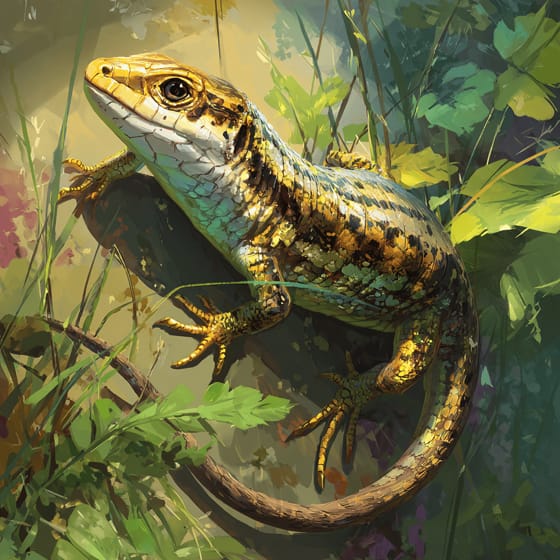
Podarcis muralis
Lizards hunt small insects in their habitat.
Quercus ilex
Feeds on the leaves of this Mediterranean tree.
Solitary animals live alone for most of their lives, only interacting with others for mating or parental care.
Camouflaged describes organisms that possess coloring or patterns that allow them to blend into their environment.
This trait characterizes organisms whose diet consists entirely or primarily of plant material.
Forest habitats are terrestrial environments dominated by dense tree cover, supporting a high diversity of plant and animal life.

Diurnal animals are primarily active during daylight hours, typically resting or sleeping at night.
No aliases listed yet.
Danger
1/5 · Very low
Always watch stick insects from a distance so you don't scare them.
The easiest way to identify French stick insect is to use the Snappit nature identifier app.
60-90 mm
180-365 days
These herbivores munch on fresh leaves and small plants, especially from shrubs and trees.
Forests
Grazing
6
Zoom in to split clusters and explore where this object has been snapped.
Recent snaps will appear here as new observations are added.
Take the discovery with you
Snap it with Snappit to identify it, learn what makes it special, and add the discovery to your collection.







.jpg&width=800)



