





frostweed
Verbesina virginica
Frostweed is a special plant that can grow tall and has beautiful yellow flowers. It gets its name because it can look like it has frost on it when the weather is cold!
Habitat: Grasslands
The frostweed has tall, sturdy green stems topped with clusters of bright white, daisy-like flowers. Its large, dark green leaves feature unique winged petioles that run down the stem. It stands out with its abundant white blooms against a backdrop of green foliage.
Category
PlantsRarity
Common
Danger
1/5 · Very low
Snaps
1
Its sturdy stems can grow taller than most kids, reaching up to two meters!
Its unique stems have green 'wings' that look like frilly ribbons!
Many types of butterflies and bees flock to its abundant, sweet white flowers for nectar.
When the weather freezes, sap pushing from its stem cracks creates amazing ice ribbons!
Frostweed can create beautiful ribbons of ice from its stems in freezing weather, a unique natural phenomenon.
Frostweed has unique 'wings' running down its stems, which help support the plant and deter hungry browsers.
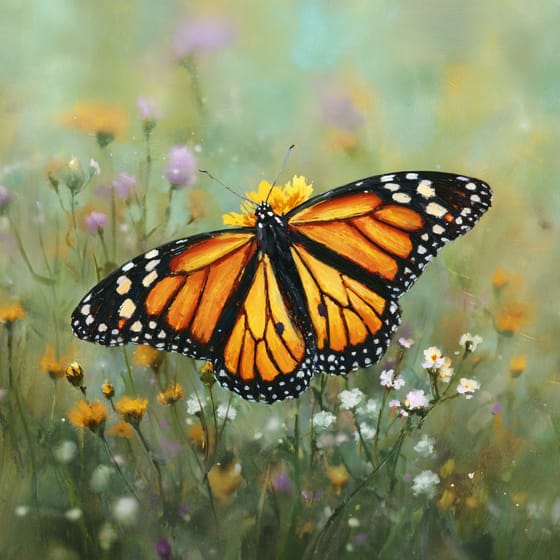
Danaus plexippus
Monarch butterflies sip nectar from its white flowers.
Apis mellifera
Honey bees gather nectar and pollen from its blooms.

Odocoileus virginianus
Deer occasionally browse its leaves and tender stems.
Deciduous plants periodically shed all their leaves, typically during autumn or dry seasons.
Flowering plants are any plants that produce flowers as part of their reproductive cycle.
Summer blooming plants produce their flowers during the summer season, often providing vibrant color when many other plants have finished.
Cold hardy plants are able to withstand low temperatures and freezing conditions without significant damage.

Grassland habitats are terrestrial biomes dominated by grasses and herbaceous plants, supporting a variety of grazing animals.

Describes plants that are particularly attractive and beneficial to a wide range of pollinating organisms.

Rapid growing plants exhibit accelerated growth rates, quickly increasing in size and biomass within a short period.
No aliases listed yet.
Danger
1/5 · Very low
Always look but don't touch wild plants unless a grown-up says it's okay.
The easiest way to identify frostweed is to use the Snappit nature identifier app.
100-200 cm
30-90 cm
1-2 cm
Late summer to fall
No
None
Perennial
Zoom in to split clusters and explore where this object has been snapped.
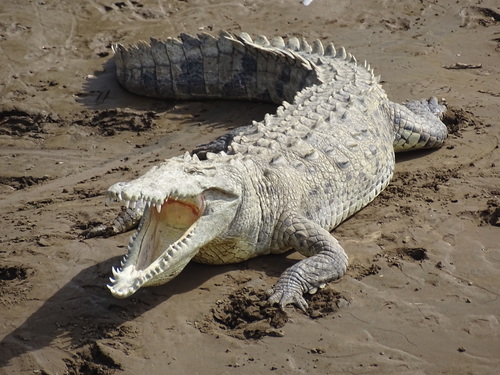
Florida, US
You might spot American Crocodile and American Alligator.
View guide →

Kentucky, US
You might spot Pond Slider, Crane-Fly Orchid, and Bloodroot.
View guide →

Kentucky, US
You might spot Fortune's Spindle, Amur Honeysuckle, and Osage-Orange.
View guide →
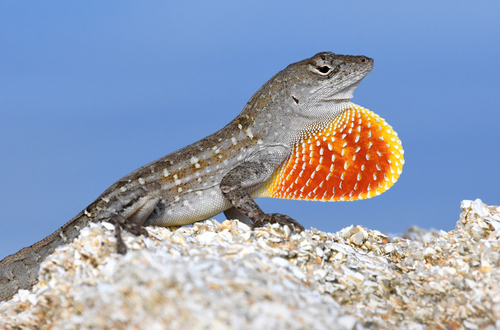
Texas, US
You might spot Brown Anole, Eastern Gray Squirrel, and Bee.
View guide →
.jpg)
Texas, US
You might spot White-Tailed Deer, Agarita, and Raccoon.
View guide →
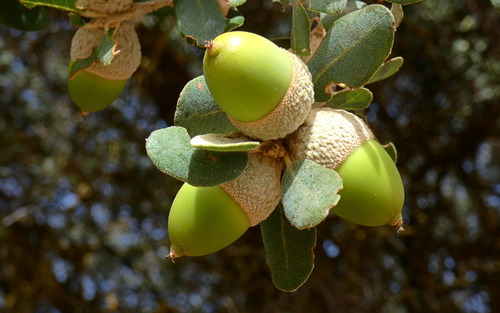
Florida, US
You might spot Oaks, Baldcypress, and Virginia Creeper.
View guide →
Take the discovery with you
Snap it with Snappit to identify it, learn what makes it special, and add the discovery to your collection.







.jpg&width=800)



_001.jpg&width=800)




