




slough sedge
Carex obnupta
Slough sedge is a tall, grassy plant that grows in wet places like marshes. It has long, green leaves and fluffy flower heads that look like little brushes.
Habitat: Wetlands
The slough sedge has tough, grass-like leaves that form dense, upright clumps, often appearing bright to dark green. Its unique triangular stems feel sharp to the touch, topped with slender, brownish-green flower spikes that are not showy.
Category
PlantsRarity
Common
Danger
1/5 · Very low
Snaps
2
If you roll a slough sedge stem, you'll feel it's triangular, not round like grass!
Indigenous peoples once wove its tough leaves and stems into sturdy mats and useful baskets.
Its roots act like natural sponges, helping to filter pollutants and keep wetland water clean.
Slough sedge can live for many, many years, making it a very long-lasting plant in its habitat.
Slough sedge can grow directly in standing water, using its strong roots to anchor soil and prevent erosion.
This sedge has tough underground stems called rhizomes, helping it spread widely and form dense colonies.
Its thick clumps create safe hiding spots and nesting sites for many small wetland creatures to thrive.
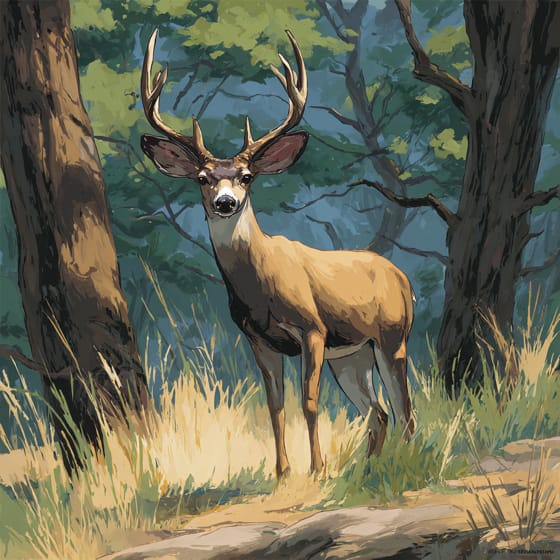
Odocoileus hemionus
browses on its leaves and stems
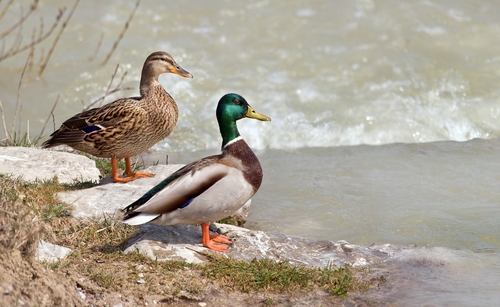
Anas platyrhynchos
forages for its seeds and plant material
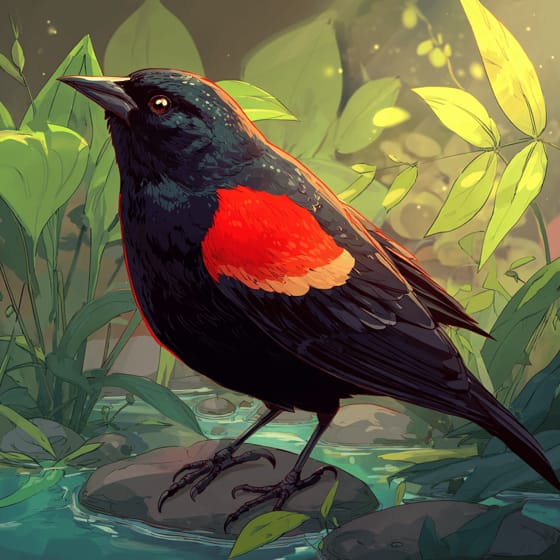
Agelaius phoeniceus
builds nests deep within its dense clumps
Flowering plants are any plants that produce flowers as part of their reproductive cycle.
Grass-like plants are herbaceous plants that visually resemble true grasses, typically having long, narrow leaves.
Medicinal plants possess chemical compounds that can be used for therapeutic purposes to treat illnesses or maintain health.
Describes plants that are particularly attractive and beneficial to a wide range of pollinating organisms.

Rapid growing plants exhibit accelerated growth rates, quickly increasing in size and biomass within a short period.

This habitat trait identifies species found in wetlands, which are areas of land saturated with water, either permanently or seasonally, including marshes, swamps, and bogs.

Describes a species whose presence and role have a disproportionately large effect on its environment.
No aliases listed yet.
Danger
1/5 · Very low
Always stay on paths when exploring wetlands and don't touch unknown plants.
The easiest way to identify slough sedge is to use the Snappit nature identifier app.
60-150 cm
30-60 cm
1-5 cm
Spring to early Summer
No
None
Perennial
Zoom in to split clusters and explore where this object has been snapped.

Oregon, US
You might spot Pacific Trillium, Giant White Fawn Lily, and Candy Flower.
View guide →

Oregon, US
You might spot Great Egret, Great Blue Heron, and Bald Eagle.
View guide →
Oregon, US
You might spot Duck, Twinberry Honeysuckle, and Canada Goose.
View guide →
Take the discovery with you
Snap it with Snappit to identify it, learn what makes it special, and add the discovery to your collection.








.jpg&width=800)



_001.jpg&width=800)




