

Garberia
garberia heterophylla
Garberia (Garberia heterophylla) is a unique, evergreen shrub native exclusively to the sandy scrublands and pinelands of Florida. As a rare monotypic genus in the aster family (Asteraceae), it stands out as an ecological treasure of the southeastern United States. In the late autumn, when most other wildflowers have faded, Garberia bursts into a stunning display of fragrant, feathery pink-to-lavender blossoms, earning it the affection of native plant enthusiasts and pollinators alike. It is highly adapted to the harsh, nutrient-poor, and fire-prone environments of the Florida peninsula, making it a symbol of resilience.
Habitat: Found in dry, sandy soils of Florida's scrub, sandhills, and scrubby flatwoods.
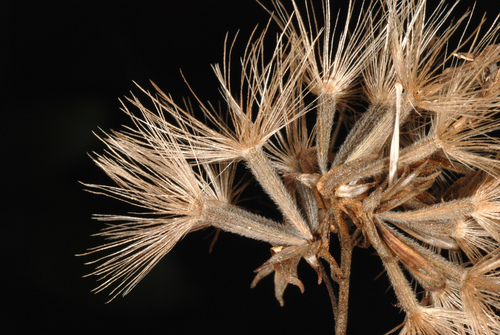
This woody, multi-stemmed shrub typically grows between 100 and 250 centimeters in height. It features alternate, leathery, dull gray-green leaves that are obovate or wedge-shaped and often sticky to the touch with a pleasant resinous aroma. Its most striking feature is the dense cluster of flat-topped flower heads, which lack ray petals and instead consist entirely of fuzzy, tube-like disk florets in shades of delicate rose-purple, pink, or lavender, topped with prominent protruding styles.
Category
PlantsRarity
Common
Danger
1/5 · Very low
Snaps
Be the first to snap!
Garberia is a monotypic genus, meaning Garberia heterophylla is the only species belonging to this entire genus.
Its flowers lack ray petals (the flat, petal-like structures seen in daisies), consisting entirely of fuzzy disk florets that give the blooms a paintbrush-like appearance.
The genus was named in honor of Abraham Paschal Garber, a 19th-century botanical collector who explored Florida's wilderness.
Adapted to fire-prone ecosystems, it can rapidly resprout from its woody root crown or germinate from seedbanks stimulated by fire.
Its thick, leathery, and resinous leaves reduce water loss, allowing it to thrive in arid, nutrient-deficient sandy soils.
Produces abundant, highly fragrant nectar-rich flowers in late autumn when other food sources are scarce for local insects.
As a photosynthetic plant, Garberia produces its own food using sunlight, carbon dioxide, and water, supplemented by nutrients absorbed from sandy, acidic soils.
Apis mellifera
Visits flowers for nectar, acting as a primary pollinator during autumn.

Gopherus polyphemus
Shares the sandhill habitat, where tortoise burrows aerate the soil and create optimal germination sites.

Phoebis sennae
Feeds on the nectar of Garberia flowers during its autumn migration.
No trait badges are assigned for this object yet.
No aliases listed yet.
Collections for this object will appear here as more themes are added.
Danger
1/5 · Very low
No special safety notes yet.
Start with the whole plant, then compare leaf arrangement, leaf edges, stems and any flowers or fruit. Opposite leaves grow in pairs; alternate leaves come one at a time along the stem. These details tell you far more together than a single green leaf does. Plant Identifier: upload a photo and compare the visible details.
100-250 cm
10-30 years
As a photosynthetic plant, Garberia produces its own food using sunlight, carbon dioxide, and water, supplemented by nutrients absorbed from sandy, acidic soils.
Found in dry, sandy soils of Florida's scrub, sandhills, and scrubby flatwoods.
Zoom in to split clusters and explore where this object has been snapped.
Recent snaps will appear here as new observations are added.
Take the discovery with you
Snap it with Snappit to identify it, learn what makes it special, and add the discovery to your collection.