_female_underside.jpg&width=800)





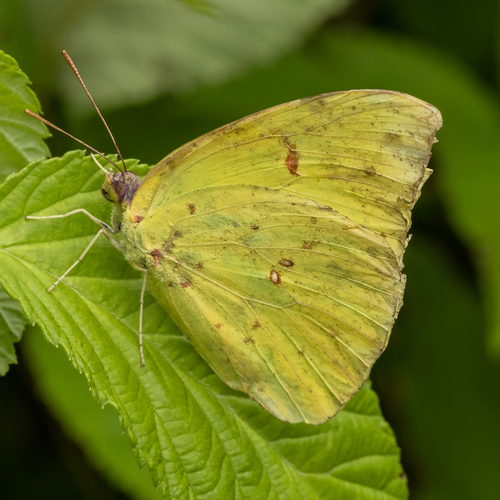
Cloudless Sulphur
Phoebis sennae
The Cloudless Sulphur is a bright yellow butterfly that flutters around gardens and fields. Its beautiful wings can be seen dancing in the sunlight, making it a cheerful sight for everyone!
Habitat: Urban areas
The Cloudless Sulphur is a medium-sized butterfly, usually bright lemon-yellow, especially the males. Females can be yellow or greenish-white, sometimes with a few faint dark spots or reddish trim on the wings. Its sleek body and triangular wings make it visually distinct.
Category
InsectsRarity
Common
Danger
1/5 · Very low
Snaps
7
Cloudless Sulphurs can be seen almost year-round in warm, sunny places.
The tiny caterpillars munch on plants from the pea family to grow big.
Their name comes from their bright, cloudless-sky yellow color!
These amazing butterflies can fly super high, sometimes even over treetops.
Cloudless Sulphur can travel thousands of miles because its strong wings and endurance help it migrate south for winter.
Cloudless Sulphur larvae have amazing camouflage because their green bodies help them blend perfectly with plant leaves, hiding from hungry birds.
Cloudless Sulphur has a quick, erratic flight that helps them dodge predators and find new nectar sources across open fields.
Adult Cloudless Sulphurs sip sweet flower nectar, while their caterpillars munch on leaves from special plants.
Age differences: Larvae eat plant leaves; adults drink nectar from various flowers.
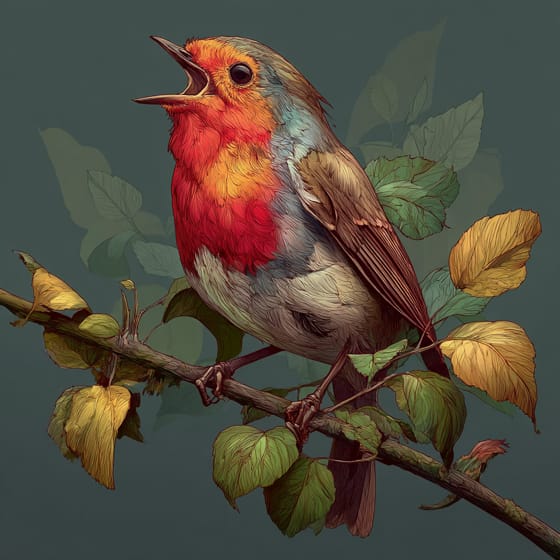
Turdus migratorius
Adult butterflies are preyed upon by insectivorous birds.
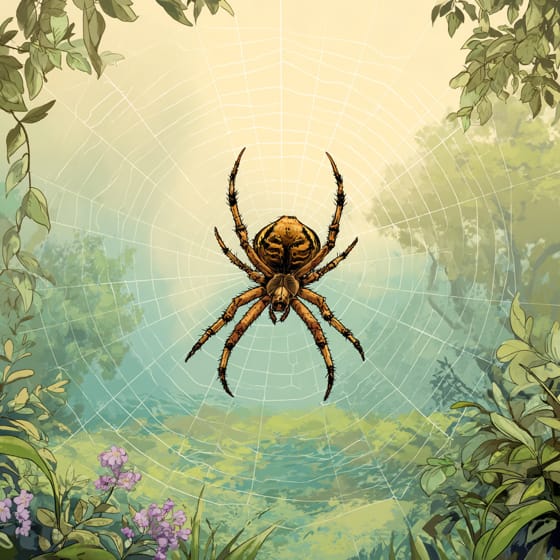
Argiope aurantia
Butterflies can become trapped in spider webs.
Senna obtusifolia
This plant is a primary food source for Cloudless Sulphur caterpillars.
.jpg&width=800)
Lantana camara
Adults visit flowers to drink nectar, helping to spread pollen.
Social animals live in organized groups, cooperating for survival benefits such as foraging, defense, and raising offspring.
Colorful describes organisms or objects displaying a wide range of bright and distinct colors.
This trait characterizes organisms whose diet consists entirely or primarily of plant material.
Describes plants that are particularly attractive and beneficial to a wide range of pollinating organisms.

Diurnal animals are primarily active during daylight hours, typically resting or sleeping at night.

This habitat trait indicates species that can coexist with humans in urban and suburban environments, utilizing man-made structures and green spaces.

Describes organisms that transfer pollen, enabling the fertilization and reproduction of plants.
Danger
1/5 · Very low
Always watch butterflies from a distance so they don't get scared.
The easiest way to identify Cloudless Sulphur is to use the Snappit nature identifier app.
55-70 mm
20-35 mm
7-21 days
20 km/h
Adult Cloudless Sulphurs sip sweet flower nectar, while their caterpillars munch on leaves from special plants.
Urban areas
Foraging
Zoom in to split clusters and explore where this object has been snapped.
Jun 20, 2026
Fairlie-PoplarPhoto attribution
(c) Dan Vickers, some rights reserved (CC BY)
License: CC BY 4.0 ↗
Image may be shown cropped inside the card frame.

Georgia, US
You might spot Eastern Gray Squirrel, Domestic Cat, and American Robin.
View guide →

South Carolina, US
You might spot Northern Cardinal, Chipping Sparrow, and House Finch.
View guide →

Virginia, US
You might spot White-Tailed Deer and Spotted Salamander.
View guide →

Alabama, US
You might spot Red Buckeye, Gray Ratsnake, and Sycamore Tussock Moth.
View guide →
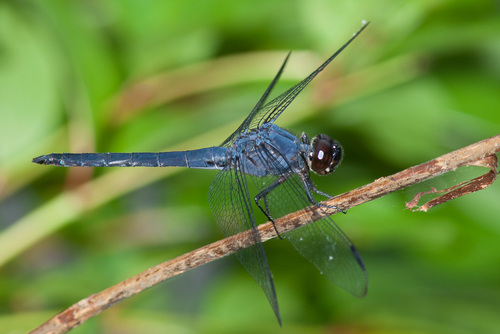
Arkansas, US
You might spot Slaty Skimmer and Common Eastern Bumble Bee.
View guide →

Alabama, US
You might spot Anole, American Toad, and Virginia Creeper.
View guide →
Take the discovery with you
Snap it with Snappit to identify it, learn what makes it special, and add the discovery to your collection.







.jpg&width=800)



