





White Tailed Deer
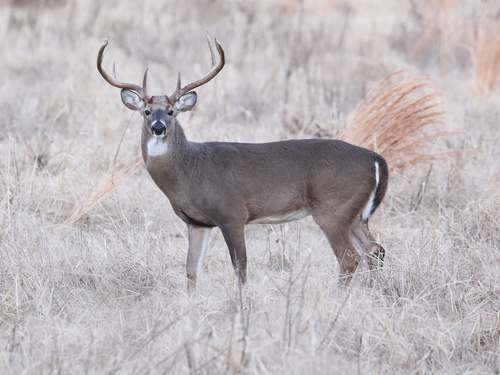
Rock Springs Run State Reserve offers an authentic Florida wilderness experience.
Rock Springs Run State Reserve offers an authentic Florida wilderness experience. This expansive 14,000-acre preserve, located north of Orlando, protects a significant portion of the Wekiva River Basin, a federally designated Wild and Scenic River. Visitors can immerse themselves in diverse ecosystems, from ancient sand pine scrub and towering longleaf pine flatwoods to serene oak hammocks and wetland swamps, all while seeking out some of Florida's most iconic and elusive wildlife.
The reserve is a critical habitat corridor for the Florida black bear, offering a rare chance to spot these magnificent animals or at least their tracks. It is also one of the best places to observe the Florida scrub-jay, an endemic and endangered bird species that thrives in the unique scrub habitat found here. Other notable residents include the gopher tortoise, eastern indigo snake, sandhill cranes, and Sherman's fox squirrel. The pristine Rock Springs Run and Wekiva River provide picturesque backdrops for exploration, winding through the landscape and offering glimpses of river otters and various turtle species.
Visiting Rock Springs Run State Reserve is an opportunity to connect with wild Florida, offering a peaceful escape from urban life. Whether you're hiking, biking, or horseback riding on its extensive multi-use trails, the reserve promises rich biodiversity and stunning natural beauty. Its commitment to preserving natural ecosystems and wildlife makes it a vital and memorable destination for nature enthusiasts and conservationists alike. Wondering what that bird or insect is? Find out on your visit using the Snappit nature app.
Rock Springs Run State Reserve's land was acquired in stages, with the first purchase made in March 1983. Further acquisitions in 1991 and 1995 expanded the reserve to its current vast size, primarily for the purposes of habitat preservation, watershed protection, and providing recreational opportunities in Central Florida. The Wekiva River Basin, which includes Rock Springs Run, Wekiwa Springs Run, and the Wekiva River, holds the distinction of being Florida's first Congressionally designated Wild and Scenic River. The reserve also holds historical significance, with ancient Indian mounds, known as kitchen middens, scattered along the waterways, evidence of Native American habitation that predates Spanish arrival in 1513. These mounds offer a tangible link to thousands of years of human presence in the area and are protected for future archaeological study.
Hiking: Explore over 14 miles of trails winding through varied habitats.
* **Bicycling: ** Enjoy 15 miles of multi-use trails, shared with equestrians and hikers.
* **Horseback Riding: ** Utilize 17 miles of multi-use trails; guided rides and horse rentals are available, or bring your own (proof of negative Coggins test required).
* **Wildlife Viewing: ** Look for key species like Florida black bears, scrub-jays, sandhill cranes, gopher tortoises, and Eastern indigo snakes.
* **Paddling: ** While direct launch is not available *within* the reserve, paddlers can access Rock Springs Run and the Wekiva River from nearby liveries and Wekiwa Springs State Park. Primitive canoe-accessible campsites are available within the reserve.
Fall/Winter: Best for comfortable temperatures and birdwatching. Migratory songbirds are abundant.
Fall: Black bears may be more active, foraging for acorns.
October to January: Portions of the reserve may be closed on weekends for hunting (primarily hogs and turkey), so check the FWC website before visiting. Wear bright orange if hiking during hunting season.
Accessible restrooms and parking are available. However, many trails consist of sandy, rugged terrain, so visitors should plan accordingly.
Follow trails through sand pine scrub to seek out this unique and vibrant bird.
Keep an eye out for tracks and other signs of bears, particularly in fall when they feed on acorns.
Explore sections of the run for scenic views and potential sightings of river otters and various turtle species.
Discover historical shell middens, remnants of early Native American communities.
Each card links to a full Explore page with photos, traits, and fun facts.
Start with the big picture, then zoom in to explore individual wildlife observations around this place.
Hydrate and Protect
** Bring plenty of water, especially during warmer months, and use sunscreen and insect repellent as many trails have limited shade.
Stay on Trails
Adhere to marked trails to protect sensitive habitats and for your safety.
Wildlife Awareness
Be mindful of wildlife; while exciting to see, maintain a respectful distance from all animals, especially Florida black bears.
Map and Navigation
Consider bringing a map, GPS, or compass, as some multi-use trails can be extensive and sandy, making them occasionally tough to follow.
Check Hunting Dates
If visiting between October and January, check the Florida Fish and Wildlife Conservation Commission (FWC) website for hunting season dates, as some areas may be closed, and wearing bright orange is recommended.
Footwear
Wear appropriate footwear for sandy and potentially uneven terrain.

Maryland, US
You might spot White-Tailed Deer and Eastern Gray Squirrel.
View guide →
.jpg)
District of Columbia, US
You might spot Eastern Gray Squirrel, Duck, and House Sparrow.
View guide →

Illinois, US
You might spot American Robin, Canada Goose, and House Sparrow.
View guide →

Virginia, US
You might spot Spotted Lanternfly and Northern Cardinal.
View guide →
Take the discovery with you
Identify the wildlife you spot, learn as you go, and keep a collection of the adventure.















.jpg&width=800)





