





Garland Daisy
Glebionis coronaria
The Garland Daisy is a bright and cheerful flower that loves to grow in sunny places. Its pretty yellow petals can make any garden look happy and colorful!
Habitat: Urban areas
The Garland Daisy has bright, cheerful daisy-like flowers, typically with yellow centers and petals that can be solid yellow, white, or a striking combination of both. Its feathery, deeply lobed leaves are a vibrant green, giving the plant a delicate, fern-like appearance that makes it visually distinct.
Category
PlantsRarity
Common
Danger
1/5 · Very low
Snaps
3
Garland Daisies can produce thousands of tiny seeds, helping new plants sprout up quickly everywhere!
Its scientific name 'coronaria' means 'for crowns,' because ancient people used it in decorative wreaths!
Many people eat Garland Daisy leaves and flowers like a tasty vegetable, especially in East Asia!
These flowers are heliotropic, meaning their heads slowly turn to follow the sun across the sky each day!
The Garland Daisy's flowers can slowly turn to follow the sun's path, an adaptation called heliotropism, helping it maximize sunlight for growth.
Garland Daisy can grow rapidly from seed to flower in just a few weeks, helping it quickly complete its life cycle in favorable conditions.
Garland Daisy can tolerate poor soils and even helps improve them by bringing nutrients closer to the surface for other plants.
Apis mellifera
Gathers nectar and pollen.
Vanessa cardui
Feeds on nectar, aiding pollination.

Homo sapiens
Consumed as a leafy vegetable.
Flowering plants are any plants that produce flowers as part of their reproductive cycle.
Summer blooming plants produce their flowers during the summer season, often providing vibrant color when many other plants have finished.
Fragrant flowers emit a pleasant aroma, often to attract pollinators or for defense.
Colorful describes organisms or objects displaying a wide range of bright and distinct colors.

Edible plants are those parts of a plant that are considered safe for human consumption.

Describes plants that are particularly attractive and beneficial to a wide range of pollinating organisms.

This habitat trait indicates species that can coexist with humans in urban and suburban environments, utilizing man-made structures and green spaces.
No aliases listed yet.
Danger
1/5 · Very low
Always check with an adult before picking flowers, and remember to enjoy them in nature!
The easiest way to identify Garland Daisy is to use the Snappit nature identifier app.
30-80 cm
20-40 cm
3-6 cm
Spring to late summer
Yes
None
Annual
Zoom in to split clusters and explore where this object has been snapped.

California, US
You might spot Sunburst Anemone, Western Gull, and Giant Coreopsis.
View guide →

California, US
You might spot Western Gull, Black-Crowned Night Heron, and Duck.
View guide →

California, US
You might spot Western Gull, Snowy Egret, and Great Blue Heron.
View guide →

California, US
You might spot Western Gull, Snowy Egret, and Great Blue Heron.
View guide →
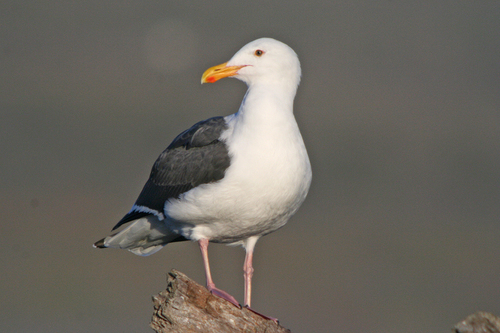
California, US
You might spot Western Gull, Snowy Egret, and Black Skimmer.
View guide →
Take the discovery with you
Snap it with Snappit to identify it, learn what makes it special, and add the discovery to your collection.








.jpg&width=800)


_001.jpg&width=800)



