Great Blue Heron
Mission Bay Park, nestled in the heart of San Diego, California, is a vibrant aquatic playground and coastal haven that offers an unparalleled blend of sandy beaches, picturesque waterways, and diverse wildlife.
Mission Bay Park, nestled in the heart of San Diego, California, is a vibrant aquatic playground and coastal haven that offers an unparalleled blend of sandy beaches, picturesque waterways, and diverse wildlife. As the largest aquatic park of its kind in the country, spanning over 4,235 acres of land and water, it beckons nature photographers, families, and outdoor enthusiasts alike. This expansive park, with its 27 miles of shoreline, 19 of which are sandy beaches, provides a dynamic environment where the sparkling bay meets lush green spaces, creating an idyllic escape.
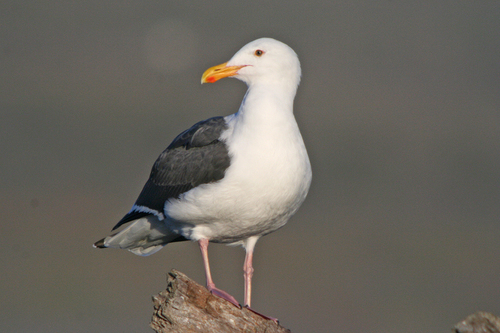
The park is a mosaic of habitats, ranging from tranquil wetlands and salt marshes to open bay waters, supporting a rich variety of flora and fauna. Birdwatchers will delight in spotting species like the majestic Great Blue Heron, elegant Snowy Egret, and various gulls such as the Western Gull and California Gull. The bay's calm waters are also a sanctuary for marine life, with frequent sightings of California Sea Lions lounging on buoys and in the water. For those exploring on land, common sightings include the California Ground Squirrel and the Western Fence Lizard, adding to the park's natural charm.
Mission Bay Park truly offers something for everyone, making it a memorable destination. Whether you're gliding across the water on a paddleboard, cycling along its nearly 14 miles of paved paths, or simply enjoying a picnic with family, the park provides endless opportunities for recreation and relaxation. Its commitment to preserving natural habitats while offering extensive recreational facilities makes it a unique and cherished gem in San Diego, promising a rejuvenating experience filled with natural beauty and engaging activities. Explore the grounds like a pro—download the Snappit app to instantly identify animals and plants.
Mission Bay, originally known as "False Bay" by explorer Juan Rodriguez Cabrillo in 1542, was once a vast tidal marsh and wetland. For centuries, the San Diego River intermittently flowed into either False Bay or San Diego Bay, causing concerns about silting up the main harbor. Efforts to control the river's course, including the construction of a dike in 1852, eventually led to the river being permanently diverted away from Mission Bay by 1877, setting the stage for its future development. The transformation into the recreational hub seen today began in the 1940s, primarily after a 1944 Chamber of Commerce recommendation to develop the marsh into a tourist and recreational center. Massive dredging and filling operations, involving the movement of 25 million cubic yards of sand and silt, reshaped the natural marshland into the largely man-made aquatic park we know today. This extensive project, which continued through the 1950s and 1960s, created the numerous islands, channels, and beaches that characterize Mission Bay Park, officially making it the largest aquatic park in the United States.
Rent a boat, kayak, or paddleboard to explore the bay's waterways.
Cycle or walk along the bay's extensive path system.
Enjoy a picnic or barbecue at one of the many grassy areas.
Visit Fiesta Island for dog walking, bonfires (in designated rings), or watching events.
Observe local wildlife, including various bird species like the Western Gull and Brant, and marine mammals such as California Sea Lions.
Relax on one of the 19 sandy beaches.
Spring/Fall: Mild temperatures, less crowded, excellent for outdoor activities and bird migration.
Summer: Warmest temperatures, ideal for swimming and water sports, but expect larger crowds. Lifeguard supervision is most consistent during summer.
Winter: Cooler temperatures, fewer crowds. Limited lifeguard supervision between November and spring break. The California Least Tern migrates to nest from April to September, and some areas may be closed during this time to protect nesting sites.
Many areas of Mission Bay Park are designed to be accessible. The newly opened all-inclusive playground features wide pathways, ramps, and wheelchair-accessible equipment. Resorts in the area, such as San Diego Mission Bay Resort, offer ADA compliant facilities including accessible entrances, ramps to pools and marinas, accessible restrooms, and designated accessible guest rooms.
Kayaking, paddleboarding, jet skiing, sailing, and swimming are popular activities.
Known for its off-leash dog park, youth group camping, and various events. It's also a habitat for diverse bird and plant species.
Nearly 14 miles of paved paths for cycling, running, and walking around the bay.
Designated areas, especially near Crown Point and wetlands, offer opportunities to spot species like Snowy Egret, Black Skimmer, and Marbled Godwit.
Each card links to a full Explore page with photos, traits, and fun facts.
Start with the big picture, then zoom in to explore individual wildlife observations around this place.
Arrive Early for Parking
Especially during summer and on weekends, parking lots can fill up quickly. Arriving early ensures a better spot.
Bring Sun Protection
San Diego enjoys abundant sunshine year-round, so pack sunscreen, hats, and sunglasses.
Rent Equipment On-Site
Many locations around the bay offer rentals for kayaks, paddleboards, bikes, and more, making it easy to try different activities.
Explore Fiesta Island
This multi-purpose island is great for dog walking (off-leash in designated areas), bonfires (in permitted rings), and offers a more rugged experience.
Utilize the Visitor Information Center
Start your exploration at the Mission Bay Visitors Information Center on the East end of the park for maps and up-to-date information.
Stay Hydrated
With all the outdoor activities, it's important to drink plenty of water, especially during warmer months.
Jan 29, 2026
Jan 29, 2026
Jan 29, 2026
Jan 29, 2026
Jan 29, 2026

Maryland, US
You might spot White-Tailed Deer and Eastern Gray Squirrel.
View guide →
.jpg)
District of Columbia, US
You might spot Eastern Gray Squirrel, Duck, and House Sparrow.
View guide →

Illinois, US
You might spot American Robin, Canada Goose, and House Sparrow.
View guide →

Virginia, US
You might spot Spotted Lanternfly and Northern Cardinal.
View guide →
Take the discovery with you
Identify the wildlife you spot, learn as you go, and keep a collection of the adventure.