Gastropods
gastropoda
Gastropods are fascinating creatures that glide on a slimy trail they produce. They come in many shapes and sizes, and some even have beautiful shells!
Habitat: Gastropods can be found in various habitats, including gardens, forests, and oceans.
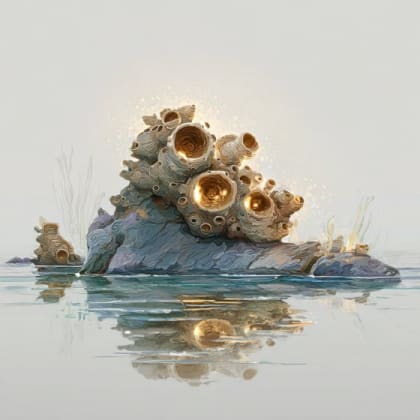
The Gastropods has a soft, often coiled body, usually protected by a hard, spiral shell. They glide on a muscular foot, extending two pairs of sensory tentacles from their head. Shells can display vibrant patterns of browns, greens, yellows, or pearlescent hues, making them visually distinct from bivalves.
Category
InvertebrateRarity
Common
Danger
1/5 · Very low
Snaps
Be the first to snap!
Many snails are hermaphrodites, meaning they are both male and female at the same time.
Some sea slugs can steal stinging cells from jellyfish and use them for their own defense!
The colorful sea slugs, nudibranchs, are often called "sea butterflies" underwater.
There's a snail that hunts fish using a harpoon-like venomous tooth.
Gastropods can slide on a trail of mucus because it reduces friction, helping them move smoothly across any surface.
Gastropods have a ribbon-like tongue called a radula that helps them scrape food particles off various surfaces.
Gastropods possess a hard, often spiral shell that helps them hide from danger and survive dry conditions.
Gastropods are diverse eaters, grazing on plants, algae, or even hunting other small creatures.
Turdus merula
Birds often eat land snails and slugs.
Rana temporaria
Frogs consume various small gastropods.
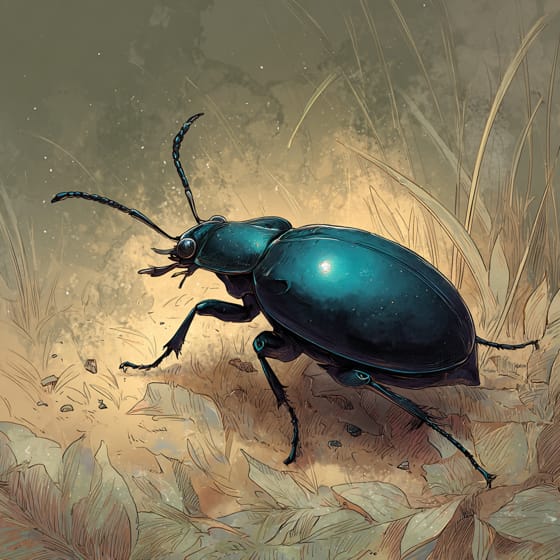
Carabus nemoralis
Some beetles prey on snails.

Ulmus minor
Many land snails graze on tree leaves.
Laminaria digitata
Marine snails often graze on seaweed.
Solitary animals live alone for most of their lives, only interacting with others for mating or parental care.
This trait characterizes organisms whose diet consists entirely or primarily of plant material.
Describes organisms that break down dead organic material, recycling nutrients back into the ecosystem.
Aquatic habitats encompass environments where organisms live predominantly in water, including oceans, rivers, lakes, and wetlands.

Marine habitats encompass all saltwater environments of the Earth's oceans, supporting an immense diversity of aquatic life.
Danger
1/5 · Very low
Always wash your hands after touching snails or slugs.
The easiest way to identify Gastropods is to use the Snappit nature identifier app.
1-15 years (species dependent)
Gastropods are diverse eaters, grazing on plants, algae, or even hunting other small creatures.
Gastropods can be found in various habitats, including gardens, forests, and oceans.
Grazing
Over 80,000
0.1 cm - 90 cm
Zoom in to split clusters and explore where this object has been snapped.
Recent snaps will appear here as new observations are added.
Take the discovery with you
Snap it with Snappit to identify it, learn what makes it special, and add the discovery to your collection.