





Geraniums And Storksbills
pelargonium
Geraniums are bright and colorful flowers that can make any garden look cheerful! They have unique leaves and come in many different shapes and sizes.
Habitat: Geraniums typically grow in gardens, meadows, and along roadsides.
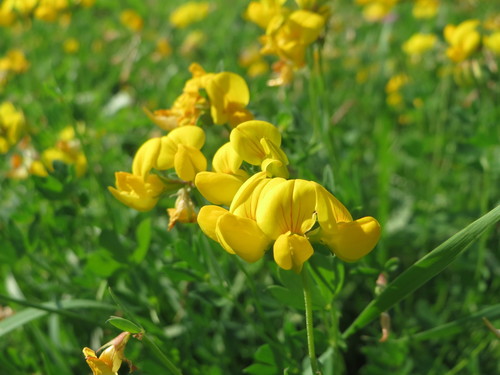
The Geraniums And Storksbills has often five-petaled flowers, typically in shades of pink, red, white, or purple, sometimes with darker veins or spots. Its leaves are usually lobed or palmate, often hairy, and it is visually distinct by its unique seed pod that resembles a long bird's beak.
Category
PlantsRarity
Common
Danger
0/5 · No known danger
Snaps
Be the first to snap!
Certain varieties of Geranium are used to make essential oils for perfumes and aromatherapy!
Its tiny seeds have springy 'tails' that twist and burrow themselves into the ground!
Some Geranium species can release a strong, minty scent just by brushing their leaves!
The name 'Geranium' comes from the Greek word for 'crane,' referring to its beak-like seed pods!
Geraniums And Storksbills has leaves that release strong, often citrusy or minty scents to deter hungry insects.
Geraniums And Storksbills can launch its seeds with a clever coiling and uncoiling mechanism from its 'storksbill' fruit.
Geraniums And Storksbills has evolved to be quite tolerant of dry conditions, allowing it to survive in arid places.
Apis mellifera
Gathers nectar and pollen from flowers
Bombus terrestris
Collects pollen and nectar
Helicoverpa armigera
Larvae feed on leaves and flowers
Spodoptera litura
Caterpillars feed on plant foliage
Colorful describes organisms or objects displaying a wide range of bright and distinct colors.
This trait characterizes organisms whose diet consists entirely or primarily of plant material.
Forest habitats are terrestrial environments dominated by dense tree cover, supporting a high diversity of plant and animal life.
This habitat trait indicates species that can coexist with humans in urban and suburban environments, utilizing man-made structures and green spaces.

Describes organisms that transfer pollen, enabling the fertilization and reproduction of plants.
Danger
0/5 · No known danger
No special safety notes yet.
The easiest way to identify Geraniums And Storksbills is to use the Snappit nature identifier app.
15-90 cm
20-60 cm
1-5 cm
Spring_to_fall
No
Mild
Perennial
Zoom in to split clusters and explore where this object has been snapped.
Recent snaps will appear here as new observations are added.
Take the discovery with you
Snap it with Snappit to identify it, learn what makes it special, and add the discovery to your collection.








.jpg&width=800)



_001.jpg&width=800)




