





Ghatixalus variabilis
Ghatixalus variabilis
The Ghatixalus variabilis, also known as the variable tree frog, is a colorful little frog that loves to climb trees. It can change its color to blend in with its surroundings, making it a clever little creature!
Habitat: Forests
The Ghatixalus variabilis is a small arboreal frog, typically greenish-brown with darker patterns, though colors can vary to yellow or reddish. Its granular skin often features small tubercles, helping it blend seamlessly with mossy forest environments.
Category
AmphibiansRarity
Common
Danger
1/5 · Very low
Snaps
Be the first to snap!
It hunts insects and spiders, waiting patiently for prey to hop or fly by.
Its tadpoles grow up in tiny pools of water found high inside plants or tree holes.
The males make loud calls at night to attract females, filling the forest with sound.
This frog belongs to a family famous for building foamy nests for their eggs!
Ghatixalus variabilis can climb trees with ease because of special sticky toe pads that help them grip smooth surfaces firmly.
Ghatixalus variabilis lays its eggs in a protective foam nest within water-filled tree holes, helping keep them safe.
Ghatixalus variabilis has variable coloration that helps them blend perfectly with moss, bark, or leaves, making them very hard to spot.
This frog enjoys a diet of small insects and spiders, making it an important pest controller.
Age differences: Tadpoles are detritivores, eating decaying plant matter, while adults are carnivores.
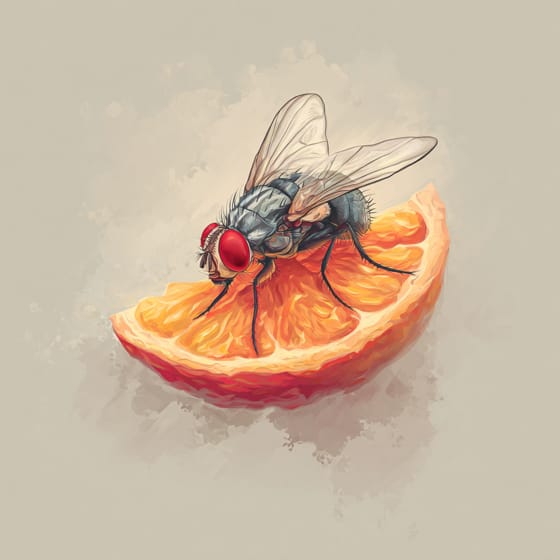
Drosophila melanogaster
A common tiny insect prey
Dendrelaphis tristis
An arboreal snake predator
Glaucidium radiatum
A small nocturnal bird of prey
Social animals live in organized groups, cooperating for survival benefits such as foraging, defense, and raising offspring.
Singing animals produce complex vocalizations, often for purposes of attracting mates, defending territory, or communicating within their species.
Arboreal animals live primarily in trees, utilizing them for shelter, food, and protection from predators.
Camouflaged describes organisms that possess coloring or patterns that allow them to blend into their environment.

Colorful describes organisms or objects displaying a wide range of bright and distinct colors.

This trait identifies organisms whose diet primarily consists of insects and other small invertebrates.

Forest habitats are terrestrial environments dominated by dense tree cover, supporting a high diversity of plant and animal life.

Nocturnal animals are primarily active during the nighttime hours, typically resting or sleeping during the day.
No aliases listed yet.
Danger
1/5 · Very low
Always watch frogs from a distance and don't touch them, as they can be sensitive.
The easiest way to identify Ghatixalus variabilis is to use the Snappit nature identifier app.
2.8-5 cm
0.001-0.01 kg
5-8 years
This frog enjoys a diet of small insects and spiders, making it an important pest controller.
Forests
Ambush
100-300
Zoom in to split clusters and explore where this object has been snapped.
Recent snaps will appear here as new observations are added.
Take the discovery with you
Snap it with Snappit to identify it, learn what makes it special, and add the discovery to your collection.






.JPG&width=800)


.jpg&width=800)

