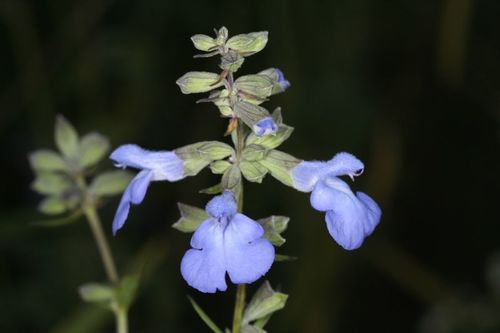


Giant Blue Sage
salvia azurea
The Giant Blue Sage, scientifically known as Salvia azurea, is a striking perennial herb cherished for its breathtaking spikes of true blue flowers. Native to the central and southeastern United States, this plant is a beacon for pollinators, attracting an array of bees, butterflies, and hummingbirds to its vibrant blossoms. Despite its delicate appearance, it is remarkably tough, thriving in dry, sunny conditions and serving as a vital component of native prairie and open woodland ecosystems. Its tall stature and late-season bloom make it a standout in any natural landscape, providing critical nectar resources when many other plants have faded.
Habitat: Found in prairies, savannas, open woodlands, dry fields, and along roadsides, preferring full sun and well-drained soils.
Giant Blue Sage is characterized by its upright, somewhat woody stems that can reach heights of 60 to 150 centimeters. The leaves are typically lance-shaped to linear, green, and often slightly hairy, arranged oppositely along the stem. The most distinctive feature is its brilliant azure blue flowers, which emerge in dense, terminal spikes. Each individual flower is small, tubular, and two-lipped, creating a cloud of vibrant color from late summer through fall. The stems are typically square, a hallmark of the mint family.
Category
PlantsRarity
Common
Danger
1/5 · Very low
Snaps
2
Despite 'Giant' in its name, it refers to its impressive height compared to other Salvia species, rather than an overall robust bulk.
It is also known as Pitcher Sage, referring to the shape of its calyx.
Its late-season bloom provides critical nectar for migrating hummingbirds and late-flying pollinators preparing for winter.
The square stems are a key identifying feature, characteristic of many plants in the mint family (Lamiaceae), which includes other herbs like basil and rosemary.
The vibrant blue tubular flowers are perfectly adapted to attract a diverse range of pollinators, including long-tongued bees, butterflies, and hummingbirds, which are essential for its reproduction.
Once established, Salvia azurea is highly drought-tolerant, thanks to its deep root system and adaptation to dry, well-drained soil conditions prevalent in its native prairies and savannas.
This sage readily self-seeds in favorable conditions, allowing it to naturalize and spread, forming impressive drifts of blue and contributing to the regeneration of its habitat.
As a plant, Salvia azurea produces its own food through photosynthesis, converting sunlight, carbon dioxide, and water into sugars for energy and growth. It absorbs essential nutrients from the soil through its root system.

Archilochus colubris
Primary pollinator, attracted to its nectar-rich flowers.
Bombus spp.
Important pollinator, collecting nectar and pollen from the flowers.
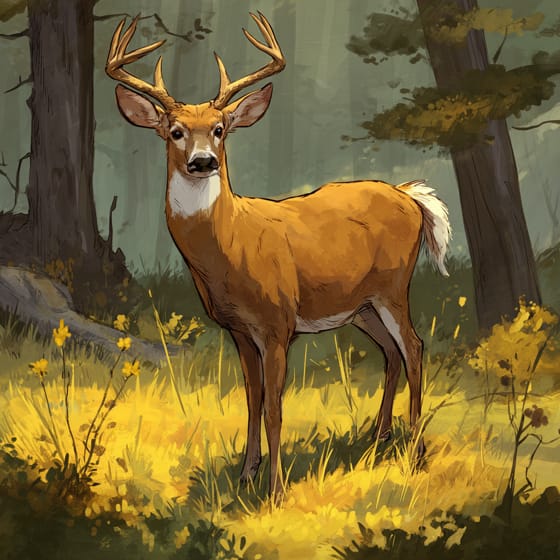
Odocoileus virginianus
Browses on foliage, especially young shoots.
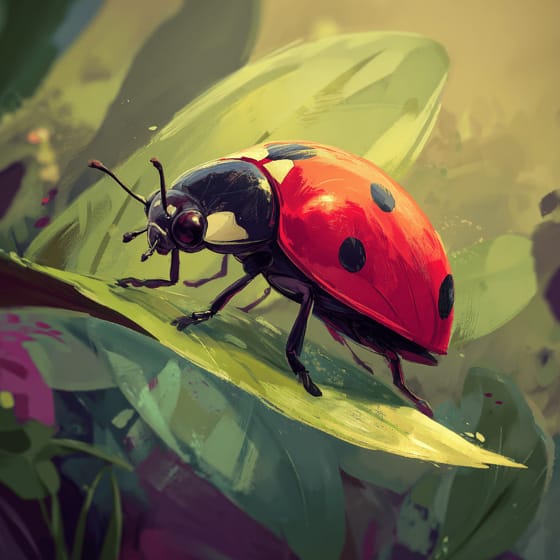
Coccinellidae spp.
Provides habitat and shelter for various small insects.
No trait badges are assigned for this object yet.
No aliases listed yet.
Collections for this object will appear here as more themes are added.
Danger
1/5 · Very low
No special safety notes yet.
The easiest way to identify Giant Blue Sage is to use the Snappit nature identifier app.
60-150 cm
0.5-2 kg
3-5 years
As a plant, Salvia azurea produces its own food through photosynthesis, converting sunlight, carbon dioxide, and water into sugars for energy and growth. It absorbs essential nutrients from the soil through its root system.
Found in prairies, savannas, open woodlands, dry fields, and along roadsides, preferring full sun and well-drained soils.
Photosynthesis
Zoom in to split clusters and explore where this object has been snapped.
Take the discovery with you
Snap it with Snappit to identify it, learn what makes it special, and add the discovery to your collection.













.jpg&width=800)



_001.jpg&width=800)




