





Giant Mayflies
Hexagenia
Giant Mayflies are fascinating insects that spend most of their lives underwater as nymphs. When they grow up, they come out of the water, fly around for a short time, and then lay eggs to start the cycle again!
Habitat: Wetlands
The Giant Mayflies has a soft, robust body, typically yellowish-brown to reddish-brown, often larger than other mayflies. They feature two or three long, delicate tails and large, clear, triangular wings with prominent veins, sometimes with an amber tint.
Category
InsectsRarity
Common
Danger
1/5 · Very low
Snaps
Be the first to snap!
A swarm of these mayflies can be so dense it shows up on weather radar!
Adult Giant Mayflies have no stomach or digestive system at all!
Mayflies are among the most ancient groups of winged insects on Earth!
Their presence indicates very clean, healthy freshwater environments!
Giant Mayflies can live underwater for up to two years as nymphs, breathing through feathery gills that help them absorb oxygen from the water.
Giant Mayflies has a unique 'subimago' stage, allowing them to molt one last time after developing wings, helping them become fully mature adults.
Giant Mayflies can emerge in massive numbers almost simultaneously, creating huge swarms that help them find mates quickly and overwhelm predators.
Giant Mayflies has non-functional mouthparts as adults, meaning they don't eat at all, which helps them focus entirely on reproduction.
Young mayflies filter tiny food particles from water, while adults do not eat at all!
Age differences: Larvae feed on detritus and algae, but adults have vestigial mouthparts and do not consume food, focusing solely on reproduction.
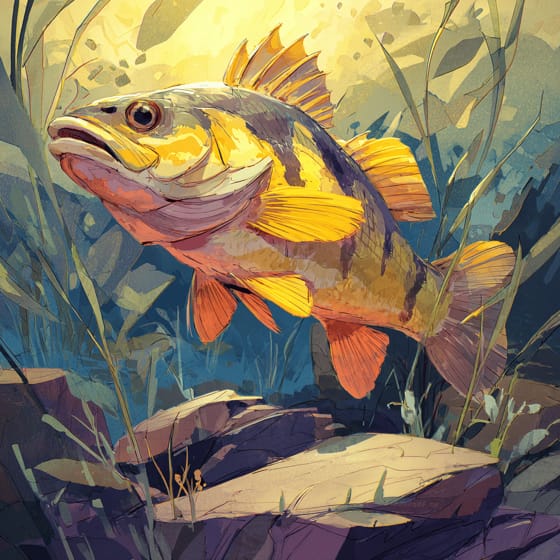
Perca flavescens
Both nymphs and adults are a key food source.
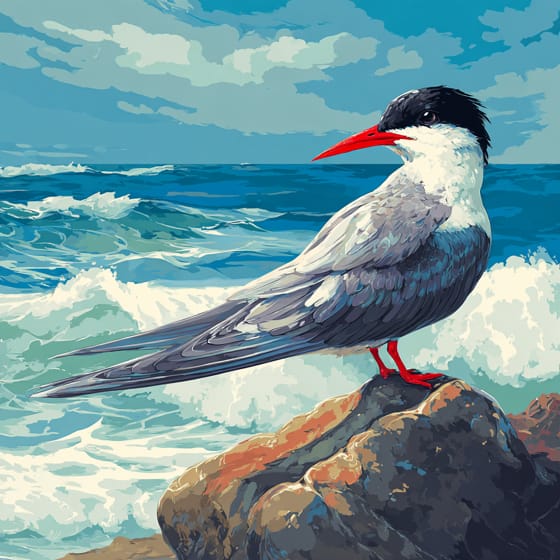
Sterna hirundo
Adult swarms provide an abundant aerial meal.
Chlorella vulgaris
Larvae filter these microscopic plants from water.
Solitary animals live alone for most of their lives, only interacting with others for mating or parental care.
Filter feeders obtain nutrients by straining suspended food particles and small organisms from water.
This trait characterizes organisms whose diet consists entirely or primarily of plant material.
This habitat trait identifies species found in wetlands, which are areas of land saturated with water, either permanently or seasonally, including marshes, swamps, and bogs.

Diurnal animals are primarily active during daylight hours, typically resting or sleeping at night.

Freshwater habitats include non-saline aquatic environments such as rivers, lakes, ponds, and wetlands, vital for numerous species.

Giant describes organisms or objects of significantly larger size than average for their species or type.

Describes organisms that transfer pollen, enabling the fertilization and reproduction of plants.
No aliases listed yet.
Danger
1/5 · Very low
Giant Mayflies are harmless, but it's best to watch them from a distance and not touch them.
The easiest way to identify Giant Mayflies is to use the Snappit nature identifier app.
40-70 mm
25-30 mm
1-730 days
5 km/h
Young mayflies filter tiny food particles from water, while adults do not eat at all!
Wetlands
Filter Feeding
Zoom in to split clusters and explore where this object has been snapped.
Recent snaps will appear here as new observations are added.
Take the discovery with you
Snap it with Snappit to identify it, learn what makes it special, and add the discovery to your collection.







.jpg&width=800)




