





Giant Reed
Arundo donax
Giant Reed is a tall grass that grows near water. Its sturdy stems can reach great heights and provide shelter for birds and insects.
Habitat: Wetlands
The Giant Reed is a towering grass with thick, bamboo-like stalks that can reach impressive heights. It has long, broad, blue-green leaves and develops large, feathery, purplish-silver flower plumes in late summer.
Category
PlantsRarity
Common
Danger
2/5 · Low
Snaps
5
Giant Reed is one of the fastest-growing terrestrial plants in the world!
Its hollow stems are sometimes used to make reeds for clarinets and saxophones!
Some people use dried Giant Reed stalks to build fences or simple shelters.
This plant can be harvested to create biomass, which is used to make energy!
Giant Reed can spread quickly using tough underground stems called rhizomes that help it colonize new areas.
Giant Reed has sturdy, hollow stalks that are strong and flexible, helping it stand tall even in windy conditions.
Giant Reed can draw up a lot of water from the soil, allowing it to thrive in damp places like riverbanks.
Tetramesa romana
Its larvae develop inside the plant's stems.
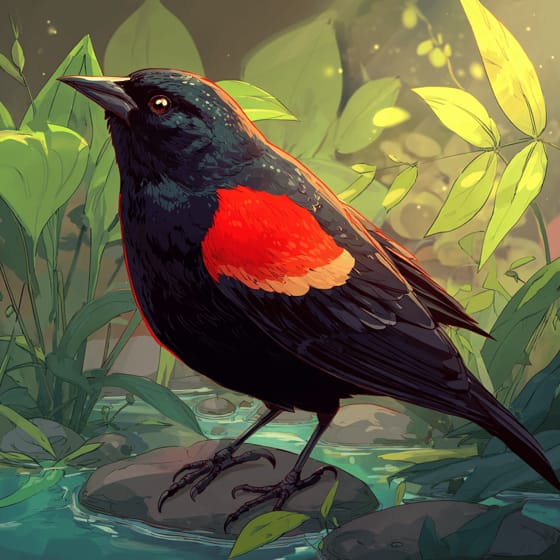
Agelaius phoeniceus
Often builds nests within dense reed stands.
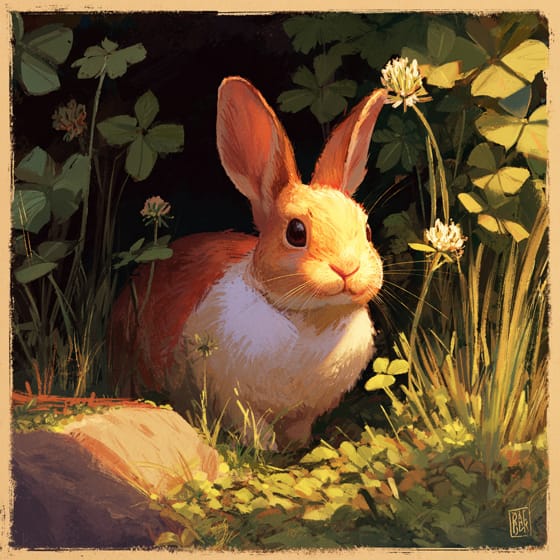
Oryctolagus cuniculus
Browses on the young shoots and leaves.
Grass-like plants are herbaceous plants that visually resemble true grasses, typically having long, narrow leaves.
Rapid growing plants exhibit accelerated growth rates, quickly increasing in size and biomass within a short period.
This habitat trait identifies species found in wetlands, which are areas of land saturated with water, either permanently or seasonally, including marshes, swamps, and bogs.
Invasive species are non-native organisms that cause harm to the environment, economy, or human health.
Danger
2/5 · Low
Enjoy looking at Giant Reed from a safe distance and avoid touching it without adult supervision.
The easiest way to identify Giant Reed is to use the Snappit nature identifier app.
200-1000 cm
100-200 cm
Late summer to fall
No
None
Perennial
Wind
Zoom in to split clusters and explore where this object has been snapped.

Texas, US
You might spot African Elephant, Reticulated Giraffe, and African Lion.
View guide →

California, US
You might spot Hollyleaf Cherry, Toyon, and Lemonade Berry.
View guide →

Oregon, US
You might spot Pacific Trillium, Pacific Banana Slug, and Dark-Eyed Junco.
View guide →

Alabama, US
You might spot Horned Passalus Beetle and American Sweetgum.
View guide →

US
You might spot Mexican Palo Verde, Ocotillo, and Giant Reed.
View guide →
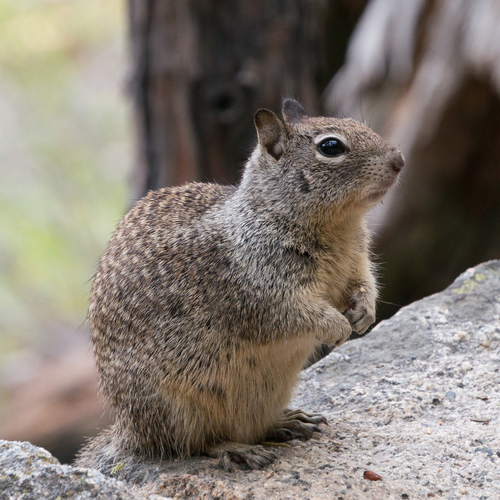
California, US
You might spot California Ground Squirrel and Coast Cholla.
View guide →
Take the discovery with you
Snap it with Snappit to identify it, learn what makes it special, and add the discovery to your collection.









.jpg&width=800)


_001.jpg&width=800)




