





Giant Water Bug
Belostomatidae
The Giant Water Bug is a big bug that lives in water! They are great swimmers and use their strong legs to move around.
Habitat: Freshwater ponds and rivers
The Giant Water Bug is a large, flattened insect with an oval body, typically brown or grayish-brown. It has powerful, raptorial forelegs for grasping prey and a short, retractable breathing tube at its rear.
Category
InsectsRarity
Common
Danger
2/5 · Low
Snaps
Be the first to snap!
If you try to pick one up, you might get a painful bite, earning them the nickname "toe-biter"!
Male Giant Water Bugs are amazing dads; they carry their babies (eggs) on their backs!
They can fly far distances between ponds at night, searching for new hunting grounds.
When threatened, these clever bugs sometimes play dead, lying motionless to fool predators.
Giant Water Bug can breathe air while underwater using a short tube, that helps them stay submerged for hunting.
Giant Water Bug has strong, pincer-like forelegs that help them ambush and firmly hold onto their prey.
Male Giant Water Bugs often carry their eggs on their back that helps protect them until they hatch.
An aquatic predator, it lurks to ambush and eat other insects, tadpoles, small fish, and frogs.
Rana catesbeiana
Prey on tadpoles and young frogs.
Gambusia affinis
Actively preys on small fish in ponds.
Anax junius
Ambushes the nymphs of this large dragonfly.
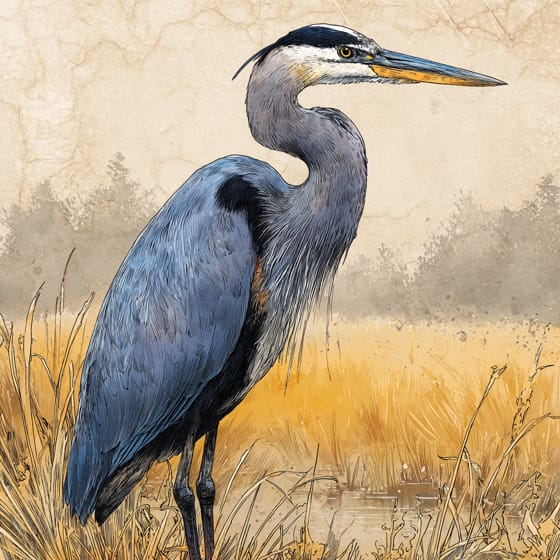
Ardea herodias
Hunted by large wading birds like herons.
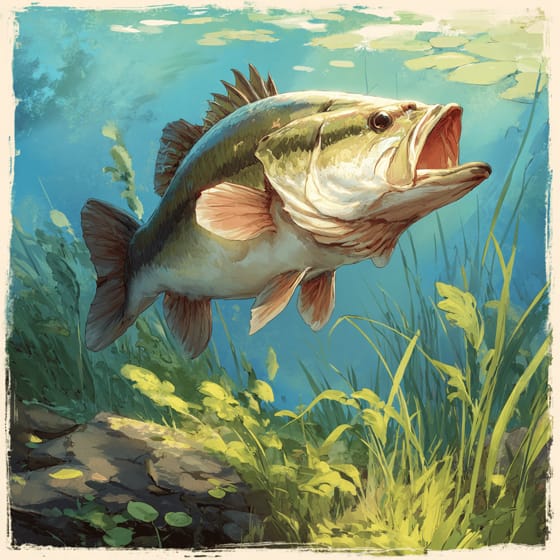
Micropterus salmoides
A food source for predatory fish.
Piscivorous organisms are animals that primarily subsist on a diet of fish.
An ambush predator hunts by patiently waiting and concealing itself, then launching a sudden attack when unsuspecting prey comes within range.
This trait signifies organisms belonging to a very old evolutionary group with ancestors dating back millions of years.
This trait identifies organisms whose diet consists entirely or primarily of animal tissue.

Freshwater habitats include non-saline aquatic environments such as rivers, lakes, ponds, and wetlands, vital for numerous species.
Regenerative organisms possess the ability to regrow lost or damaged body parts, tissues, or organs.

Aquatic habitats encompass environments where organisms live predominantly in water, including oceans, rivers, lakes, and wetlands.

Giant describes organisms or objects of significantly larger size than average for their species or type.

Nocturnal animals are primarily active during the nighttime hours, typically resting or sleeping during the day.

Venomous organisms produce toxins that are injected into another animal, typically through a bite or sting.
Danger
2/5 · Low
Do not touch or pick up. Some insects sting or bite. Ask an adult for help.
The easiest way to identify Giant Water Bug is to use the Snappit nature identifier app.
30-100 mm
90-365 days
An aquatic predator, it lurks to ambush and eat other insects, tadpoles, small fish, and frogs.
Freshwater ponds and rivers
Ambush
6
Zoom in to split clusters and explore where this object has been snapped.
Recent snaps will appear here as new observations are added.
Take the discovery with you
Snap it with Snappit to identify it, learn what makes it special, and add the discovery to your collection.









.jpg&width=800)




