_on_top_of_cactus.jpg&width=800)





Gilded Flicker
Colaptes chrysoides
The Gilded Flicker is a colorful woodpecker with a golden hue. They love to peck on trees and make funny sounds. You can often see them in open woodlands and grasslands.
Habitat: Grasslands
The Gilded Flicker is a medium-sized woodpecker with a brownish-barred back and a pale, spotted belly marked by a distinct black crescent on its chest. Its most striking feature is the bright yellow-orange flash visible in its wings and tail during flight.
Category
BirdsRarity
Common
Danger
1/5 · Very low
Snaps
1
Gilded Flickers eat thousands of ants and termites using their super long sticky tongue!
Males attract mates by "drumming" on hollow trees or even metal objects!
They often build their cozy nests inside giant saguaro cacti, making unique desert homes!
Unlike most woodpeckers, Gilded Flickers love to find tasty food foraging right on the ground.
Gilded Flicker can excavate sturdy nest cavities in tough saguaro cacti using its strong beak.
Gilded Flicker has an incredibly long, barbed, sticky tongue that helps them extract ants from deep crevices.
Gilded Flicker has zygodactyl feet and stiff tail feathers that help them cling vertically to tree trunks.
These birds mainly feast on insects, especially ants, found on the ground or in trees.

Carnegiea gigantea
Uses its excavated cavities for nesting and roosting.
Formica pallidefulva
Feeds primarily on this and other ant species found on the ground.
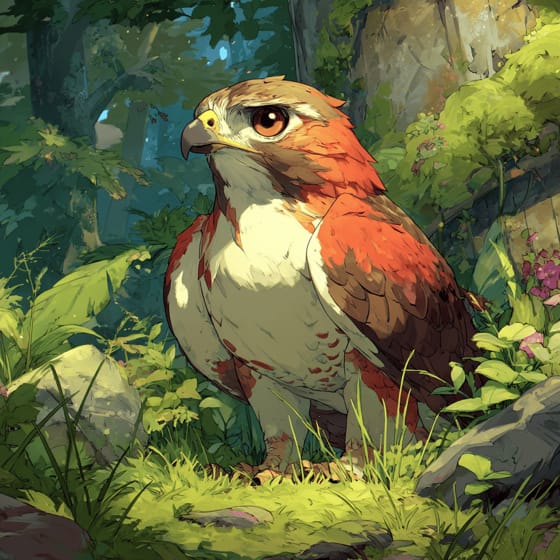
Buteo jamaicensis
Eggs, young, and adults are sometimes prey for this raptor.
Feathered describes animals, primarily birds, possessing a covering of feathers.
Social animals live in organized groups, cooperating for survival benefits such as foraging, defense, and raising offspring.
Arboreal animals live primarily in trees, utilizing them for shelter, food, and protection from predators.
Colorful describes organisms or objects displaying a wide range of bright and distinct colors.

Grassland habitats are terrestrial biomes dominated by grasses and herbaceous plants, supporting a variety of grazing animals.

This trait identifies organisms whose diet primarily consists of insects and other small invertebrates.

This trait describes organisms that manipulate external objects to achieve a specific goal.

Diurnal animals are primarily active during daylight hours, typically resting or sleeping at night.
No aliases listed yet.
Danger
1/5 · Very low
Enjoy watching birds from a distance, and don't try to touch or catch them.
The easiest way to identify Gilded Flicker is to use the Snappit nature identifier app.
28-31 cm
42-51 cm
0.1-0.15 kg
5-12 years
50 km/h
These birds mainly feast on insects, especially ants, found on the ground or in trees.
Grasslands
Zoom in to split clusters and explore where this object has been snapped.
Take the discovery with you
Snap it with Snappit to identify it, learn what makes it special, and add the discovery to your collection.





.jpg&width=800)








