





Glacier Lily
Erythronium grandiflorum
The Glacier Lily is a bright yellow flower that blooms in the spring. It grows in cool, mountainous areas and is a favorite for butterflies and bees!
Habitat: Mountain regions
The Glacier Lily has vibrant yellow, nodding flowers with gracefully recurved petals, often appearing in clusters. Its lance-shaped leaves are typically green, sometimes mottled with brownish-purple, making it stand out against the melting snow.
Category
PlantsRarity
Common
Danger
1/5 · Very low
Snaps
15
Each seed has a tasty treat for ants, convincing them to carry it far away!
Glacier Lily flowers actually tilt their heads to follow the sun's path all day long!
Its leaves and flowers burst forth so quickly, they can melt tunnels through fresh snow!
The underground bulb, sometimes called a "dogtooth," stores energy for years!
Glacier Lily can burst into bloom immediately after snowmelt, thanks to energy stored in its bulb, letting it grab sunlight before trees leaf out.
Glacier Lily has tiny fatty attachments on its seeds that ants love, prompting them to carry and disperse the seeds to new spots.
Glacier Lily's flowers track the sun across the sky during the day, maximizing warmth and pollination opportunities.
Bombus occidentalis
collects nectar and pollen
Formica fusca
eats elaiosomes, disperses seeds
Ursus americanus
digs up and consumes bulbs

Marmota flaviventris
grazes on leaves and bulbs
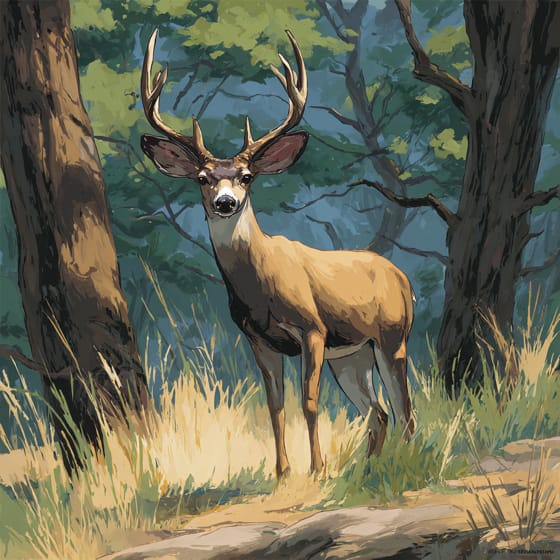
Odocoileus hemionus
browses on the plant's foliage
Bell-shaped flowers possess petals fused or arranged to form a cup-like or campanulate structure resembling a bell.
Spring blooming plants produce their flowers during the spring season, often signifying the end of winter and the start of new growth.
Cold hardy plants are able to withstand low temperatures and freezing conditions without significant damage.
Edible plants are those parts of a plant that are considered safe for human consumption.

Describes plants that are particularly attractive and beneficial to a wide range of pollinating organisms.

This habitat trait identifies species found in mountainous regions, characterized by high elevation, steep slopes, and varying climate zones.

Describes organisms that transfer pollen, enabling the fertilization and reproduction of plants.
No aliases listed yet.
Danger
1/5 · Very low
Always look but don't pick flowers in nature; they help the environment!
The easiest way to identify Glacier Lily is to use the Snappit nature identifier app.
15-40 cm
3-5 cm
Early spring to early summer
Yes
None
Perennial
Insect
Zoom in to split clusters and explore where this object has been snapped.

Montana, US
You might spot Bighorn Sheep and Mountain Goat.
View guide →

British Columbia, CA
You might spot White Pasqueflower and Columbian Ground Squirrel.
View guide →

British Columbia, CA
You might spot Western Rattlesnake Plantain and Shinyleaf Meadowsweet.
View guide →

Montana, US
You might spot Black Bear, Moose, and Lodgepole Pine.
View guide →

Montana, US
You might spot Columbian Ground Squirrel, Mule Deer, and Western Redcedar.
View guide →

Wyoming, US
You might spot Elk, American Bison, and American White Pelican.
View guide →
Take the discovery with you
Snap it with Snappit to identify it, learn what makes it special, and add the discovery to your collection.









.jpg&width=800)



_001.jpg&width=800)



