





Lesser Burdock
arctium minus
Lesser Burdock has large green leaves that can grow very big! It produces interesting burrs that can stick to your clothes and fur!
Habitat: Lesser Burdock typically grows in disturbed areas, along roadsides, and in fields.
The Lesser Burdock has very large, heart-shaped leaves with wavy edges and fuzzy undersides. Its small, purplish-pink, thistle-like flowers grow in clusters and mature into distinctive prickly burrs.
Category
PlantsRarity
Common
Danger
0/5 · No known danger
Snaps
2
It can grow taller than a child, sometimes reaching heights of up to 5 feet!
Its roots, stems, and young leaves are all edible and packed with nutrients!
The genius design of its burrs directly inspired the creation of Velcro, a sticky invention!
Traditional medicine has used Burdock root for centuries, believing it helps purify the body.
Lesser Burdock has hook-tipped burrs that attach to fur or clothing, helping it spread seeds far and wide.
Lesser Burdock can grow a long, sturdy taproot to reach deep water and nutrients, thriving in dry soils.
Lesser Burdock quickly grows large leaves, shading out other plants and dominating disturbed areas.
Apis mellifera
Bees visit its purple flowers for nectar and pollen.
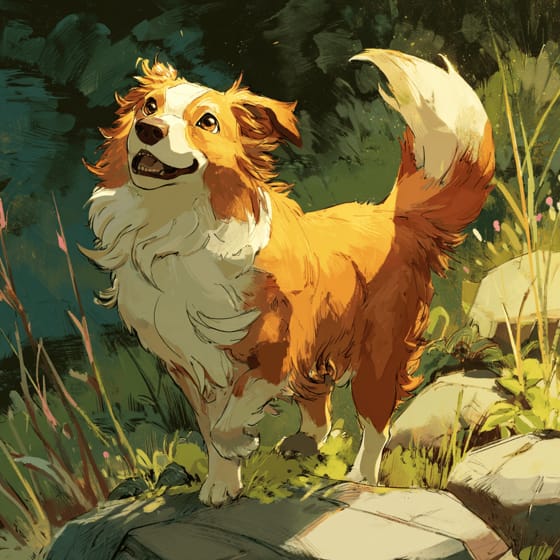
Canis familiaris
Its burrs cling to dog fur, getting carried to new places.
Cassida rubiginosa
This beetle's larvae feed on Burdock leaves.

Homo sapiens
Humans sometimes forage its roots and young leaves.
Social animals live in organized groups, cooperating for survival benefits such as foraging, defense, and raising offspring.
Colorful describes organisms or objects displaying a wide range of bright and distinct colors.
Grassland habitats are terrestrial biomes dominated by grasses and herbaceous plants, supporting a variety of grazing animals.
This trait characterizes organisms whose diet consists entirely or primarily of plant material.

Forest habitats are terrestrial environments dominated by dense tree cover, supporting a high diversity of plant and animal life.
Danger
0/5 · No known danger
No special safety notes yet.
The easiest way to identify Lesser Burdock is to use the Snappit nature identifier app.
30-150 cm
30-60 cm
1-2 cm
Summer to fall (July-October)
Yes
None
Biennial
Zoom in to split clusters and explore where this object has been snapped.

Wisconsin, US
You might spot Turkey, White-Tailed Deer, and Dame's Rocket.
View guide →

Wisconsin, US
You might spot American Cancer-Root and Eastern White Pine.
View guide →

Washington, US
You might spot Strawberry Tree, Duck, and American Beaver.
View guide →
Take the discovery with you
Snap it with Snappit to identify it, learn what makes it special, and add the discovery to your collection.








.jpg&width=800)



_001.jpg&width=800)




