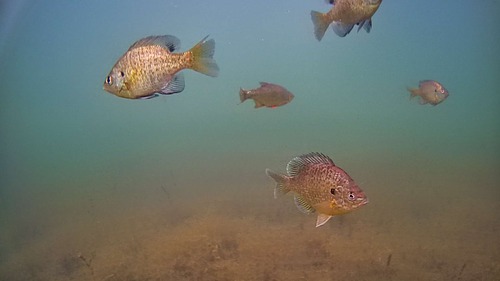
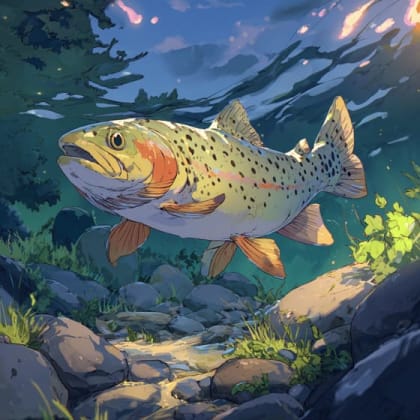
Golden Shiner
notemigonus crysoleucas
The Golden Shiner is a shiny little fish that loves to swim in schools! With its bright golden color, it sparkles like a treasure in the water!
Habitat: Freshwater lakes and rivers across North America.
The Golden Shiner has a sleek, compressed body with a small, pointed head. Its sides shimmer with a bright golden-silvery sheen, sometimes showing a faint darker stripe along its length. Large, reflective scales give it a metallic appearance.
Category
FishRarity
Common
Danger
0/5 · No known danger
Snaps
6
Golden Shiners are farmed as popular bait, helping anglers catch bigger fish!
Golden Shiners can survive in water with low oxygen, thriving where other fish cannot!
Their shiny, reflective scales act like tiny mirrors, making them hard for predators to spot!
These fish form massive schools with thousands, moving like a shimmering liquid cloud!
Golden Shiner has highly reflective, silvery scales that help them blend into bright surface waters, confusing predators.
Golden Shiner can gather in large groups because of their strong social instinct, which helps them confuse and deter predators.
Golden Shiner can leap out of the water quickly that helps them escape from fast-moving aquatic predators.
These omnivores eat tiny bugs, algae, and bits of plants they find floating or on the bottom.
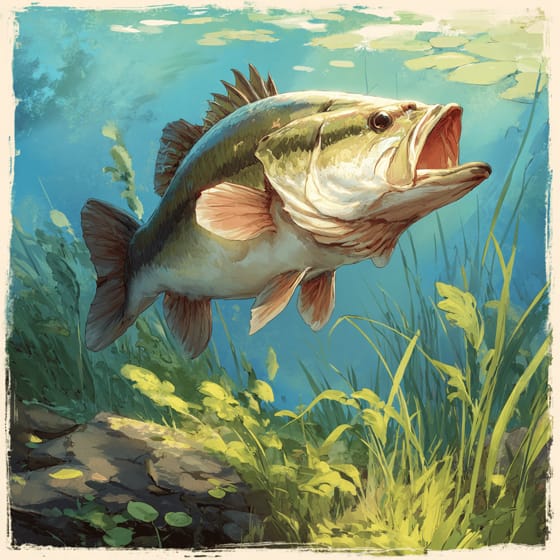
Micropterus salmoides
Major predator in many lakes.
Esox niger
Ambushes them from aquatic weeds.
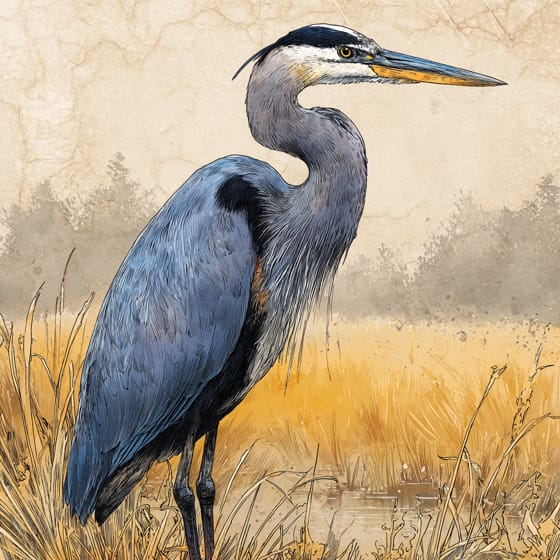
Ardea herodias
Wades in shallow water to snatch.
Daphnia pulex
Feeds on tiny crustaceans.
Social animals live in organized groups, cooperating for survival benefits such as foraging, defense, and raising offspring.
Colorful describes organisms or objects displaying a wide range of bright and distinct colors.
Filter feeders obtain nutrients by straining suspended food particles and small organisms from water.
Diurnal animals are primarily active during daylight hours, typically resting or sleeping at night.

Aquatic habitats encompass environments where organisms live predominantly in water, including oceans, rivers, lakes, and wetlands.
Danger
0/5 · No known danger
No special safety notes yet.
The easiest way to identify Golden Shiner is to use the Snappit nature identifier app.
7.5-30 cm
0.05-0.2 kg
3-7 years
These omnivores eat tiny bugs, algae, and bits of plants they find floating or on the bottom.
10 km/h
Freshwater lakes and rivers across North America.
Foraging
Zoom in to split clusters and explore where this object has been snapped.
May 18, 2026
Ascutney Mill DamPhoto attribution
no rights reserved
License: CC0 1.0 ↗
Image may be shown cropped inside the card frame.

New Jersey, US
You might spot Common Mugwort and White-Tailed Deer.
View guide →

New Hampshire, US
You might spot White-Tailed Deer, Christmas Fern, and Eastern Hemlock.
View guide →

Wyoming, US
You might spot Hunt's Bumble Bee and Two-Spotted Bumble Bee.
View guide →

California, US
You might spot Sandhill Crane and Spined Turban Gall Wasp.
View guide →

Illinois, US
You might spot Painted Turtle, Red-Tailed Hawk, and American Herring Gull.
View guide →

Vermont, US
You might spot Osprey, Great Blue Heron, and Wood Duck.
View guide →
Take the discovery with you
Snap it with Snappit to identify it, learn what makes it special, and add the discovery to your collection.