





Golden-tailed Woodborer
Lithurgus chrysurus
The Golden-tailed Woodborer is a special beetle known for its shiny golden tail! These little insects help trees by making tunnels in wood, which can help the tree stay healthy.
Habitat: Forests
The Golden-tailed Woodborer is a dark-bodied bee with a metallic luster. It has a distinctive tuft of dense, golden-yellow hairs at the tip of its abdomen, giving it its 'golden tail' appearance. Its body is slender, often resembling a wasp.
Category
InsectsRarity
Common
Danger
1/5 · Very low
Snaps
Be the first to snap!
Despite looking like a wasp, this fuzzy insect is actually a gentle bee.
Their striking golden tail hairs shimmer, helping them stand out in nature!
These clever bees lay their eggs inside tiny tunnels already made in wood.
They're called "resin bees" because they build nests from sticky tree sap!
Golden-tailed Woodborer can collect and sculpt plant resins because it has specialized mandibles that help it shape sticky resin into nest structures.
The Golden-tailed Woodborer has special hairs on its legs and body that help them collect pollen, which is crucial for feeding their young.
The Golden-tailed Woodborer can create safe nurseries for its young because it nests in pre-existing holes in wood or stems, sealing them with resin.
These bees drink flower nectar for energy and gather pollen to feed their babies.
Age differences: Larvae eat pollen paste, adults drink nectar.
Centaurea solstitialis
collects pollen and nectar
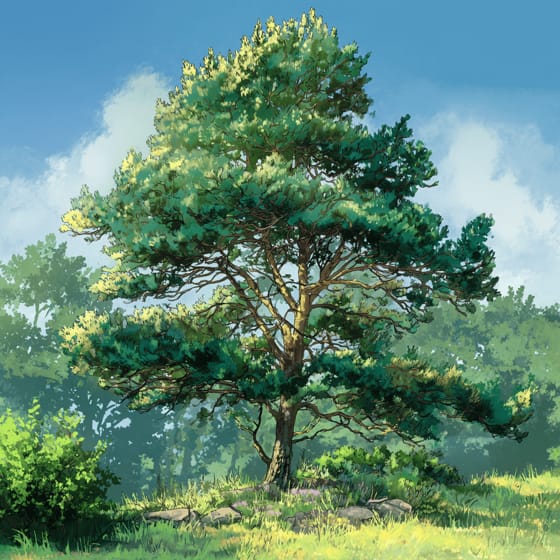
Pinus sylvestris
collects resin for nest building
Araneus diadematus
might get caught in webs
%2C_Parc_de_Woluw%C3%A9%2C_Brussels_(13042792905).jpg&width=800)
Parus major
forages for insects
Coelioxys rufescens
lays eggs in its nests
Solitary animals live alone for most of their lives, only interacting with others for mating or parental care.
Camouflaged describes organisms that possess coloring or patterns that allow them to blend into their environment.
Colorful describes organisms or objects displaying a wide range of bright and distinct colors.
This trait characterizes organisms whose diet consists entirely or primarily of plant material.

Describes organisms that break down dead organic material, recycling nutrients back into the ecosystem.

Forest habitats are terrestrial environments dominated by dense tree cover, supporting a high diversity of plant and animal life.

Diurnal animals are primarily active during daylight hours, typically resting or sleeping at night.

Describes a species whose presence and role have a disproportionately large effect on its environment.

Describes organisms that transfer pollen, enabling the fertilization and reproduction of plants.
No aliases listed yet.
Danger
1/5 · Very low
Don't touch insects without asking an adult first, as some can bite.
The easiest way to identify Golden-tailed Woodborer is to use the Snappit nature identifier app.
15-21 mm
10-14 mm
30-90 days
10-15 km/h
These bees drink flower nectar for energy and gather pollen to feed their babies.
Forests
Foraging
Zoom in to split clusters and explore where this object has been snapped.
Recent snaps will appear here as new observations are added.
Take the discovery with you
Snap it with Snappit to identify it, learn what makes it special, and add the discovery to your collection.







.jpg&width=800)

