





linden viburnum
Viburnum dilatatum
The linden viburnum is a beautiful shrub with lovely white flowers that bloom in spring. It has bright red berries in the fall that birds love to eat!
Habitat: Forests
The linden viburnum is a dense shrub with deeply veined, dull green leaves resembling those of a linden tree. In late spring, it bursts with creamy white flower clusters, followed by vibrant, glossy red berries that persist into winter.
Category
PlantsRarity
Common
Danger
1/5 · Very low
Snaps
2
It gets its 'linden' name because its crinkly leaves look a lot like linden tree leaves!
Its leaves transform into a dazzling display of yellow, orange, and red hues each autumn!
The tiny flowers, though small, team up in big clusters to create a magnificent show!
These berries, while beautiful, are a 'no-go' snack for humans, but a feast for birds!
Linden viburnum has bright red berries that cling to its branches, providing crucial food for birds through cold winter months.
Its creamy white flower clusters emit a sweet scent, acting as a strong signal to attract helpful insect pollinators from afar.
The dense, branching structure of the linden viburnum creates excellent shelter and nesting spots for small birds and mammals.
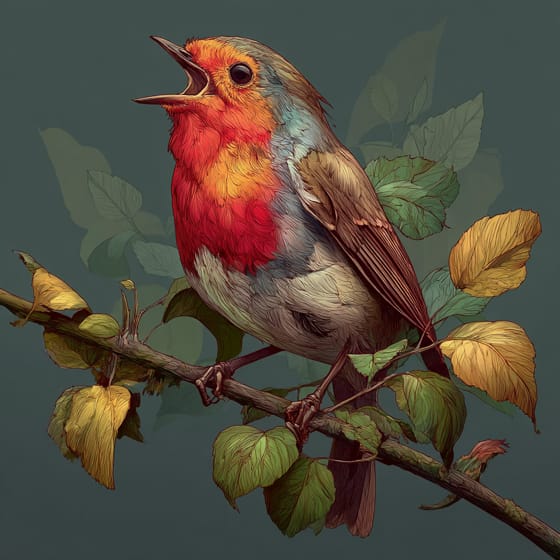
Turdus migratorius
Feasts on its persistent red berries in winter.
Apis mellifera
Visits sweet-scented flowers for nectar and pollen.
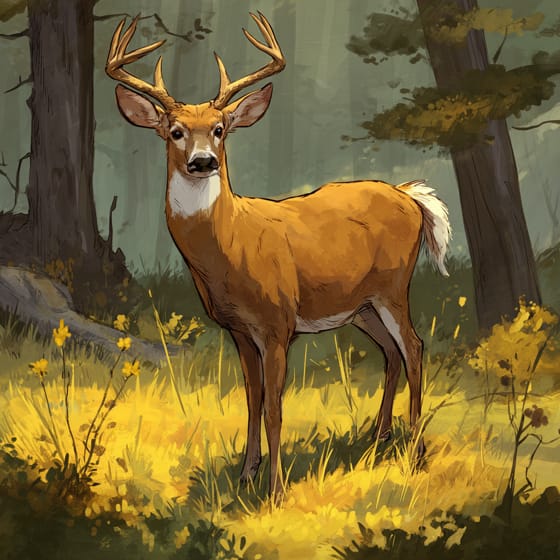
Odocoileus virginianus
Browses on its leaves and young stems, especially in winter.
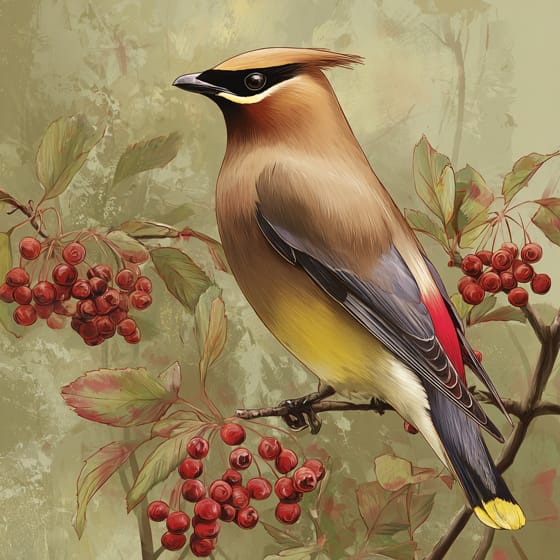
Bombycilla cedrorum
Consumes its abundant red berries throughout the colder months.
Aromatic plants produce and emit fragrant volatile organic compounds, often for defense or to attract pollinators.
Deciduous plants periodically shed all their leaves, typically during autumn or dry seasons.
Flowering plants are any plants that produce flowers as part of their reproductive cycle.
A shrub is a woody plant smaller than a tree, typically with multiple stems branching from or near the ground.

Spring blooming plants produce their flowers during the spring season, often signifying the end of winter and the start of new growth.

Fragrant flowers emit a pleasant aroma, often to attract pollinators or for defense.

Fruit-bearing plants produce fruits, which are the mature ovaries of flowering plants containing seeds.

Fall color refers to the seasonal change in foliage pigmentation, primarily in deciduous plants, displaying vibrant hues.

Describes plants that are particularly attractive and beneficial to a wide range of pollinating organisms.

Forest habitats are terrestrial environments dominated by dense tree cover, supporting a high diversity of plant and animal life.
No aliases listed yet.
Danger
1/5 · Very low
Always stay on paths when exploring nature and don't eat any berries unless an adult says it's safe.
The easiest way to identify linden viburnum is to use the Snappit nature identifier app.
200-300 cm
200-300 cm
0.5-1 cm
Late spring to early summer
No
Mild
Perennial
Zoom in to split clusters and explore where this object has been snapped.

New Jersey, US
You might spot Chinese Sumac, Porcelain Berry, and White-Tailed Deer.
View guide →

Pennsylvania, US
You might spot Mayapple, Bloodroot, and Virginia Springbeauty.
View guide →

Maryland, US
You might spot American Toad, White-Tailed Deer, and Lesser Celandine.
View guide →
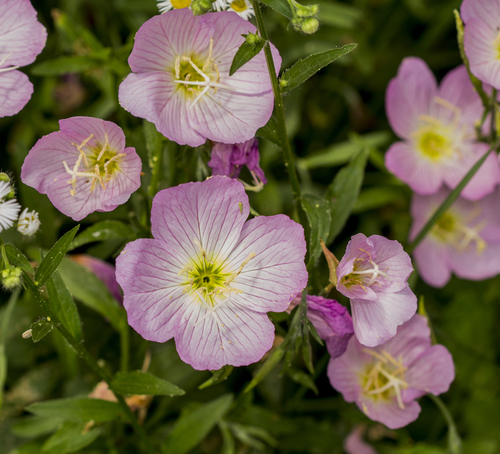
Virginia, US
You might spot Pinkladies, Hickories, and Japanese Aucuba.
View guide →
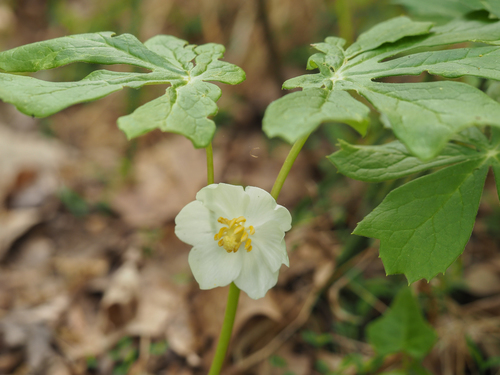
Virginia, US
You might spot Mayapple, White Ash, and Multiflora Rose.
View guide →
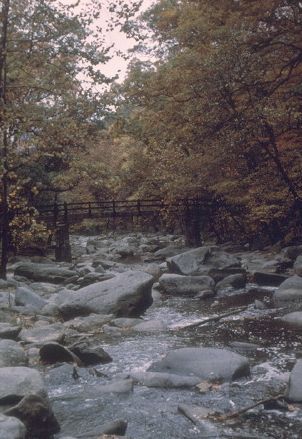
District of Columbia, US
You might spot American Beech, Christmas Fern, and Linden Viburnum.
View guide →
Take the discovery with you
Snap it with Snappit to identify it, learn what makes it special, and add the discovery to your collection.






.jpg&width=800)


_001.jpg&width=800)




