Graceful Rock Crab
metacarcinus gracilis
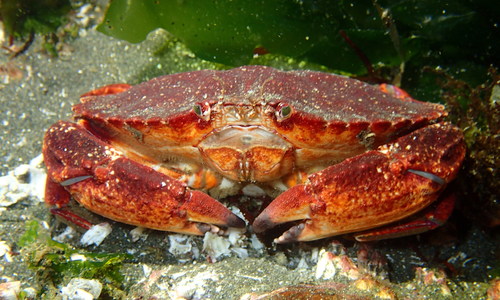
The Graceful Rock Crab is a colorful creature that scuttles along the shore! With its hard shell and quick movements, it's a fun sight to see at the beach.
Habitat: Coastal areas and rocky shorelines.
The Graceful Rock Crab has a flattened, fan-shaped carapace, typically orange-brown to reddish, often adorned with pale spots. Its long, slender legs and small, smooth claws distinguish it. It usually grows up to 10 cm wide.
Category
InvertebrateRarity
Common
Danger
1/5 · Very low
Snaps
Be the first to snap!
A crab's shell doesn't grow, so they shed it to get bigger!
Baby crabs, called zoea, look like tiny aliens, not like their parents!
Graceful Rock Crabs have eyes on stalks that can see almost all around them!
They use their small antennae to smell and feel their way around.
Graceful Rock Crab can regrow lost legs or claws, which helps them recover quickly from predator attacks or injuries.
Graceful Rock Crab has a streamlined body and nimble legs that help them scuttle quickly across rocks and navigate complex tide pools.
Graceful Rock Crab has a hard exoskeleton that helps them protect their soft body from predators and harsh environments.
This crab is an opportunistic omnivore, munching on tiny bits of plants and animals!

Pycnopodia helianthoides
A major predator of crabs.
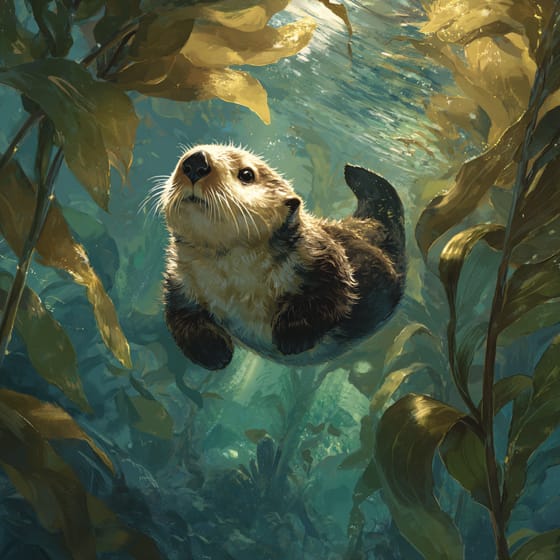
Enhydra lutris
Crabs are part of their varied diet.
Mytilus californianus
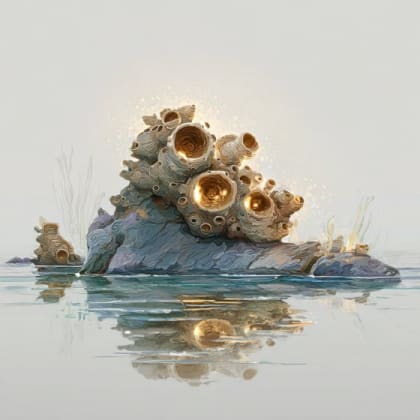
Graceful Rock Crabs will forage on them.
Social animals live in organized groups, cooperating for survival benefits such as foraging, defense, and raising offspring.
Colorful describes organisms or objects displaying a wide range of bright and distinct colors.
Coastal habitats are dynamic environments located along the interface between land and sea, influenced by tides, waves, and saltwater.
This trait identifies organisms whose diet consists entirely or primarily of animal tissue.

Marine habitats encompass all saltwater environments of the Earth's oceans, supporting an immense diversity of aquatic life.
Danger
1/5 · Very low
Always watch crabs from a distance to avoid pinching!
The easiest way to identify Graceful Rock Crab is to use the Snappit nature identifier app.
15 cm
100 g
4 years
This crab is an opportunistic omnivore, munching on tiny bits of plants and animals!
Coastal areas and rocky shorelines.
Foraging
Zoom in to split clusters and explore where this object has been snapped.
Recent snaps will appear here as new observations are added.
Take the discovery with you
Snap it with Snappit to identify it, learn what makes it special, and add the discovery to your collection.