





Granite Spiny Lizard
Sceloporus orcutti
The Granite Spiny Lizard is a small, colorful lizard that loves to bask in the sun on rocky surfaces. Its spiny scales help it blend in with the rocks, making it a master of hide-and-seek!
Habitat: Mountain regions
The Granite Spiny Lizard has rough, keeled scales that are typically grayish-brown with speckles, helping it blend with rocks. Males display striking iridescent blue patches on their belly and throat, making them visually distinctive.
Category
ReptilesRarity
Common
Danger
1/5 · Very low
Snaps
1
Their rough, spiny scales act like a suit of armor against curious predators!
These quick lizards can snatch tiny insects right out of the air for a meal!
They have a special 'third eye' on their head that senses light to help warm them up!
Wow! Male Granite Spiny Lizards do push-ups to show off and defend their territory!
The Granite Spiny Lizard can blend seamlessly into rocky surroundings because its speckled scales mimic the granite it lives on.
The Granite Spiny Lizard can control its body temperature by basking in the sun, which helps it stay active and hunt effectively.
Granite Spiny Lizards can drop their tail when grabbed, which helps them escape predators by leaving a wiggling distraction.
Granite Spiny Lizards communicate with unique head bobs and push-ups, signaling territory or attracting mates without making a sound.
Tiny hunters, they feast on insects and other small arthropods.
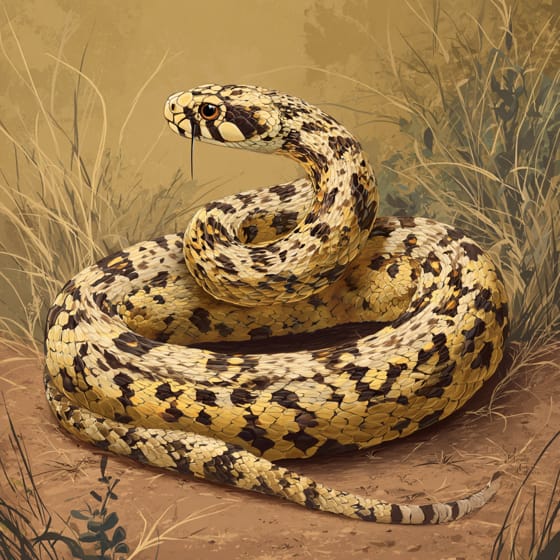
Pituophis catenifer
A common snake predator in its habitat.
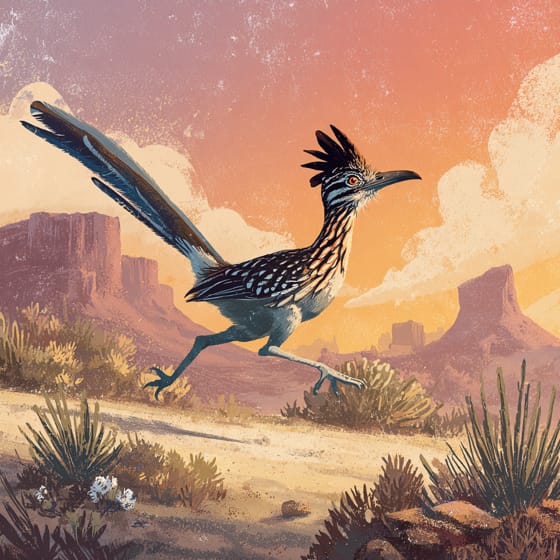
Geococcyx californianus
A swift bird that hunts lizards on the ground.

Pogonomyrmex californicus
These ants are a primary food source for the lizard.
Crotalus helleri
Another snake predator in its range.
Camouflaged describes organisms that possess coloring or patterns that allow them to blend into their environment.
Colorful describes organisms or objects displaying a wide range of bright and distinct colors.
This trait identifies organisms whose diet primarily consists of insects and other small invertebrates.
This habitat trait identifies species found in mountainous regions, characterized by high elevation, steep slopes, and varying climate zones.

Possessing sharp, pointed projections or spines on the body or surface.

Diurnal animals are primarily active during daylight hours, typically resting or sleeping at night.

This trait identifies organisms that exhibit exceptional swiftness in movement for hunting, escape, or travel.
No aliases listed yet.
Danger
1/5 · Very low
Always watch lizards from a distance and don't try to catch them.
The easiest way to identify Granite Spiny Lizard is to use the Snappit nature identifier app.
18-25 cm
0.02-0.05 kg
5-8 years
18 km/h
Tiny hunters, they feast on insects and other small arthropods.
Mountain regions
Foraging
Zoom in to split clusters and explore where this object has been snapped.
Take the discovery with you
Snap it with Snappit to identify it, learn what makes it special, and add the discovery to your collection.














