Tiliqua Gigas
tiliqua gigas
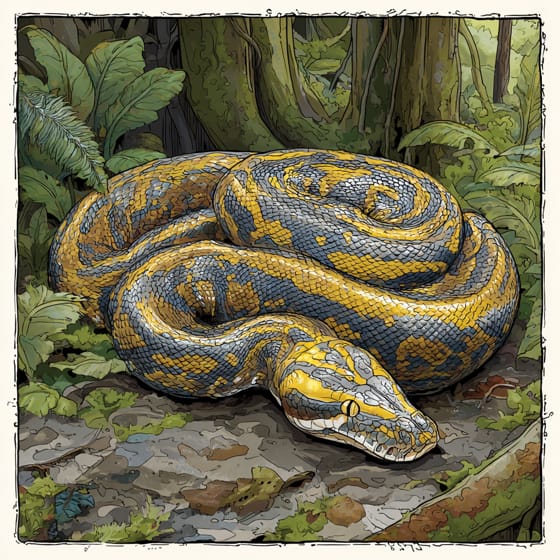
The Tiliqua gigas, also known as the Solomon Island skink, is a large, friendly lizard that loves to bask in the sun! These skinks have shiny, colorful scales that make them look very special in their tropical homes.
Habitat: Tropical forests and coastal areas of the Solomon Islands.
The Tiliqua Gigas is a stout-bodied lizard with short limbs and a distinctive triangular head. It has large, smooth scales, often displaying patterns of brown, tan, and black bands across its back. Its bright blue tongue makes it visually unique among most other lizards.
Category
ReptilesRarity
Common
Danger
1/5 · Very low
Snaps
Be the first to snap!
A single Tiliqua Gigas can amazingly live for over 30 years in human care!
Female Tiliqua Gigas give birth to live babies, not eggs like most other reptiles!
They sometimes eat their own skin after shedding it to recycle important nutrients!
When scared, they often flatten their bodies to look bigger and more intimidating!
Tiliqua Gigas can flash its bright blue tongue to startle predators, making them hesitate and giving the skink time to escape.
Tiliqua Gigas has tough, smooth scales that act like protective armor, helping shield it from bumps and bites.
Tiliqua Gigas has powerful jaws that allow it to easily crush the hard shells of insects and snails for food.
These lizards are omnivores, munching on insects, snails, plants, and even tasty fruits!
Social animals live in organized groups, cooperating for survival benefits such as foraging, defense, and raising offspring.
Arboreal animals live primarily in trees, utilizing them for shelter, food, and protection from predators.
Colorful describes organisms or objects displaying a wide range of bright and distinct colors.
This trait characterizes organisms whose diet consists entirely or primarily of plant material.

Diurnal animals are primarily active during daylight hours, typically resting or sleeping at night.
Danger
1/5 · Very low
No special safety notes yet.
The easiest way to identify Tiliqua Gigas is to use the Snappit nature identifier app.
45-70 cm
0.5-1.5 kg
15-20 years
8 km/h
These lizards are omnivores, munching on insects, snails, plants, and even tasty fruits!
Tropical forests and coastal areas of the Solomon Islands.
Foraging
Zoom in to split clusters and explore where this object has been snapped.
Recent snaps will appear here as new observations are added.
Take the discovery with you
Snap it with Snappit to identify it, learn what makes it special, and add the discovery to your collection.