





Common Spotted Whiptail
Aspidoscelis gularis
The Common Spotted Whiptail is a lively lizard with beautiful spots. It loves to bask in the sun and is quick on its feet, making it fun to watch as it darts around.
Habitat: Deserts and grasslands
The Common Spotted Whiptail is a slender lizard with a very long tail, often twice its body length. It has a dark brown or black body patterned with 6-8 distinct rows of light yellow or cream spots or bars. Its belly is typically white.
Category
ReptilesRarity
Common
Danger
1/5 · Very low
Snaps
11
It searches for food almost constantly, rarely staying still for long!
Some whiptail lizards are all female, but this species has both boys and girls!
Their long tail helps them balance perfectly while running at top speeds!
They love to bask in sunny spots, warming up for their busy day of hunting!
The Common Spotted Whiptail can drop its tail if a predator grabs it, because the wiggling tail distracts the attacker.
The Common Spotted Whiptail has incredible speed and agility that helps them constantly chase down fast-moving insects for food.
The Common Spotted Whiptail can quickly dig shallow burrows that helps them hide from danger or escape the hot sun.
The Common Spotted Whiptail has a forked tongue that helps them 'taste' the air to find hidden prey or sense danger.
This speedy lizard loves to eat a variety of insects and spiders it finds by actively searching.
Age differences: Juveniles typically consume smaller insects compared to adults.
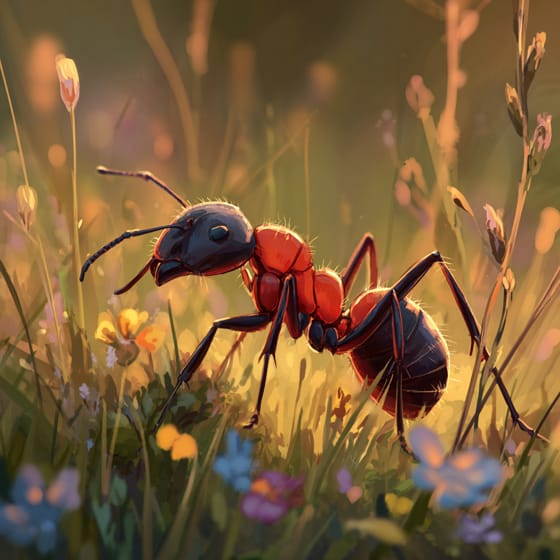
Formica pallidefulva
A common food source for the whiptail.
Schistocerca americana
Provides a large, nutritious meal for the lizard.
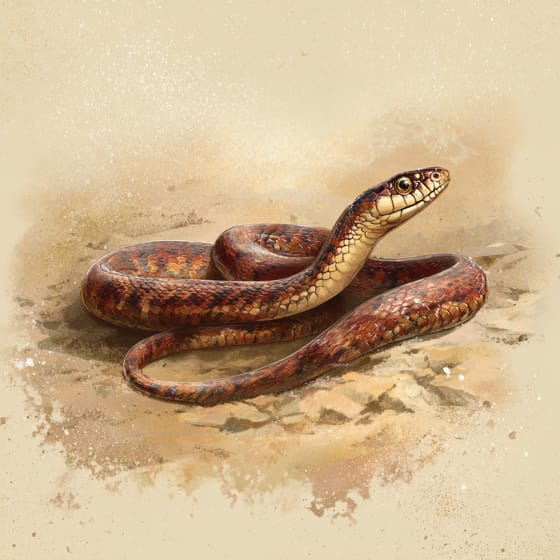
Masticophis flagellum
A fast snake that preys on whiptail lizards.
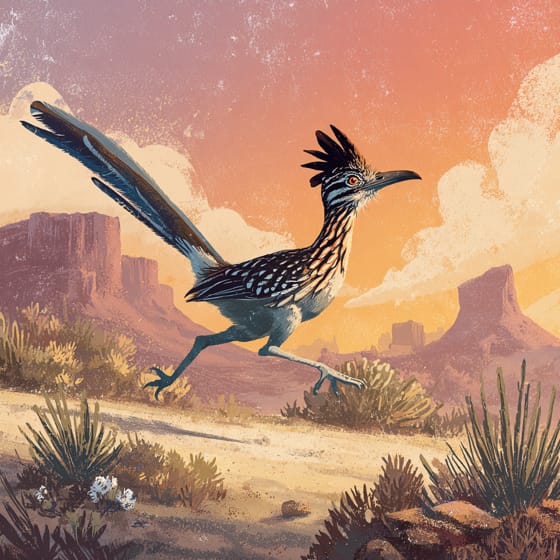
Geococcyx californianus
A quick bird that hunts lizards in its habitat.
Marked with spots or patches of a different color.
Camouflaged describes organisms that possess coloring or patterns that allow them to blend into their environment.
Colorful describes organisms or objects displaying a wide range of bright and distinct colors.
Grassland habitats are terrestrial biomes dominated by grasses and herbaceous plants, supporting a variety of grazing animals.

This trait identifies organisms whose diet primarily consists of insects and other small invertebrates.

Desert habitats are arid regions characterized by extremely low precipitation and often extreme temperatures, supporting specialized flora and fauna.

Diurnal animals are primarily active during daylight hours, typically resting or sleeping at night.

This trait identifies organisms that exhibit exceptional swiftness in movement for hunting, escape, or travel.
No aliases listed yet.
Danger
1/5 · Very low
Always watch lizards from a distance and don't try to catch them.
The easiest way to identify Common Spotted Whiptail is to use the Snappit nature identifier app.
20-30 cm
0.005-0.02 kg
2-5 years
25 km/h
This speedy lizard loves to eat a variety of insects and spiders it finds by actively searching.
Deserts and grasslands
Foraging
Zoom in to split clusters and explore where this object has been snapped.

Texas, US
You might spot Texas Hedgehog Cactus, Ornate Tree Lizard, and Cactus Wren.
View guide →

Texas, US
You might spot Eastern Fox Squirrel and Great-Tailed Grackle.
View guide →

US
You might spot Pond Slider, Black-Bellied Whistling-Duck, and Brown Anole.
View guide →

Texas, US
You might spot Honey Mesquite, Anacua, and Alamo Vine.
View guide →

Texas, US
You might spot Yaupon Holly, American Beautyberry, and Loblolly Pine.
View guide →

Texas, US
You might spot Eastern Fox Squirrel and Great-Tailed Grackle.
View guide →
Take the discovery with you
Snap it with Snappit to identify it, learn what makes it special, and add the discovery to your collection.











