





Grass Lynx Spiders
oxyopes
Grass Lynx Spiders are amazing little hunters that love to chase their prey. With their long legs and quick movements, they can leap and pounce like a tiny ninja!
Habitat: They live in gardens, grasslands, and open fields where they can find plenty of insects to eat.
The Grass Lynx Spiders has a slender body, often green, yellow, or brown, allowing it to blend perfectly with vegetation. Its most striking feature is its large, forward-facing eyes, arranged in a distinctive hexagonal pattern, with two very prominent ones on the front.
Category
InsectsRarity
Common
Danger
0/5 · No known danger
Snaps
Be the first to snap!
Female Grass Lynx Spiders guard their egg sacs fiercely, sometimes for weeks, until the babies hatch!
These spiders have eight eyes arranged in a unique hexagonal pattern on their head!
They can subtly change their body color to better match the surrounding plants!
Unlike many spiders, they chase down prey using speed and powerful leaps, not sticky webs!
Grass Lynx Spiders can leap great distances because of powerful hind leg muscles that help them ambush unsuspecting prey.
Grass Lynx Spiders have excellent forward-facing eyesight that helps them spot tiny insects from several feet away.
Grass Lynx Spiders possess remarkable camouflage because of their varied body colors that helps them hide from predators and prey.
Grass Lynx Spiders can hunt without spinning webs because of their agility and speed that helps them actively pursue prey.
These tiny hunters eat a variety of small insects they catch on plants without using a web.
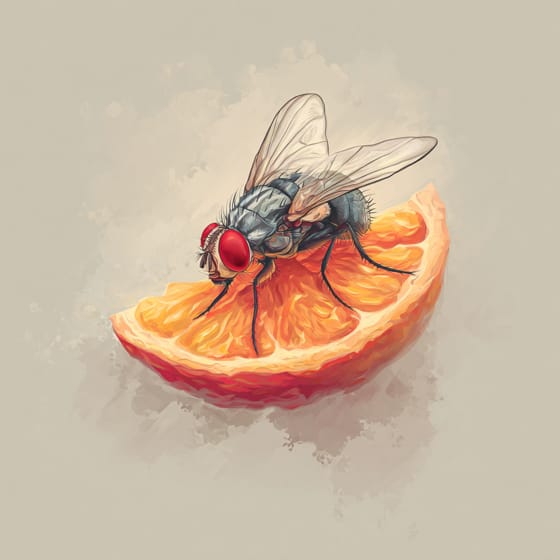
Drosophila melanogaster
Common prey item for juveniles.
Apis mellifera
Ambushes smaller bees on flowers.
Spodoptera frugiperda
Preys on small larvae on plants.
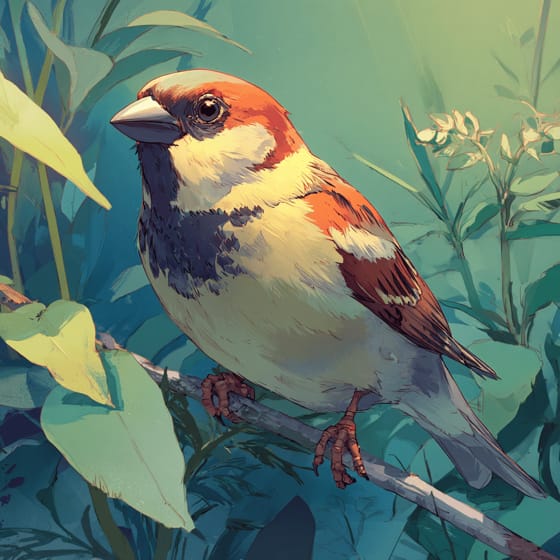
Passer domesticus
Common bird predator of spiders.
Anolis carolinensis
Lizards often prey on smaller spiders.
Solitary animals live alone for most of their lives, only interacting with others for mating or parental care.
Camouflaged describes organisms that possess coloring or patterns that allow them to blend into their environment.
Grassland habitats are terrestrial biomes dominated by grasses and herbaceous plants, supporting a variety of grazing animals.
This trait identifies organisms whose diet consists entirely or primarily of animal tissue.

Diurnal animals are primarily active during daylight hours, typically resting or sleeping at night.
Danger
0/5 · No known danger
No special safety notes yet.
The easiest way to identify Grass Lynx Spiders is to use the Snappit nature identifier app.
5-15 mm
200-365 days
These tiny hunters eat a variety of small insects they catch on plants without using a web.
They live in gardens, grasslands, and open fields where they can find plenty of insects to eat.
Ambush
8
Zoom in to split clusters and explore where this object has been snapped.
Recent snaps will appear here as new observations are added.
Take the discovery with you
Snap it with Snappit to identify it, learn what makes it special, and add the discovery to your collection.








.jpg&width=800)




