





Great Grig
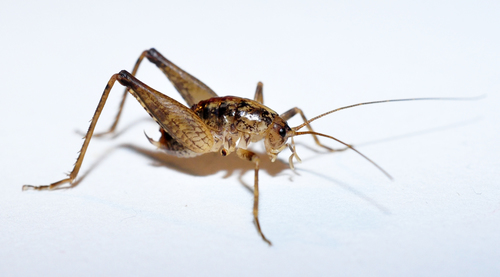
cyphoderris monstrosa
The Great Grig is a fascinating insect known for its loud chirping sounds! Kids love to listen to it during warm summer nights!
Habitat: Great Grigs live in grassy areas, gardens, and fields, especially where it's warm and sunny.
The Great Grig is a robust, mostly flightless katydid with a thick, squat body, typically brown or reddish-brown. It has short, rounded wing pads and notably long, powerful hind legs adapted for jumping. Its overall appearance is stout and somewhat bumpy, distinct from slender flying grasshoppers.
Category
InsectsRarity
Common
Danger
0/5 · No known danger
Snaps
Be the first to snap!
Even though they have wings, Great Grigs prefer to hop or walk, not fly!
Males offer females a special yummy 'nuptial meal' during mating!
Their antennae are super long, often much longer than their whole body!
These amazing insects are often called "ice bugs" because they survive freezing!
Great Grig can leap impressive distances because of its powerful hind legs that help it escape predators quickly.
Great Grig can 'sing' loudly by rubbing its wing pads together, a sound that helps males attract mates in the darkness.
Great Grig has natural antifreeze in its blood, allowing it to survive freezing temperatures that would kill most insects.
Great Grig can blend into its environment using cryptic coloration that helps it hide from predators among vegetation.
Great Grigs are omnivores, munching on small insects and various plants found in their habitat.
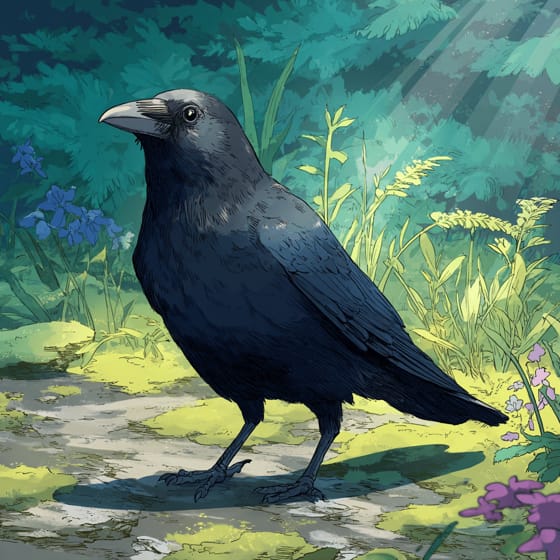
Corvus brachyrhynchos
Predatory birds often hunt them.
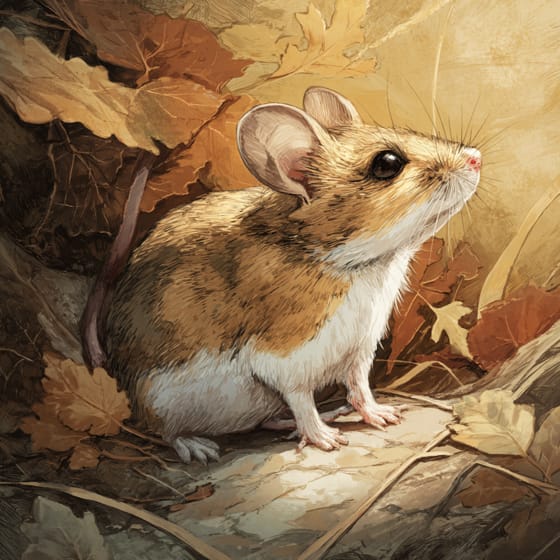
Peromyscus maniculatus
Rodents find them a tasty meal.
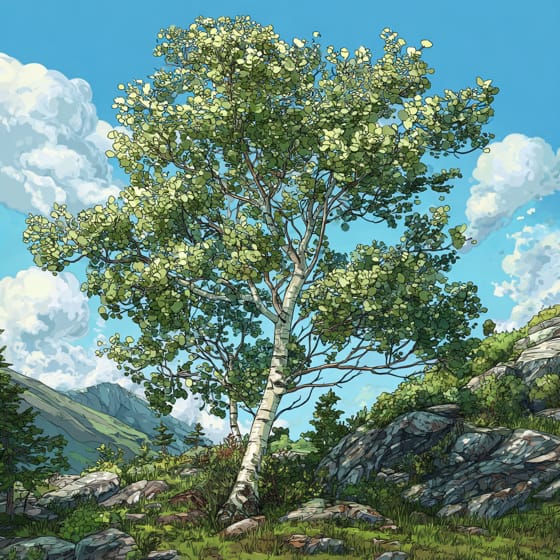
Populus tremuloides
Feeds on leaves and shoots.
Aphis gossypii
Grigs prey on small, soft-bodied insects.
Social animals live in organized groups, cooperating for survival benefits such as foraging, defense, and raising offspring.
Colorful describes organisms or objects displaying a wide range of bright and distinct colors.
Grassland habitats are terrestrial biomes dominated by grasses and herbaceous plants, supporting a variety of grazing animals.
This trait identifies organisms whose diet consists entirely or primarily of animal tissue.

Nocturnal animals are primarily active during the nighttime hours, typically resting or sleeping during the day.
Danger
0/5 · No known danger
No special safety notes yet.
The easiest way to identify Great Grig is to use the Snappit nature identifier app.
15-30 mm
60-120 days
Great Grigs are omnivores, munching on small insects and various plants found in their habitat.
Great Grigs live in grassy areas, gardens, and fields, especially where it's warm and sunny.
Foraging
6
Zoom in to split clusters and explore where this object has been snapped.
Recent snaps will appear here as new observations are added.
Take the discovery with you
Snap it with Snappit to identify it, learn what makes it special, and add the discovery to your collection.








.jpg&width=800)



