





Wasp Beetle
Clytus arietis
The Wasp Beetle is a cool insect that looks like a wasp! It has bright yellow and black stripes, which help it scare away predators. These beetles are often found on flowers and trees.
Habitat: Forests
The Wasp Beetle has a slender, black body adorned with striking bright yellow bands, making it strongly resemble a wasp. Its antennae are relatively long and dark, and it features a distinctive yellow-striped pronotum (the plate behind its head).
Category
InsectsRarity
Common
Danger
1/5 · Very low
Snaps
2
Its scientific name, *Clytus arietis*, means "famous ram" in Greek and Latin!
They wiggle their long antennae just like a wasp to complete their amazing disguise.
Wasp beetles can sometimes emerge from old logs used to build houses!
You might spot them on flowers, but they're beetles, not actual stinging wasps!
Wasp Beetle can perfectly mimic wasps because its yellow and black stripes deter predators who confuse it with a stinging insect.
Wasp Beetle larvae can bore into dead wood because of their strong mandibles, allowing them to eat and develop safely for years.
Wasp Beetle has a strong proboscis that helps them sip nectar from various flowers, providing energy for their adult life.
Wasp Beetle has slightly hairy bodies that help them collect and spread pollen as they visit flowers, aiding plant reproduction.
Adults sip nectar and pollen from flowers, while their larvae munch on decaying wood.
Age differences: Larvae consume decaying wood, while adults feed on nectar and pollen from flowers.
%2C_Parc_de_Woluw%C3%A9%2C_Brussels_(13042792905).jpg&width=800)
Parus major
A tasty meal for hungry tit birds.
Sambucus nigra
Helps elderflower plants make new seeds.
Quercus robur
Larvae develop inside its dead or decaying wood.
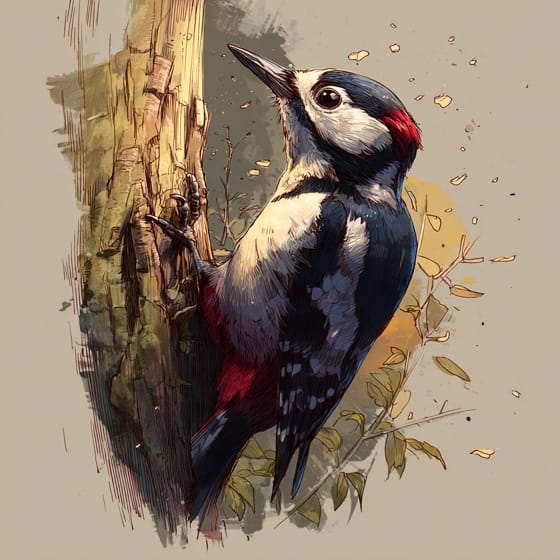
Dendrocopos major
Woodpeckers hunt its larvae in dead wood.
Marked with parallel bands or lines of color.
Solitary animals live alone for most of their lives, only interacting with others for mating or parental care.
Colorful describes organisms or objects displaying a wide range of bright and distinct colors.
This trait characterizes organisms whose diet consists entirely or primarily of plant material.

Describes plants that are particularly attractive and beneficial to a wide range of pollinating organisms.

Forest habitats are terrestrial environments dominated by dense tree cover, supporting a high diversity of plant and animal life.

Diurnal animals are primarily active during daylight hours, typically resting or sleeping at night.

Describes organisms that transfer pollen, enabling the fertilization and reproduction of plants.
No aliases listed yet.
Danger
1/5 · Very low
It's best to watch these beetles from a distance and not touch them.
The easiest way to identify Wasp Beetle is to use the Snappit nature identifier app.
12-36 mm
6-18 mm
20-60 days
8 km/h
Adults sip nectar and pollen from flowers, while their larvae munch on decaying wood.
Forests
Foraging
Zoom in to split clusters and explore where this object has been snapped.
Take the discovery with you
Snap it with Snappit to identify it, learn what makes it special, and add the discovery to your collection.








.jpg&width=800)


