





Great Yellow Gentian
Gentiana lutea
The Great Yellow Gentian is a beautiful flower with bright yellow petals. It grows tall in the mountains and is known for its lovely color and unique shape.
Habitat: Mountain regions
The Great Yellow Gentian has tall, unbranched stems topped with whorls of large, vibrant yellow, star-shaped flowers that seem to emerge directly from the leaf axils. Its glossy, deeply veined green leaves grow in pairs along the robust stem, giving it a distinctive tiered appearance in high mountain meadows.
Category
PlantsRarity
Common
Danger
1/5 · Very low
Snaps
Be the first to snap!
It can take up to ten years for a young plant to bloom for the very first time!
Its bright yellow flowers are like trumpets, attracting hungry bees and butterflies!
Its roots are incredibly bitter, used for centuries to make special digestive tonics!
This amazing plant can live for over 50 years, returning bigger and brighter each spring!
It develops a massive, deep taproot that stores energy for many years, allowing it to survive harsh mountain winters.
Great Yellow Gentian can live for years before flowering for the first time, waiting for perfect conditions to reproduce.
Bombus terrestris
Gathers nectar and pollen, aiding in reproduction.
Apis mellifera
Collects sweet nectar from its bright yellow flowers.
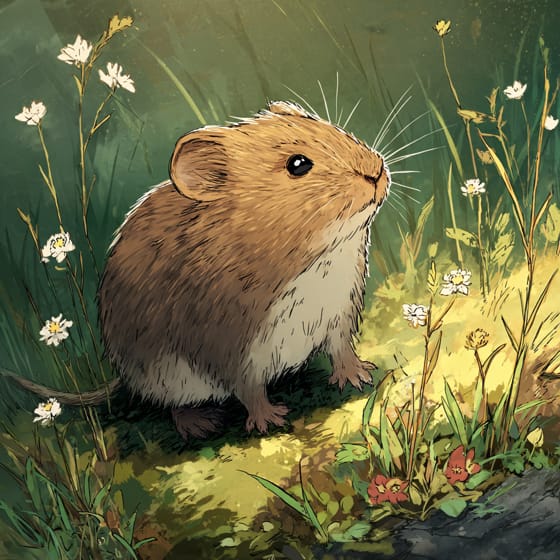
Microtus arvalis
May occasionally consume parts of the root or stem.
Flowering plants are any plants that produce flowers as part of their reproductive cycle.
Summer blooming plants produce their flowers during the summer season, often providing vibrant color when many other plants have finished.
Fragrant flowers emit a pleasant aroma, often to attract pollinators or for defense.
Medicinal plants possess chemical compounds that can be used for therapeutic purposes to treat illnesses or maintain health.

Colorful describes organisms or objects displaying a wide range of bright and distinct colors.

Edible plants are those parts of a plant that are considered safe for human consumption.

Describes plants that are particularly attractive and beneficial to a wide range of pollinating organisms.

This habitat trait identifies species found in mountainous regions, characterized by high elevation, steep slopes, and varying climate zones.
No aliases listed yet.
Danger
1/5 · Very low
Always look but don't touch flowers in the wild to keep them safe.
The easiest way to identify Great Yellow Gentian is to use the Snappit nature identifier app.
100-150 cm
30-60 cm
3-5 cm
Summer
No
Mild
Perennial
Zoom in to split clusters and explore where this object has been snapped.
Recent snaps will appear here as new observations are added.
Take the discovery with you
Snap it with Snappit to identify it, learn what makes it special, and add the discovery to your collection.








.jpg&width=800)


_001.jpg&width=800)



