





Greater Duckweed
spirodela polyrhiza
Greater Duckweed is a tiny floating plant that loves to grow on the surface of ponds and lakes. It is a great food source for many water animals and helps keep the water clean!
Habitat: Freshwater ponds, lakes, and slow-moving streams
The Greater Duckweed is a small, free-floating aquatic plant that forms bright green mats on the water's surface. Its individual fronds are round to oval, often with a distinctive reddish-purple underside and several fine rootlets hanging into the water, distinguishing it from smaller duckweeds.
Category
PlantsRarity
Common
Danger
0/5 · No known danger
Snaps
3
Duckweed can produce so much oxygen that it helps other creatures in the pond breathe!
It's the largest of the duckweed family, yet still often smaller than your pinky fingernail!
Many fish and birds love to munch on this tiny green plant like it's a super nutritious snack!
Scientists are studying duckweed to help clean up polluted water and even create new sustainable foods!
Greater Duckweed can reproduce incredibly fast, doubling its population in days to quickly cover water surfaces.
Greater Duckweed can absorb excess nutrients from the water, which helps clean ponds and improve water quality.
Greater Duckweed has special buds called turions that sink, allowing it to survive freezing winters underwater.
Anas platyrhynchos
ducks feast on its floating leaves
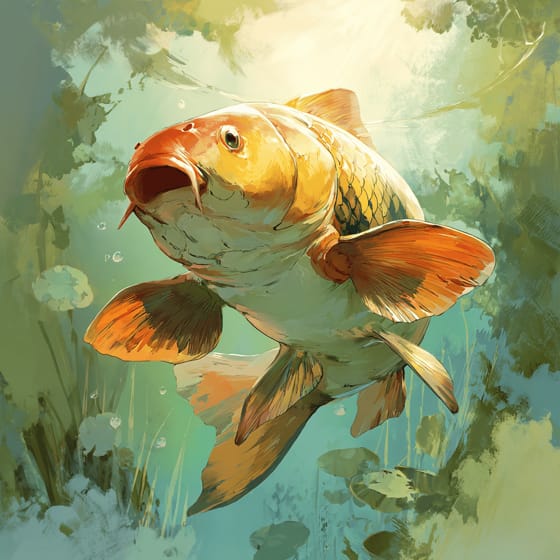
Cyprinus carpio
carp filter-feed on duckweed fronds
Lymnaea stagnalis
snails graze on its green fronds
Social animals live in organized groups, cooperating for survival benefits such as foraging, defense, and raising offspring.
Filter feeders obtain nutrients by straining suspended food particles and small organisms from water.
This trait characterizes organisms whose diet consists entirely or primarily of plant material.
Describes organisms that break down dead organic material, recycling nutrients back into the ecosystem.

Aquatic habitats encompass environments where organisms live predominantly in water, including oceans, rivers, lakes, and wetlands.
Danger
0/5 · No known danger
No special safety notes yet.
The easiest way to identify Greater Duckweed is to use the Snappit nature identifier app.
0.3-1 cm
0.3-1 cm
0.05-0.1 cm
Yes
None
Perennial
Wind
Zoom in to split clusters and explore where this object has been snapped.

Michigan, US
You might spot Canada Goose, Amur Honeysuckle, and Garter Snake.
View guide →

New Jersey, US
You might spot Striped Wintergreen and Partridgeberry.
View guide →
.jpg&width=800)
Illinois, US
You might spot Reticulated Giraffe and Southern White Rhinoceros.
View guide →
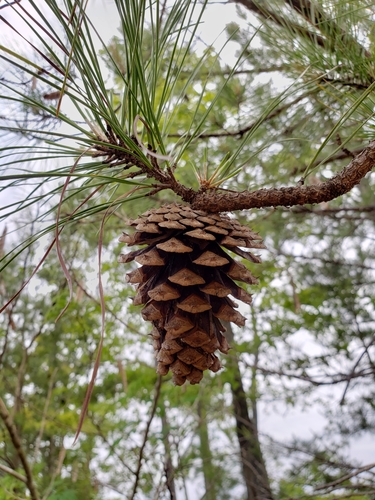
Virginia, US
You might spot Loblolly Pine, Fox Grape, and Sensitive Fern.
View guide →
Take the discovery with you
Snap it with Snappit to identify it, learn what makes it special, and add the discovery to your collection.









.jpg&width=800)



_001.jpg&width=800)




