




Scotch Broom
Cytisus scoparius
Scotch Broom is a bright yellow flowering shrub that loves to grow in sunny places. It has long, green stems and can grow quite tall, making it a cheerful sight in gardens and fields.
Habitat: Grasslands
The Scotch Broom has vibrant, pea-like yellow flowers clustered along its upright, green, angular stems. Its slender, wiry branches make it look quite distinct from other shrubs, often forming dense, bushy patches.
Category
PlantsRarity
Common
Danger
2/5 · Low
Snaps
5
Its tiny seeds can stay hidden in the soil for 80 years before sprouting!
On a warm day, its seed pods make snapping sounds as they burst open to spread seeds!
Scotch Broom was brought to new places as a garden plant, but it got too wild!
Some old-fashioned brooms for sweeping were actually made from its flexible stems!
Scotch Broom can enrich soil by pulling nitrogen from the air with special root bacteria, helping it grow in poor ground.
Scotch Broom has seed pods that pop open forcefully, flinging seeds several meters away to spread easily.
Scotch Broom has tough, waxy stems and a deep root system that helps it survive in very dry, sunny places.
Bombus lapidarius
A frequent visitor for nectar and pollen.
Chrysolina quadrigemina
Larvae and adults feed on leaves and stems.
Uresiphita reversalis
Its caterpillars consume the foliage and stems.
Deciduous plants periodically shed all their leaves, typically during autumn or dry seasons.
Flowering plants are any plants that produce flowers as part of their reproductive cycle.
Describes organisms capable of converting atmospheric nitrogen into compounds usable by plants.
A shrub is a woody plant smaller than a tree, typically with multiple stems branching from or near the ground.

Spring blooming plants produce their flowers during the spring season, often signifying the end of winter and the start of new growth.

Fragrant flowers emit a pleasant aroma, often to attract pollinators or for defense.

Colorful describes organisms or objects displaying a wide range of bright and distinct colors.

Grassland habitats are terrestrial biomes dominated by grasses and herbaceous plants, supporting a variety of grazing animals.

Describes plants that are particularly attractive and beneficial to a wide range of pollinating organisms.

Rapid growing plants exhibit accelerated growth rates, quickly increasing in size and biomass within a short period.

Invasive species are non-native organisms that cause harm to the environment, economy, or human health.
No aliases listed yet.
Danger
2/5 · Low
While Scotch Broom is pretty, it's best to look and not touch, as some parts can be prickly.
The easiest way to identify Scotch Broom is to use the Snappit nature identifier app.
100-300 cm
100-200 cm
1-2.5 cm
Spring to early summer
No
Moderate
Perennial
Zoom in to split clusters and explore where this object has been snapped.

Oregon, US
You might spot Duck, Pacific Trillium, and Wood Duck.
View guide →

Washington, US
You might spot Wood Duck, Rough-Skinned Newt, and Pacific Trillium.
View guide →

Washington, US
You might spot Northern Flicker, American Robin, and Great Blue Heron.
View guide →

California, US
You might spot White Globe Lily, California Buckeye, and Rose Campion.
View guide →
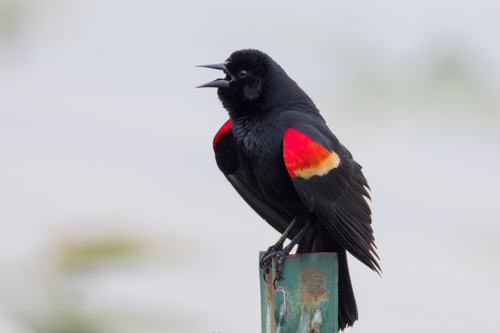
British Columbia, CA
You might spot Red-Winged Blackbird, Tree Swallow, and Great Blue Heron.
View guide →
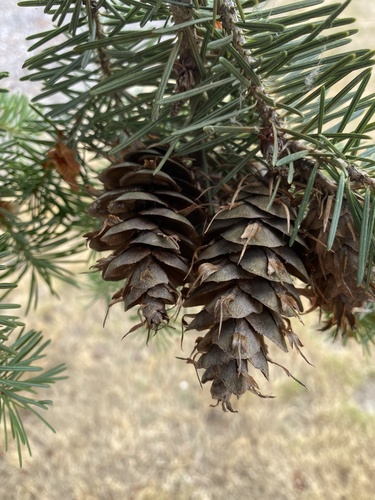
British Columbia, CA
You might spot Douglas Fir, Purple Foxglove, and Oregon Oak.
View guide →
Take the discovery with you
Snap it with Snappit to identify it, learn what makes it special, and add the discovery to your collection.







.jpg&width=800)

_001.jpg&width=800)




