_022.jpg&width=800)





Greater White-toothed Shrew
Crocidura russula
The Greater White-toothed Shrew is a tiny mammal with a long nose and sharp teeth. It loves to scurry around in the grass and hunt for insects to eat. These little creatures are very quick and can be found in many places!
Habitat: Grasslands
The Greater White-toothed Shrew has soft, grey-brown fur with a lighter, whitish belly and a long, pointed snout. Its small eyes and ears are often hidden, and it has distinctive white-tipped teeth.
Category
MammalsRarity
Common
Danger
1/5 · Very low
Snaps
Be the first to snap!
Despite being so small, these shrews can be fierce hunters of insects and worms!
It finds food using sensitive whiskers and smell, relying little on its tiny eyes!
Some shrews shrink their skull and brain in winter, then regrow it in spring!
This tiny shrew has a heart that can beat over 1,000 times per minute!
Greater White-toothed Shrew has an incredibly fast metabolism that helps them stay warm and active, but requires constant feeding.
Greater White-toothed Shrew can make high-pitched ultrasonic sounds that help them explore their surroundings in the dark.
This tiny hunter eats many insects and other small creatures to keep its speedy metabolism going!
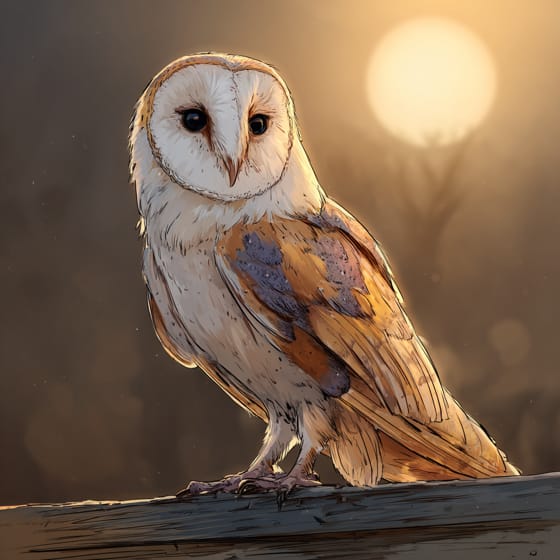
Tyto alba
A common predator, they hunt shrews at night.
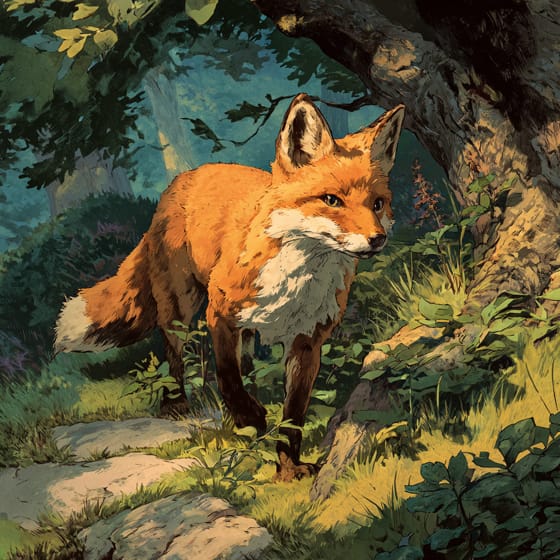
Vulpes vulpes
Foxes may eat shrews, though not their main meal.
Lumbricus terrestris
Earthworms are a vital part of the shrew's diet.
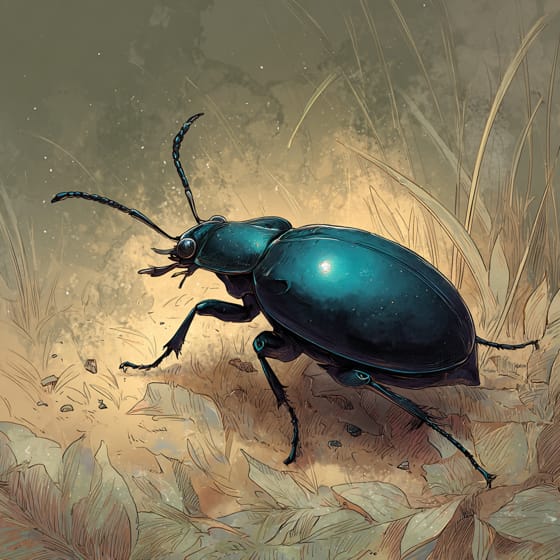
Carabus nemoralis
Shrews actively hunt and eat various ground beetles.
Furry describes animals possessing a dense covering of soft hair or fur.
Solitary animals live alone for most of their lives, only interacting with others for mating or parental care.
Grassland habitats are terrestrial biomes dominated by grasses and herbaceous plants, supporting a variety of grazing animals.
This trait identifies organisms whose diet primarily consists of insects and other small invertebrates.

This trait identifies organisms whose diet consists entirely or primarily of animal tissue.

Pertaining to species that are significantly smaller than typical or average for their kind.

This trait identifies organisms that exhibit exceptional swiftness in movement for hunting, escape, or travel.
No aliases listed yet.
Danger
1/5 · Very low
These little animals are shy and prefer to be left alone. It's best to watch them from a distance.
The easiest way to identify Greater White-toothed Shrew is to use the Snappit nature identifier app.
6.3-8.6 cm
0.005-0.015 kg
1-2 years
7 km/h
This tiny hunter eats many insects and other small creatures to keep its speedy metabolism going!
Grasslands
Foraging
Zoom in to split clusters and explore where this object has been snapped.
Recent snaps will appear here as new observations are added.
Take the discovery with you
Snap it with Snappit to identify it, learn what makes it special, and add the discovery to your collection.




.jpg&width=800)



.JPG&width=800)


.jpg&width=800)
