




Greenbottle Flies
Lucilia
Greenbottle flies are shiny green insects that love to buzz around in warm weather. They are often seen near flowers and can help with nature by breaking down waste.
Habitat: Urban areas
The Greenbottle Flies has a dazzling, iridescent metallic green or bluish-green body that shimmers like a jewel. It features large, prominent reddish-brown eyes and delicate, clear wings. This striking color helps distinguish it from other duller flies.
Category
InsectsRarity
Common
Danger
1/5 · Very low
Snaps
1
Greenbottle flies can sometimes be used by doctors to clean wounds!
Their amazing eyes have thousands of tiny lenses to see everything!
They can buzz their wings over 200 times per second to fly super fast!
They taste with their feet to decide if food is good to eat!
Greenbottle Flies can sniff out decaying meat from over 10 miles away because of their powerful antennae that helps them find food.
Greenbottle Flies can lay hundreds of eggs in a single batch because of their quick reproductive cycle that helps them multiply fast.
Greenbottle Flies has a predictable life cycle that helps them assist scientists in figuring out how long ago an animal died.
Greenbottle flies like to slurp up rotting stuff, but adults also drink nectar and sweet liquids!
Age differences: Larvae eat decaying organic matter, while adults primarily feed on sweet liquids like nectar or sap.
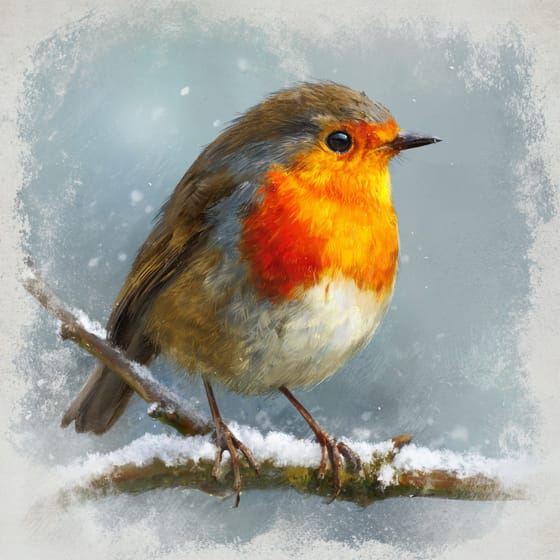
Erithacus rubecula
Robins prey on adult flies.
Rana temporaria
Frogs eat flies that land nearby.
Araneus diadematus
Spiders catch flies in their webs.
_Clock_-_Tennessee%2C_USA_-_May_31%2C_2014.jpg&width=800)
Taraxacum officinale
Flies visit flowers, helping pollination.
Social animals live in organized groups, cooperating for survival benefits such as foraging, defense, and raising offspring.
Aerial creatures spend a significant portion of their lives airborne, utilizing flight for various activities such as hunting, migration, or nesting.
Scavengers consume dead organic matter, helping to decompose carcasses and other waste in the ecosystem.
Colorful describes organisms or objects displaying a wide range of bright and distinct colors.

Describes organisms that break down dead organic material, recycling nutrients back into the ecosystem.

Diurnal animals are primarily active during daylight hours, typically resting or sleeping at night.

Describes a species whose presence and role have a disproportionately large effect on its environment.

This trait identifies organisms that exhibit exceptional swiftness in movement for hunting, escape, or travel.

This habitat trait indicates species that can coexist with humans in urban and suburban environments, utilizing man-made structures and green spaces.

Describes organisms that transfer pollen, enabling the fertilization and reproduction of plants.
Danger
1/5 · Very low
Don't touch flies, as they can carry germs. Just watch them from a distance!
The easiest way to identify Greenbottle Flies is to use the Snappit nature identifier app.
9-24 mm
6-12 mm
14-28 days
10 km/h
Greenbottle flies like to slurp up rotting stuff, but adults also drink nectar and sweet liquids!
Urban areas
Foraging
Zoom in to split clusters and explore where this object has been snapped.

Pennsylvania, US
You might spot American Robin, Song Sparrow, and Mourning Dove.
View guide →
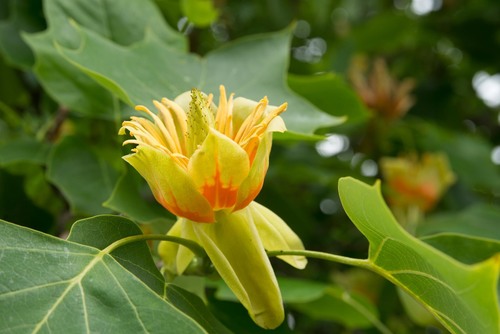
Virginia, US
You might spot American Tuliptree and Japanese Snowball.
View guide →
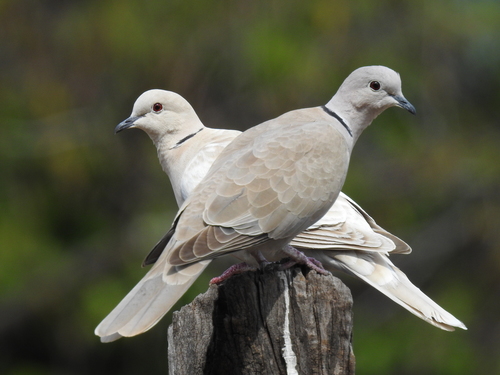
Tennessee, US
You might spot Eurasian Collared-Dove and Ringless Honey Mushroom.
View guide →
Take the discovery with you
Snap it with Snappit to identify it, learn what makes it special, and add the discovery to your collection.








.jpg&width=800)


