





Grey Crowned Crane
Balearica regulorum
The Grey Crowned Crane is a beautiful bird with a striking crown of golden feathers. They are known for their elegant dance and can often be seen in pairs, making them a symbol of love and loyalty in the wild.
Habitat: Savannas
The Grey Crowned Crane is an elegant bird with a mostly grey body and distinctive white and brown wings. It features a magnificent golden, bristle-like crown on its head, with bright red patches on its face. Long black legs support its tall stature.
Category
BirdsRarity
Common
Danger
1/5 · Very low
Snaps
Be the first to snap!
Baby Grey Crowned Cranes are called 'colts' and can walk just hours after hatching!
Grey Crowned Cranes are one of only two crane species worldwide that can perch in trees!
Their long, powerful legs help them stomp the ground to flush out hidden insects!
They perform amazing 'dances' with jumps and bows to find a mate!
Grey Crowned Cranes have a spectacular golden, bristly crest that helps them attract mates during their elaborate courtship displays.
Grey Crowned Cranes can make loud, booming calls because they have a special coiled windpipe that helps them communicate across long distances.
Grey Crowned Cranes can perch in trees, an unusual trait for cranes, because their long hind toe helps them grasp branches securely.
They are omnivores, eating everything from insects and small animals to seeds and plants!
Crocodylus niloticus
Preys on eggs and chicks near water.
Terathopius ecaudatus
A powerful raptor that may target young cranes.
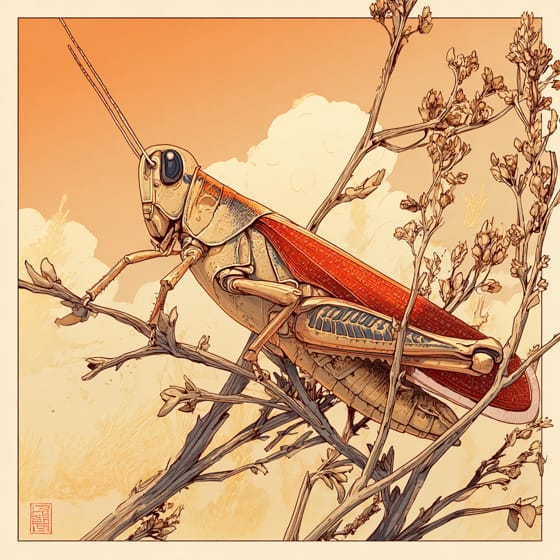
Schistocerca gregaria
Devours many insects, including locusts.
Ptychadena anchietae
Consumes frogs found in its wetland habitats.
Feathered describes animals, primarily birds, possessing a covering of feathers.
Social animals live in organized groups, cooperating for survival benefits such as foraging, defense, and raising offspring.
Singing animals produce complex vocalizations, often for purposes of attracting mates, defending territory, or communicating within their species.
Colorful describes organisms or objects displaying a wide range of bright and distinct colors.

This trait characterizes organisms whose diet consists entirely or primarily of plant material.

This habitat trait denotes species native to savannas, which are grasslands with scattered trees, typically found in tropical or subtropical regions with distinct wet and dry seasons.

Diurnal animals are primarily active during daylight hours, typically resting or sleeping at night.

Migratory animals undertake seasonal movements from one region to another, typically in response to changes in climate or food availability.

Endangered status indicates a species is at a very high risk of extinction in the wild in the near future.
No aliases listed yet.
Danger
1/5 · Very low
Always watch birds from a distance and do not try to touch them.
The easiest way to identify Grey Crowned Crane is to use the Snappit nature identifier app.
100-110 cm
180-200 cm
3-4 kg
15-22 years
50 km/h
They are omnivores, eating everything from insects and small animals to seeds and plants!
Savannas
Zoom in to split clusters and explore where this object has been snapped.
Recent snaps will appear here as new observations are added.
Take the discovery with you
Snap it with Snappit to identify it, learn what makes it special, and add the discovery to your collection.




.jpg&width=800)





