
African Lion

Step back in time to an era when exotic wildlife thrived alongside lush gardens in Minneapolis.
Step back in time to an era when exotic wildlife thrived alongside lush gardens in Minneapolis. The Longfellow Zoological Gardens, open from 1906 to 1934, offered an unparalleled glimpse into the animal kingdom, right in the heart of the city. More than just a zoo, it was a unique private enterprise that blended a diverse menagerie with elements of an amusement park and the grandeur of formal gardens. Visitors could marvel at a stunning array of animals, from free-roaming flamingos and seals to powerful lions, jaguars, leopards, and even a polar bear said to be from Norway. The visionary behind this enchanting destination was Robert "Fish" Jones, a showman and animal lover whose personal collection formed the foundation of the zoo. Guests were treated to captivating spectacles, including lion-taming shows and performing sea lions, creating a lively and unforgettable experience for families and individuals alike. Beyond the animal enclosures, the gardens themselves were meticulously maintained, featuring a replica of poet Henry Wadsworth Longfellow's home and a commemorative statue of the poet, adding a cultural dimension to the wildlife adventure. Although the zoo is a cherished part of Minneapolis's past, its legacy endures through historical records and the beautiful public gardens that now occupy a portion of its former grounds. Wondering what that bird or insect is? Find out on your visit using the Snappit nature app.
The Longfellow Zoological Gardens originated from the extensive animal collection of Robert "Fish" Jones, a Minneapolis businessman who began acquiring animals in 1876. After several relocations due to his growing collection, Jones officially opened his private zoo to the public in 1906 in the Minnehaha neighborhood. The zoo quickly became a beloved local institution, even taking in many animals from Minnehaha Park's earlier, unofficial zoo when its superintendent decided against animals in city parks in 1906-1907. Jones built a two-thirds scale replica of Henry Wadsworth Longfellow's home on the property, which served as his residence and contributed to the venue's name, alongside a statue of the poet. The zoo flourished for decades, but after Jones's death in 1930, his family struggled to maintain it, leading to its eventual closure. Many of its animals were transferred to the Como Zoo in St. Paul, and by 1934, the land was transferred to the Minneapolis Park and Recreation Board. The site today is largely part of Minnehaha Regional Park, featuring the formal Longfellow Gardens and the Longfellow House, which now functions as an interpretive center.
In its operating years, visitors could ride camels, witness animal performances, and observe a wide range of global wildlife.
Animal activity and outdoor shows would have been seasonal. Winter care for many animals, such as housing alligators in greenhouses, indicates the seasonal nature of some exhibits.
Information on specific accessibility features for the historical zoo is limited, but it was designed as a public attraction. Today, the Longfellow Gardens and surrounding Minnehaha Park offer paved paths for general accessibility.
The performing sea lions
lion-taming shows
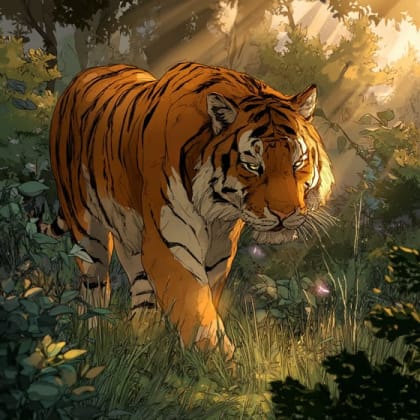
variety of large predators like lions, jaguars, and the "man-eating tiger,"
exotic birds like flamingos and cranes
Each card links to a full Explore page with photos, traits, and fun facts.
Start with the big picture, then zoom in to explore individual wildlife observations around this place.
Visit Minnehaha Regional Park
To get a sense of the zoo's former location, visit the beautiful Minnehaha Regional Park, particularly the Longfellow Gardens section, which now stands on part of the old zoo's grounds.
Explore the Longfellow House
The replica Longfellow House, once Robert "Fish" Jones's home, is now an interpretive center for the Minneapolis Park System and offers historical insights into the area.
Look for the Longfellow Statue
A statue of Henry Wadsworth Longfellow, which was a centerpiece of the original gardens, still stands on the site.
Research "Fish" Jones
Learn more about Robert "Fish" Jones, the eccentric showman who founded and ran the zoo, to truly appreciate its unique character.
Consult Local Historical Societies
For deeper historical information and archival photos, check with the Hennepin History Museum or the Minnesota Historical Society.
Recent snaps will appear here as new observations are added.

Michigan, US
You might spot African Lion, Komodo Dragon, and Brown Bear.
View guide →
.jpg)
Municipal District of Cobh, IE
You might spot Ring-Tailed Lemur, Giraffes, and Cheetahs.
View guide →

Nouvelle-Aquitaine, FR
You might spot Greater Flamingo, Giraffes, and Red Panda.
View guide →

Texas, US
You might spot Giraffes, African Lion, and Eastern Black Rhinoceros.
View guide →