





Greylag × Swan Goose
Anser anser × cygnoides
The Greylag × Swan Goose is a special mix of two types of geese! They have beautiful feathers and love to swim in water. You can often see them in parks and lakes, waddling around happily.
Habitat: Wetlands
The Greylag × Swan Goose is a large, sturdy waterfowl with mixed plumage, typically a mottled grey body sometimes with brown tones. Its bill can range from orange to black, often with a knob at the base, and its legs are usually pinkish-orange. It has a distinctive upright posture.
Category
BirdsRarity
Common
Danger
3/5 · Moderate
Snaps
1
Baby geese, called goslings, follow their parents everywhere in a line!
Some geese are known to 'adopt' orphaned goslings into their own families!
Their bills have special 'teeth' called lamellae to help them filter food!
These geese often form strong pair bonds that last their whole lives!
Greylag × Swan Goose has excellent vision and hearing that helps them spot predators from far away, keeping their flock safe.
Greylag × Swan Goose can paddle strongly with their webbed feet, allowing them to escape danger quickly in water and forage for plants.
Greylag × Swan Goose can make loud honking calls that helps them communicate with each other and warn the group of any approaching threats.
These geese mostly munch on green plants, seeds, and roots found on land or in water.
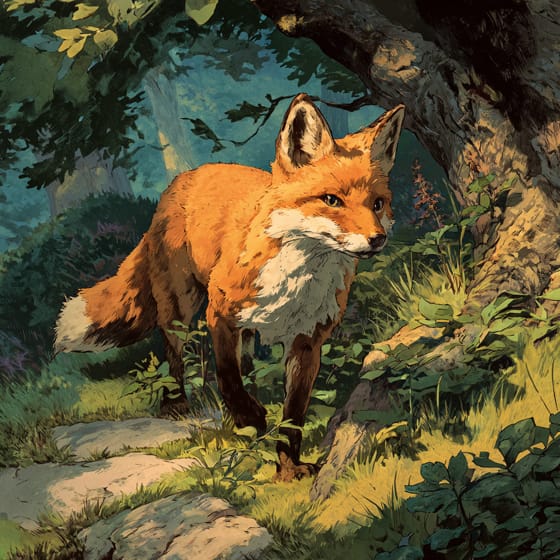
Vulpes vulpes
Foxes prey on eggs and young goslings.
Typha latifolia
Geese graze on stems and roots of aquatic plants.
Lolium perenne
They forage for this common grass in fields and parks.
Feathered describes animals, primarily birds, possessing a covering of feathers.
Characterized by having toes connected by a membrane, typically aiding in swimming.
Social animals live in organized groups, cooperating for survival benefits such as foraging, defense, and raising offspring.
Colorful describes organisms or objects displaying a wide range of bright and distinct colors.

This trait characterizes organisms whose diet consists entirely or primarily of plant material.

This habitat trait identifies species found in wetlands, which are areas of land saturated with water, either permanently or seasonally, including marshes, swamps, and bogs.

Diurnal animals are primarily active during daylight hours, typically resting or sleeping at night.

Aquatic habitats encompass environments where organisms live predominantly in water, including oceans, rivers, lakes, and wetlands.

Migratory animals undertake seasonal movements from one region to another, typically in response to changes in climate or food availability.
No aliases listed yet.
Danger
3/5 · Moderate
Always watch geese from a distance and don’t feed them, as they can be protective.
The easiest way to identify Greylag × Swan Goose is to use the Snappit nature identifier app.
75-95 cm
150-185 cm
2.5-4.5 kg
10-20 years
70 km/h
These geese mostly munch on green plants, seeds, and roots found on land or in water.
Wetlands
Zoom in to split clusters and explore where this object has been snapped.

Louisiana, US
You might spot Heavenly Bamboo, Rio Grande Copper Lily, and Ballmoss.
View guide →

Louisiana, US
You might spot Heavenly Bamboo, Rio Grande Copper Lily, and Ballmoss.
View guide →

Louisiana, US
You might spot Heavenly Bamboo, Rio Grande Copper Lily, and Ballmoss.
View guide →
Take the discovery with you
Snap it with Snappit to identify it, learn what makes it special, and add the discovery to your collection.




.jpg&width=800)





