





guelder-rose
Viburnum opulus
The guelder-rose is a lovely shrub with beautiful white flowers that bloom in spring. It has bright red berries in the fall, which are fun to look at, but they are not safe to eat!
Habitat: Wetlands
The guelder-rose is a deciduous shrub with lobed, maple-like green leaves that turn vibrant red or purple in autumn. It boasts flat-topped clusters of delicate white flowers in spring, followed by bright, glossy red berries in late summer.
Category
PlantsRarity
Common
Danger
2/5 · Low
Snaps
12
Despite its name, it's a honeysuckle relative, not a true rose!
Its big, lacy flower clusters look like snowflakes when they bloom in spring!
Some people call it 'cramp bark' because old remedies used it for muscle aches!
The wood was historically used for arrows, earning it the name 'arrowwood'!
Its bright red berries attract many birds, which then help spread the guelder-rose's seeds far and wide.
Large, showy outer flowers attract pollinators to smaller inner ones, ensuring good seed production.
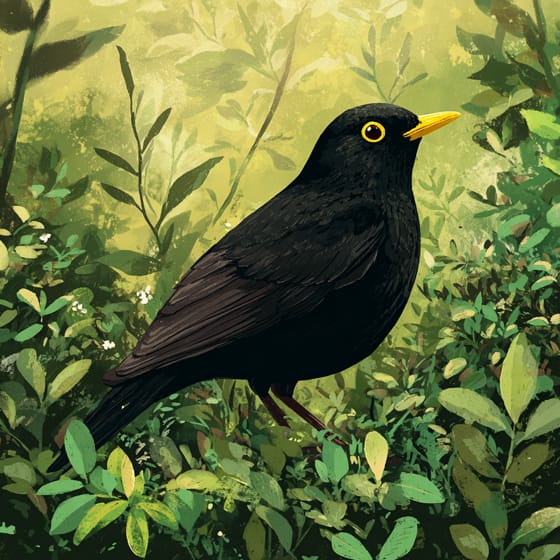
Turdus merula
Berries provide winter food.
Apis mellifera
Attracts bees with nectar and pollen.
Aphis viburni
Aphids feed on young shoots and leaves.
Deciduous plants periodically shed all their leaves, typically during autumn or dry seasons.
Flowering plants are any plants that produce flowers as part of their reproductive cycle.
Ornamental plants are cultivated primarily for their aesthetic appeal, enhancing landscapes and gardens with their attractive foliage, flowers, or form.
A shrub is a woody plant smaller than a tree, typically with multiple stems branching from or near the ground.

Spring blooming plants produce their flowers during the spring season, often signifying the end of winter and the start of new growth.

Fruit-bearing plants produce fruits, which are the mature ovaries of flowering plants containing seeds.

Colorful describes organisms or objects displaying a wide range of bright and distinct colors.

Describes plants that are particularly attractive and beneficial to a wide range of pollinating organisms.

This habitat trait identifies species found in wetlands, which are areas of land saturated with water, either permanently or seasonally, including marshes, swamps, and bogs.
Danger
2/5 · Low
Don't eat the berries, as they can make you feel unwell.
The easiest way to identify guelder-rose is to use the Snappit nature identifier app.
200-500 cm
200-400 cm
0.5-1.5 cm
Late spring to early summer
No
Mild
Perennial
Zoom in to split clusters and explore where this object has been snapped.

Wisconsin, US
You might spot Turkey, White-Tailed Deer, and Dame's Rocket.
View guide →

New Hampshire, US
You might spot Wood Nettle and Water Chickweed.
View guide →

Maryland, US
You might spot Virginia Bluebells, Virginia Springbeauty, and Red Buckeye.
View guide →

Iowa, US
You might spot Guelder-Rose, Prickly Cucumber, and Bluegill.
View guide →

Wisconsin, US
You might spot Common Eastern Bumble Bee, Turkey, and White-Tailed Deer.
View guide →
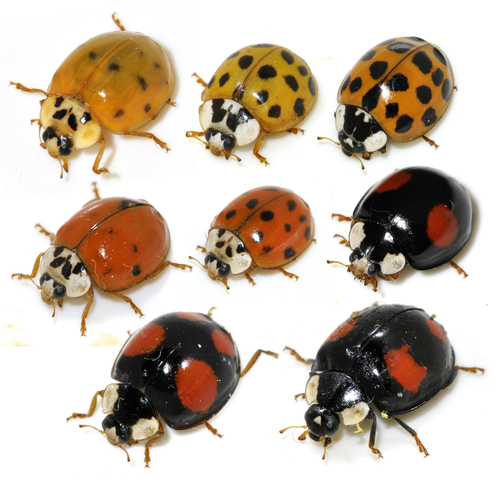
Indiana, US
You might spot Asian Lady Beetle and North American Wheel Bug.
View guide →
Take the discovery with you
Snap it with Snappit to identify it, learn what makes it special, and add the discovery to your collection.







.jpg&width=800)



_001.jpg&width=800)




