_1.jpg&width=800)





European Searocket
Cakile maritima
The European Searocket is a special plant that grows by the sea. It has beautiful purple flowers and can survive in sandy, salty places where few other plants can grow.
Habitat: Coastal areas
The European Searocket is a sprawling plant with fleshy, deeply lobed green leaves. It has small, four-petaled flowers, typically pale purple to white, growing in clusters. Its distinctive, rocket-shaped seed pods make it stand out on sandy shores.
Category
PlantsRarity
Common
Danger
1/5 · Very low
Snaps
2
It's a champion colonizer, often the first plant to sprout on newly formed sand dunes!
Its common name comes from its rocket-shaped seed pods, not because it flies!
Some people call its leaves 'sea mustard' because they taste a bit peppery!
This tough plant can even withstand being partially buried by shifting sands and survive!
European Searocket can thrive in salty sand by storing and releasing excess salt, allowing it to grow where other plants struggle.
European Searocket has buoyant, corky seed pods that float on ocean currents, spreading its seeds to new beaches far away.
European Searocket can grow fast and produce seeds quickly, helping it survive in unstable, shifting coastal environments.
Apis mellifera
Honey bees visit its flowers for nectar.
Bombus terrestris
Bumblebees are important pollinators of its small flowers.

Oryctolagus cuniculus
Rabbits often browse on its leaves in dune areas.
Ficobrissus fasciatus
Specialized bugs feed on its leaves and sap.
Flowering plants are any plants that produce flowers as part of their reproductive cycle.
A shrub is a woody plant smaller than a tree, typically with multiple stems branching from or near the ground.
Summer blooming plants produce their flowers during the summer season, often providing vibrant color when many other plants have finished.
Fragrant flowers emit a pleasant aroma, often to attract pollinators or for defense.
Salt tolerant plants can withstand and grow in conditions with elevated salinity levels in the soil or water.

Coastal habitats are dynamic environments located along the interface between land and sea, influenced by tides, waves, and saltwater.

Describes a species whose presence and role have a disproportionately large effect on its environment.

Marine habitats encompass all saltwater environments of the Earth's oceans, supporting an immense diversity of aquatic life.
No aliases listed yet.
Danger
1/5 · Very low
Be careful not to pick too many plants, as they help the beach stay healthy!
The easiest way to identify European Searocket is to use the Snappit nature identifier app.
10-60 cm
20-50 cm
0.5-1 cm
Late spring to early fall
Yes
None
Annual
Zoom in to split clusters and explore where this object has been snapped.

Nouvelle-Aquitaine, FR
You might spot Greater Flamingo, Giraffes, and Red Panda.
View guide →

California, US
You might spot Brown Pelican, Snowy Plover, and Sanderling.
View guide →

California, US
You might spot Great Egret, Snowy Egret, and Savannah Sparrow.
View guide →

British Columbia, CA
You might spot Broad-Leaved Stonecrop, Harbor Seal, and Ochre Sea Star.
View guide →
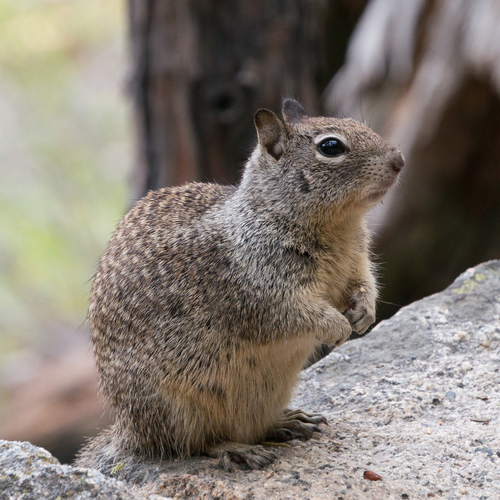
California, US
You might spot California Ground Squirrel and Coast Cholla.
View guide →
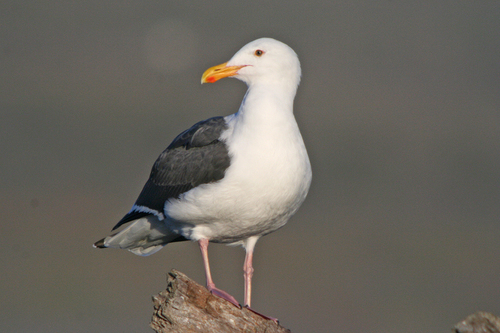
California, US
You might spot Western Gull, Snowy Egret, and Black Skimmer.
View guide →
Take the discovery with you
Snap it with Snappit to identify it, learn what makes it special, and add the discovery to your collection.








.jpg&width=800)


_001.jpg&width=800)




