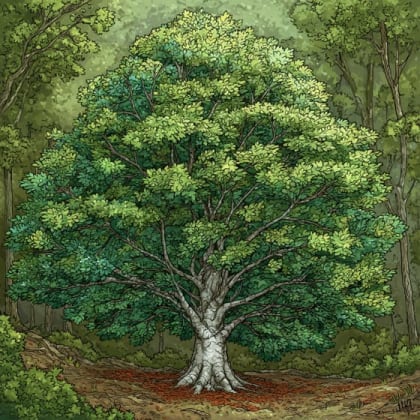





American Beech

Cylburn Arboretum offers a sprawling 200-acre natural sanctuary in the heart of Baltimore City.
Cylburn Arboretum offers a sprawling 200-acre natural sanctuary in the heart of Baltimore City. As Baltimore's largest public garden, it provides a diverse landscape of cultivated plantings, stunning gardens, and extensive wooded trails, creating an ideal respite from urban life.
Visitors can explore over 20 distinct themed gardens, including a fragrant Rose Garden, a tranquil Japanese Garden with water features, and a vibrant Native Plant Garden showcasing indigenous species. The arboretum also boasts 3.5 miles of woodland trails, ranging from easy to moderately difficult, winding through diverse habitats like forests, open meadows, and even a small bog. Beyond its botanical beauty, Cylburn is a renowned birdwatching destination, with over 170 species recorded, including migrating warblers and thrushes, and resident Great Horned Owls.
Cylburn Arboretum is a year-round destination, offering free admission and a rich blend of natural beauty, historical intrigue, and educational opportunities. It's a cherished place for those seeking to connect with nature, appreciate horticultural artistry, explore historic architecture like the Cylburn Mansion, or simply find a peaceful retreat within the city. Take the ultimate field guide with you: use the Snappit app to identify birds, plants, and animals on your trip.
Cylburn Arboretum originated as the private estate of businessman Jesse Tyson, who began constructing the impressive Cylburn Mansion in 1863. The Mansion, designed by George Aloysius Frederick, was completed in 1888 and built from gneiss stone sourced from Tyson's own quarries. The estate remained a private residence until 1942, when it was acquired by Baltimore City. In 1954, the property was established as the Cylburn Wildflower Preserve and Garden Center, and later, in 1982, it was officially renamed Cylburn Arboretum. During the mid-20th century, city chief horticulturalist Gerard Moudry significantly expanded the arboretum's plantings, contributing to its extensive collection of native and exotic species.
Wander through diverse gardens, hike the woodland trails, engage in birdwatching, visit the Nature Education Center for exhibits, and admire the historic architecture of the Cylburn Mansion. The arboretum also hosts seasonal events and educational programs.
Spring (March-May): Expect a profusion of spring ephemeral flowers, daffodils, cherry blossoms, magnolias, dogwoods, and significant bird migration.
Summer (June-August): Gardens are lush, and the Nature Education Center often runs summer camps.
Fall (September-November): Enjoy vibrant fall foliage, blooming goldenrod and asters, and continued bird migration.
Winter (December-February): Look for winter berry colors on plants like holly and juniper, and observe birds at feeders.
The Vollmer Visitor Center, Cylburn Mansion, Greenhouse Classroom, and Nature Education Center are all handicapped-accessible. Paved pathways connect key buildings, and the Buckeye Trail is ADA-accessible. Accessible restrooms and handicapped parking are available.
A historic Victorian Renaissance Revival-style mansion.
Located in the renovated Carriage House, featuring educational displays.
A modern, green-built facility.
Explore specific areas like the Rose Garden, Native Plant Garden, Japanese Garden, Larrabee Garden (with its unique water feature), and Nathans Garden (featuring a gazebo).
Each card links to a full Explore page with photos, traits, and fun facts.
Start with the big picture, then zoom in to explore individual wildlife observations around this place.
Grab a map
Maps are available near the entrance and are helpful for navigating the various trails and gardens.
Wear comfortable footwear
With over 3.5 miles of trails, comfortable shoes are essential for exploring the extensive grounds.
Bring binoculars
Cylburn is an excellent spot for birdwatching, so binoculars will enhance your experience.
Check Nature Education Center hours
The Nature Education Center has specific operating hours, which can vary, especially during summer camps.
Stay on paved paths for bikes
Bicycles are only permitted on paved paths, not on woodland trails or lawns.
Pack a picnic
Picnics are welcome in designated areas, offering a lovely way to enjoy the scenery.
May 31, 2026
May 20, 2026
May 14, 2026
May 14, 2026
May 14, 2026

Maryland, US
You might spot White-Tailed Deer and Eastern Gray Squirrel.
View guide →
.jpg)
District of Columbia, US
You might spot Eastern Gray Squirrel, Duck, and House Sparrow.
View guide →

Illinois, US
You might spot American Robin, Canada Goose, and House Sparrow.
View guide →

Virginia, US
You might spot Spotted Lanternfly and Northern Cardinal.
View guide →
Take the discovery with you
Identify the wildlife you spot, learn as you go, and keep a collection of the adventure.

















