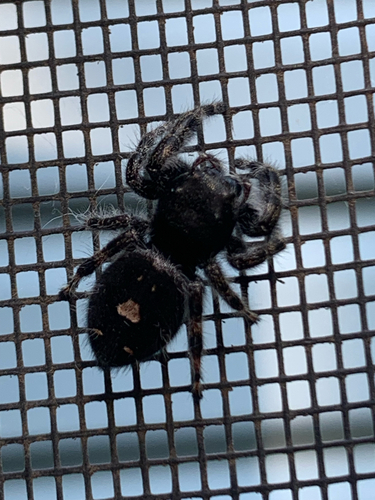
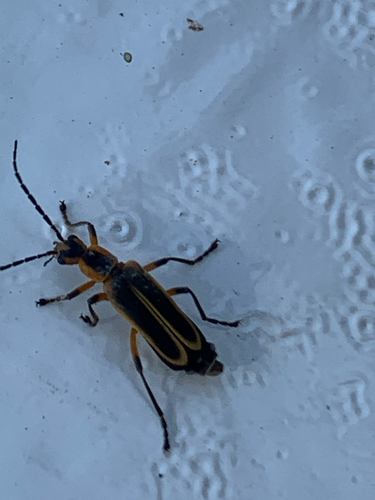
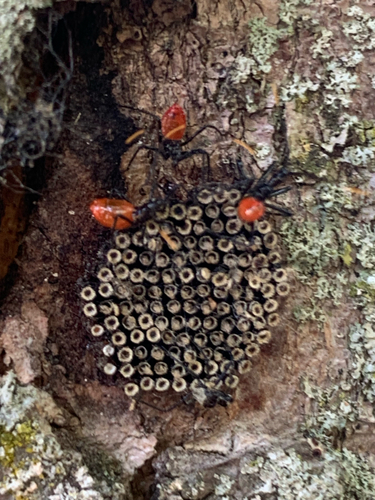
Asian Lady Beetle
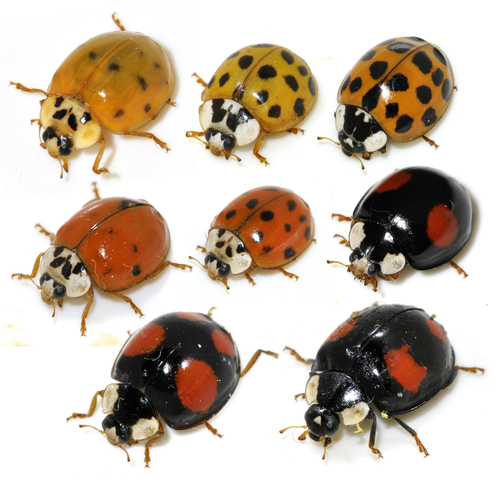
J. Edward Roush Lake is a popular reservoir offering diverse outdoor recreation in Indiana.
This expansive U.S. Army Corps of Engineers reservoir, also known as Huntington Lake, spans 900 acres of water and is surrounded by approximately 7,600 to 8,200 acres of recreational land. Completed in 1968, the lake serves a vital dual purpose: flood control for the Wabash River valley and a premier destination for recreation. Its picturesque setting provides a peaceful escape into nature, making it a significant part of the Upper Wabash Reservoirs system.
Visitors can engage in a wide array of activities, from tranquil fishing to exhilarating water sports. Anglers can target a variety of fish including largemouth bass, bluegill, redear sunfish, crappie, white bass, channel catfish, smallmouth bass, and walleye below the dam. The lake is also a haven for wildlife enthusiasts, with excellent year-round opportunities for wildlife watching and birdwatching, especially in spring for waterfowl. Keep an eye out for bald eagles, white-tailed deer, rabbits, squirrels, and wild turkeys. Key facilities include the Kil-so-quah Campground, the Little Turtle Recreation Area, the J.E. Roush Fish & Wildlife Area, and a state-of-the-art shooting range.
J. Edward Roush Lake offers a memorable outdoor experience for all ages, blending natural beauty with abundant recreational opportunities. Whether you're casting a line, navigating the waters by boat, exploring hiking trails, or simply picnicking amidst scenic views from the Observation Mound, this destination provides a refreshing connection to the Indiana landscape. Its commitment to both environmental management and public enjoyment solidifies its reputation as a cherished natural retreat. Explore the grounds like a pro—download the Snappit app to instantly identify animals and plants.
Originally named Huntington Reservoir, J. Edward Roush Lake was constructed by the U.S. Army Corps of Engineers and completed in 1968. The lake was subsequently renamed to honor J. Edward Roush, a distinguished individual who served as a State Representative and Senator in Indiana, as well as a representative in the U.S. House of Representatives, for his significant contributions to the local area. The primary objectives behind its creation were to provide crucial flood control for the Wabash River valley and to establish a valuable recreational resource for the public. Today, the reservoir and its surrounding recreational lands are cooperatively managed by the U.S. Army Corps of Engineers and the Indiana Department of Natural Resources (DNR), with the DNR overseeing the recreational facilities.
Engage in boating, water skiing, wakeboarding, tubing, and fishing on the lake. Hike scenic trails, go hunting in designated areas, practice at the shooting range, or enjoy picnicking. Wildlife watching and birdwatching, particularly for species like bald eagles and waterfowl, are popular. Camping at Kil-so-quah Campground provides an immersive experience.
Spring brings abundant waterfowl and emerging wildflowers, but visitors should be aware that heavy rains can lead to flooding, potentially closing access roads and campgrounds; checking property advisories is advised. Summer is peak season for water sports. Fall offers pleasant weather for hiking and fishing, while winter provides specific hunting opportunities.
ADA accessible hunting areas are available; contact the U.S. Army Corps of Engineers or DNR office for details. One of the picnic shelters at Observation Mound is ADA accessible, equipped with amenities like electricity, water, and restrooms. The road across the dam is paved and wide enough to accommodate RVs without height restrictions.
Don't miss the panoramic views from the J. Edward Roush Dam and the Observation Mound. Explore the Kil-so-quah Campground and Little Turtle Recreation Area for recreational facilities and access points. The J.E. Roush Fish & Wildlife Area offers extensive opportunities for wildlife viewing and hunting. The state-of-the-art shooting range is another prominent feature.
Each card links to a full Explore page with photos, traits, and fun facts.
Start with the big picture, then zoom in to explore individual wildlife observations around this place.
Always obtain the necessary Indiana fishing or hunting licenses before engaging in these activities.
Before visiting, particularly during spring, check the J. Edward Roush Lake property advisories for any potential flooding or closures due to heavy rains.
Bring binoculars for an enhanced wildlife and birdwatching experience, as bald eagles and a variety of waterfowl are often present.
Consider utilizing the state-of-the-art shooting range for target practice with pistols, rifles, shotguns, or archery.
If planning a camping trip, try visiting the Kil-so-quah Campground during weekdays for a more peaceful and less crowded experience.
Don't forget to visit the J. Edward Roush Dam for impressive views and consider fishing in the tailwaters, a known spot for walleye.
Jun 6, 2026
Photo attribution
no rights reserved
License: CC0 1.0 ↗
Image may be shown cropped inside the card frame.
Jun 6, 2026
Photo attribution
no rights reserved
License: CC0 1.0 ↗
Image may be shown cropped inside the card frame.
Jun 6, 2026
Photo attribution
no rights reserved
License: CC0 1.0 ↗
Image may be shown cropped inside the card frame.
Jun 6, 2026
Photo attribution
no rights reserved
License: CC0 1.0 ↗
Image may be shown cropped inside the card frame.
Jun 6, 2026
Photo attribution
no rights reserved
License: CC0 1.0 ↗
Image may be shown cropped inside the card frame.

Maryland, US
You might spot White-Tailed Deer and Eastern Gray Squirrel.
View guide →
.jpg)
District of Columbia, US
You might spot Eastern Gray Squirrel, Duck, and House Sparrow.
View guide →

Illinois, US
You might spot American Robin, Canada Goose, and House Sparrow.
View guide →

Virginia, US
You might spot Spotted Lanternfly and Northern Cardinal.
View guide →
Take the discovery with you
Identify the wildlife you spot, learn as you go, and keep a collection of the adventure.