





Habropoda miserabilis
Habropoda miserabilis
The Habropoda miserabilis, also known as the miserable bee, is a small, fuzzy insect that loves to buzz around flowers. They are important for helping plants grow by spreading pollen.
Habitat: Grasslands
The Habropoda miserabilis is a medium-sized, fuzzy bee with a dark body covered in dense, yellowish-orange hair on its thorax, contrasting with a darker abdomen. It has delicate, smoky wings and robust legs adapted for digging. Its overall appearance can sometimes be mistaken for a small bumblebee.
Category
InsectsRarity
Rare
Danger
2/5 · Low
Snaps
Be the first to snap!
Their name 'miserabilis' might come from how early and cold they appear in spring!
These bees are specialized, only gathering food from a few specific kinds of flowers!
They are excellent architects, building individual, hidden tunnels for each baby bee.
Without these bees, some of California's most beautiful early wildflowers wouldn't thrive!
Habropoda miserabilis can 'buzz pollinate' by vibrating their flight muscles, shaking pollen from flowers not accessible to other bees.
Habropoda miserabilis has a unique internal clock that helps them emerge and forage for nectar very early in the spring.
Habropoda miserabilis can dig intricate nests in the ground because of their strong legs, creating safe homes for their young.
These bees drink flower nectar for energy and gather pollen to feed their growing larvae.
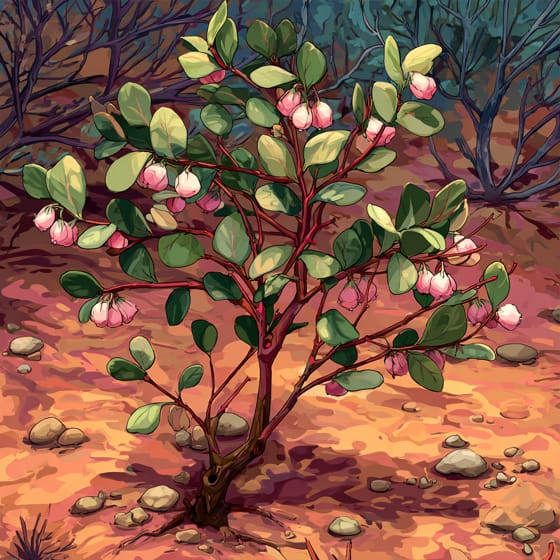
Arctostaphylos manzanita
Primary pollen and nectar source
Cercocarpus betuloides
An important early-season food source

Bombylius major
Larvae often parasitize bee nests
Formica fusca
Ants may raid bee nests
Furry describes animals possessing a dense covering of soft hair or fur.
Social animals live in organized groups, cooperating for survival benefits such as foraging, defense, and raising offspring.
Grassland habitats are terrestrial biomes dominated by grasses and herbaceous plants, supporting a variety of grazing animals.
This trait characterizes organisms whose diet consists entirely or primarily of plant material.

Describes plants that are particularly attractive and beneficial to a wide range of pollinating organisms.

Diurnal animals are primarily active during daylight hours, typically resting or sleeping at night.

Describes a species whose presence and role have a disproportionately large effect on its environment.

Describes organisms that transfer pollen, enabling the fertilization and reproduction of plants.
Danger
2/5 · Low
Be gentle and quiet around bees, and they will usually leave you alone.
The easiest way to identify Habropoda miserabilis is to use the Snappit nature identifier app.
15-20 mm
8-12 mm
30-60 days
15 km/h
These bees drink flower nectar for energy and gather pollen to feed their growing larvae.
Grasslands
Foraging
Zoom in to split clusters and explore where this object has been snapped.
Recent snaps will appear here as new observations are added.
Take the discovery with you
Snap it with Snappit to identify it, learn what makes it special, and add the discovery to your collection.






.jpg&width=800)



