





Hairy White Oldfield Aster
symphyotrichum pilosum
The Hairy White Oldfield Aster is a beautiful flower that blooms in late summer and early fall. Its white petals and yellow center attract many pollinators like butterflies and bees!
Habitat: It commonly grows in open fields, meadows, and along roadsides.
The Hairy White Oldfield Aster has numerous small, daisy-like white flowers with yellow centers, clustered along its very hairy stems. Its lance-shaped leaves are also noticeably hairy, giving the plant a fuzzy appearance that distinguishes it from other asters.
Category
PlantsRarity
Common
Danger
0/5 · No known danger
Snaps
5
Its late blooms are a critical snack bar, fueling bees and butterflies before winter.
Sometimes called "Frost Aster" as it keeps blooming even after the first autumn frosts!
The name "Aster" comes from a Greek word meaning "star," just like its charming flowers!
This tough plant is often a pioneer, growing in poor soil where others struggle.
Hairy White Oldfield Aster has densely hairy stems and leaves that help protect it from hungry insects and water loss.
Hairy White Oldfield Aster blooms late into fall, providing vital nectar for pollinators when other food sources are scarce.
Hairy White Oldfield Aster can spread easily through underground stems (rhizomes) to colonize open or disturbed areas quickly.
Hairy White Oldfield Aster has tiny seeds with fluffy parachutes that let them float on the wind to new spots.
Apis mellifera
Visits its numerous flowers for nectar and pollen in late autumn.
Bombus impatiens
One of many native bees that pollinate its late-season blooms.

Odocoileus virginianus
Young plants and foliage are occasionally browsed by hungry deer.
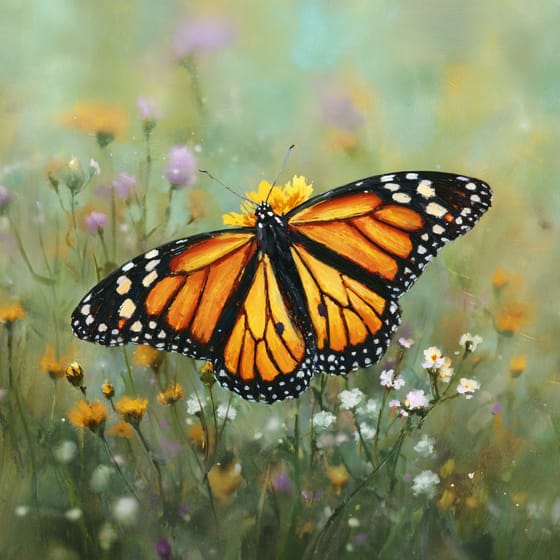
Danaus plexippus
Adult butterflies feed on its nectar as they migrate south.
Colorful describes organisms or objects displaying a wide range of bright and distinct colors.
Grassland habitats are terrestrial biomes dominated by grasses and herbaceous plants, supporting a variety of grazing animals.
This trait characterizes organisms whose diet consists entirely or primarily of plant material.
Diurnal animals are primarily active during daylight hours, typically resting or sleeping at night.

Describes organisms that transfer pollen, enabling the fertilization and reproduction of plants.
Danger
0/5 · No known danger
No special safety notes yet.
The easiest way to identify Hairy White Oldfield Aster is to use the Snappit nature identifier app.
30-120 cm
30-90 cm
1-2 cm
Late_summer_fall
No
None
Perennial
Zoom in to split clusters and explore where this object has been snapped.

Georgia, US
You might spot Eastern Gray Squirrel, Domestic Cat, and American Robin.
View guide →

Missouri, US
You might spot Blackjack Oak, Bird's Foot Violet, and Starry Campion.
View guide →

Iowa, US
You might spot Monarch and American White Pelican.
View guide →

Illinois, US
You might spot Butterfly Milkweed and Prairie Blazing Star.
View guide →

Alabama, US
You might spot Horned Passalus Beetle and American Sweetgum.
View guide →

Quebec, CA
You might spot Double-Crested Cormorant, Rock Pigeon, and Wild Bergamot.
View guide →
Take the discovery with you
Snap it with Snappit to identify it, learn what makes it special, and add the discovery to your collection.









.jpg&width=800)



_001.jpg&width=800)




