.jpg&width=800)





Shadscale Saltbush
Atriplex confertifolia
Shadscale Saltbush is a tough plant that grows in dry places. Its leaves are gray-green and can help animals survive in the desert by storing water.
Habitat: Desert
The Shadscale Saltbush is a dense, spiny shrub with a rounded shape and unique silvery-gray, scaly leaves. Its dull, grayish appearance helps it blend into arid landscapes, making it visually distinct from greener desert plants.
Category
PlantsRarity
Common
Danger
1/5 · Very low
Snaps
3
Ancient people sometimes used its ash to make a kind of soap!
Did you know its tiny leaves can actually taste salty if you try them?
It's sometimes called a "halophyte," which means "salt-loving plant."
The Shadscale Saltbush can live for over 100 years in the harsh desert.
This plant has deep roots that help it find and absorb water from far below the dry desert surface.
The Shadscale Saltbush has stiff, spiny branches that protect its tender leaves from hungry animals looking for a snack.
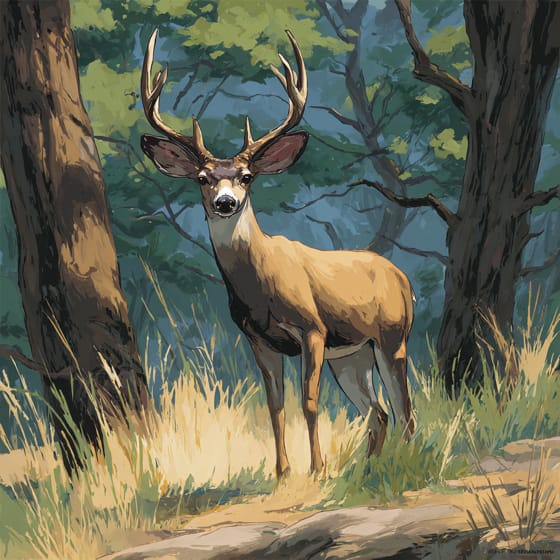
Odocoileus hemionus
browses leaves and twigs, especially in winter
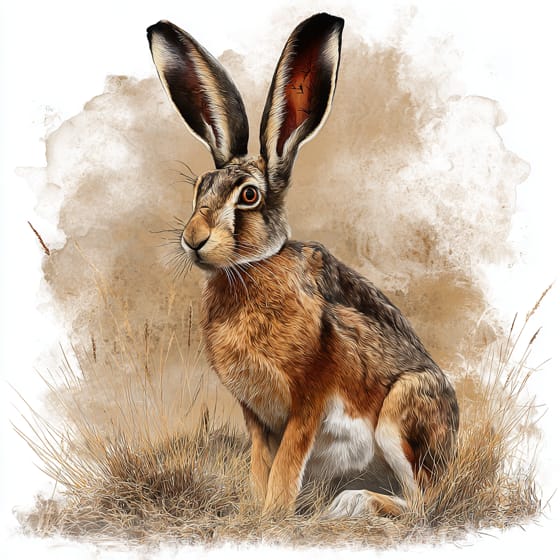
Lepus californicus
eats its leaves and stems as a food source
Centrocercus urophasianus
relies on its leaves for winter food
Dipodomys merriami
collects and consumes its nutritious seeds
Neotoma lepida
uses its branches to build protective nests and middens
A shrub is a woody plant smaller than a tree, typically with multiple stems branching from or near the ground.
Evergreen plants retain their foliage throughout the year, never shedding all their leaves at once.
Salt tolerant plants can withstand and grow in conditions with elevated salinity levels in the soil or water.
Drought-tolerant plants can survive and flourish in conditions with limited water availability.

Edible plants are those parts of a plant that are considered safe for human consumption.

Describes plants that are particularly attractive and beneficial to a wide range of pollinating organisms.

Desert habitats are arid regions characterized by extremely low precipitation and often extreme temperatures, supporting specialized flora and fauna.
No aliases listed yet.
Danger
1/5 · Very low
Don't eat any plants you find without asking an adult first.
The easiest way to identify Shadscale Saltbush is to use the Snappit nature identifier app.
30-150 cm
50-200 cm
Spring to early summer
Yes
None
Perennial
Wind
Zoom in to split clusters and explore where this object has been snapped.

Colorado, US
You might spot Common Side-Blotched Lizard and Eastern Collared Lizard.
View guide →

Oregon, US
You might spot Blue Mountain Prairie Clover and Munro's Globemallow.
View guide →

California, US
You might spot Desert Holly, Western Joshua Tree, and Creosote Bush.
View guide →
Take the discovery with you
Snap it with Snappit to identify it, learn what makes it special, and add the discovery to your collection.









.jpg&width=800)



_001.jpg&width=800)


