





Harlequin Glorybower
clerodendrum trichotomum
The Harlequin Glorybower is a colorful plant that grows beautiful flowers! Its unique leaves and vibrant blooms make it a fun addition to gardens and parks.
Habitat: Harlequin Glorybower thrives in gardens, parks, and along forest edges.
The Harlequin Glorybower has fragrant white flowers emerging from reddish-purple buds. These are followed by striking metallic blue berries, each held within a star-shaped, vibrant red calyx, making it visually distinct.
Category
PlantsRarity
Common
Danger
0/5 · No known danger
Snaps
Be the first to snap!
After flowers fade, vibrant red cups hold shining blue berries for months!
It blooms late summer, bringing beauty when other garden plants are fading.
Its flowers release a powerful, sweet scent, especially at dusk on warm evenings!
Its metallic blue berries look like tiny jewels in bright red star-shaped cups!
Harlequin Glorybower has brilliant blue berries in vibrant red, star-shaped cups, attracting birds to disperse its seeds.
Harlequin Glorybower can release a strong, sweet fragrance from its flowers, especially in the evening, to attract nocturnal pollinators.
Harlequin Glorybower has a showy red calyx that persists after flowers fade, highlighting its unique blue fruit.
Apis mellifera
Attracted to the flowers' nectar and pollen.
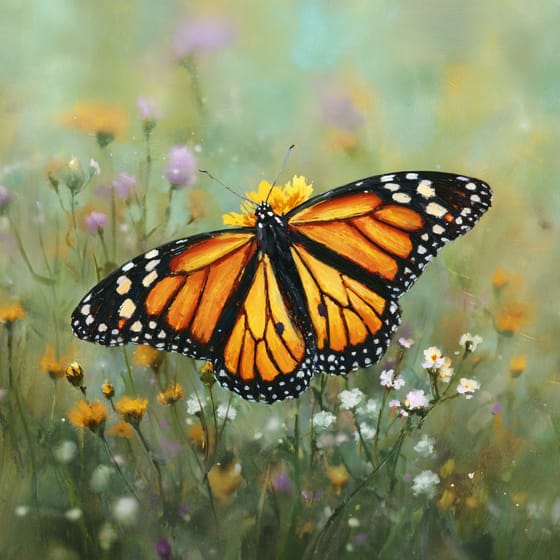
Danaus plexippus
Visits the fragrant flowers for their nectar.
Hypsipetes amaurotis
Birds consume the plant's distinctive blue berries.
Social animals live in organized groups, cooperating for survival benefits such as foraging, defense, and raising offspring.
Colorful describes organisms or objects displaying a wide range of bright and distinct colors.
This trait characterizes organisms whose diet consists entirely or primarily of plant material.
Forest habitats are terrestrial environments dominated by dense tree cover, supporting a high diversity of plant and animal life.

Describes organisms that transfer pollen, enabling the fertilization and reproduction of plants.
Danger
0/5 · No known danger
No special safety notes yet.
The easiest way to identify Harlequin Glorybower is to use the Snappit nature identifier app.
300-600 cm
200-500 cm
1-2 cm
Late summer to fall
No
None
Perennial
Zoom in to split clusters and explore where this object has been snapped.
Recent snaps will appear here as new observations are added.
Take the discovery with you
Snap it with Snappit to identify it, learn what makes it special, and add the discovery to your collection.








.jpg&width=800)



_001.jpg&width=800)




