





harsh paintbrush
Castilleja hispida
The harsh paintbrush is a bright and colorful flower that loves to grow in rocky places. Its unique shape looks like a paintbrush dipped in bright colors, making it a special sight in nature!
Habitat: Mountain regions
The harsh paintbrush has upright, bristly stems topped with vibrant, flame-like clusters of red-orange and yellow. These colorful parts are actually modified leaves called bracts, which often hide its tiny, inconspicuous green flowers. Its bright hues make it easily distinguishable against its often dry, rocky habitats.
Category
PlantsRarity
Common
Danger
1/5 · Very low
Snaps
1
It's a 'hemiparasite,' meaning it drinks from other plants' roots!
Its roots can connect to over 10 different plant species at once!
The bright 'flowers' you see are actually colorful leaves called bracts!
The name 'paintbrush' comes from how its bright top looks dipped in paint!
Harsh paintbrush has special roots that can steal water and nutrients from nearby plants to help it grow.
Its bright red-orange bracts act like a giant arrow, guiding hummingbirds and bees to its tiny flowers.
Harsh paintbrush can thrive in rocky, dry soils where many other plants struggle to find nutrients and water.
Bombus vosnesenskii
collects nectar and pollen.

Calypte anna
drinks nectar, transfers pollen.
Pseudoroegneria spicata
taps into its roots for water.
Achillea millefolium
steals nutrients from roots.
Flowering plants are any plants that produce flowers as part of their reproductive cycle.
Summer blooming plants produce their flowers during the summer season, often providing vibrant color when many other plants have finished.
Fragrant flowers emit a pleasant aroma, often to attract pollinators or for defense.
Drought-tolerant plants can survive and flourish in conditions with limited water availability.

Colorful describes organisms or objects displaying a wide range of bright and distinct colors.

Describes plants that are particularly attractive and beneficial to a wide range of pollinating organisms.

This habitat trait identifies species found in mountainous regions, characterized by high elevation, steep slopes, and varying climate zones.
No aliases listed yet.
Danger
1/5 · Very low
Always look but don't touch flowers in the wild, as some can be delicate.
The easiest way to identify harsh paintbrush is to use the Snappit nature identifier app.
20-60 cm
15-30 cm
0.5-1.5 cm
Late spring to summer
No
Moderate
Perennial
Zoom in to split clusters and explore where this object has been snapped.
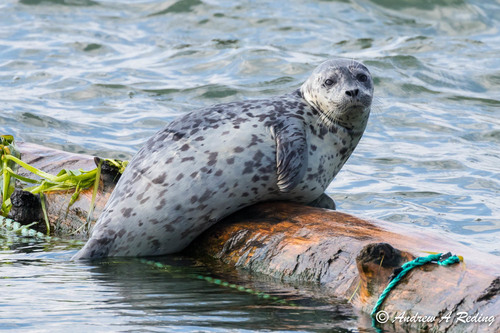
British Columbia, CA
You might spot Harbor Seal, Evergreen Huckleberry, and Alumroots.
View guide →

Montana, US
You might spot Columbian Ground Squirrel, Mule Deer, and Western Redcedar.
View guide →
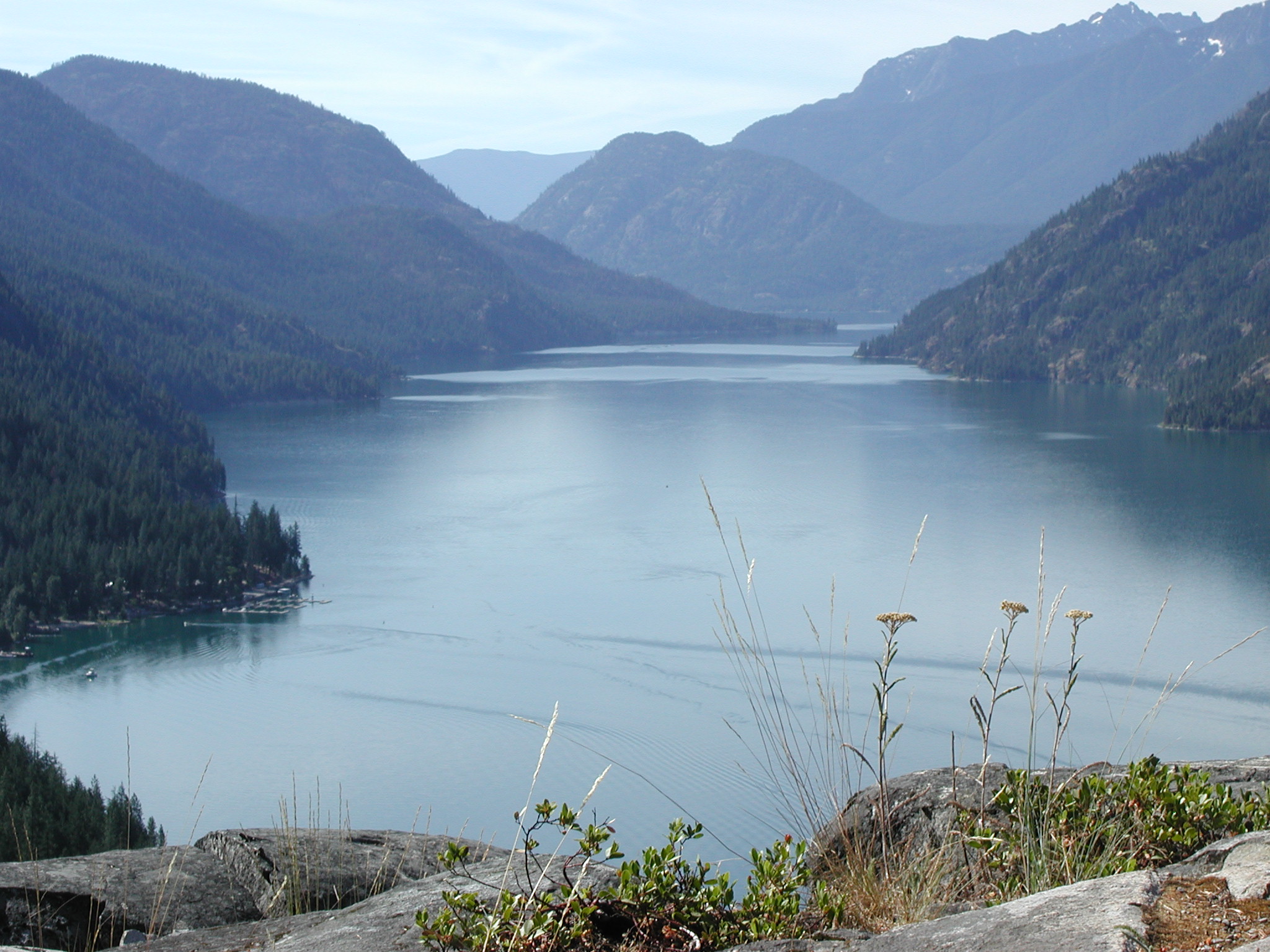
Washington, US
You might spot Western Fence Lizard and Mule Deer.
View guide →

British Columbia, CA
You might spot Red Osier Dogwood, Bearberry, and Virginia Strawberry.
View guide →
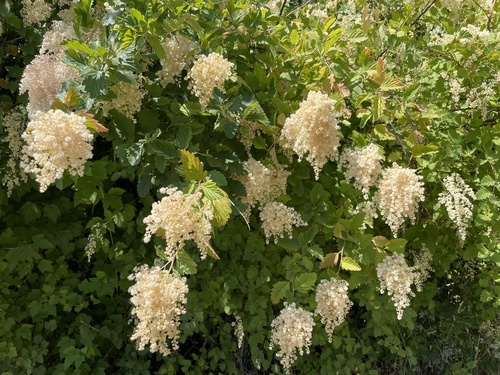
British Columbia, CA
You might spot Ocean Spray, Rocky Mountain Woodsia, and Prairie Smoke.
View guide →
.jpg)
British Columbia, CA
You might spot Oregon Grape, Heartleaf Arnica, and Solomon's Plume.
View guide →
Take the discovery with you
Snap it with Snappit to identify it, learn what makes it special, and add the discovery to your collection.








.jpg&width=800)


_001.jpg&width=800)




