





Heather Beetle
Lochmaea suturalis
The Heather Beetle is a small bug that loves to munch on heather plants. They are bright green and can be found in gardens and moorlands, making them fun to spot!
Habitat: Moorlands
The Heather Beetle is a small, oval-shaped beetle, typically 4-5mm long, sporting a reddish-brown or brownish-yellow body. Its wing cases often have a distinct darker seam, which helps differentiate it from other small brown beetles on heather plants.
Category
InsectsRarity
Common
Danger
1/5 · Very low
Snaps
Be the first to snap!
Adult heather beetles can sometimes fly high above the moorlands to find new food.
Even their babies, called larvae, eat only tough heather plants!
They can accidentally spread tiny fungus spores from plant to plant.
When many heather beetles appear, they can turn whole hillsides brown!
Heather Beetle can digest tough heather leaves because of specialized enzymes that help them break down plant material.
Heather Beetle has a defense mechanism that helps them avoid predators by dropping to the ground and pretending to be dead.
Heather Beetle can multiply quickly because females lay many eggs, leading to large populations when conditions are right.
These small beetles munch only on heather plants, especially the leaves and flowers.
Age differences: Larvae also feed on heather plants, mirroring the adult diet.
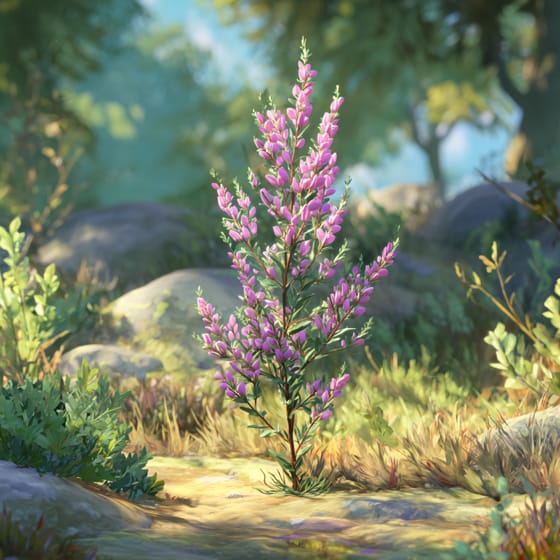
Calluna vulgaris
Primary food source for both larvae and adults.
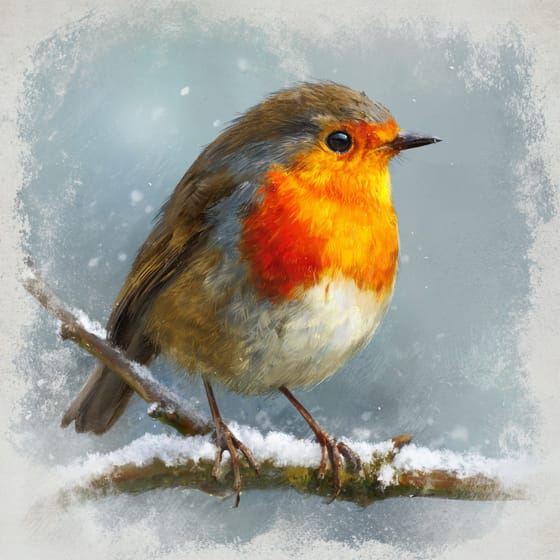
Erithacus rubecula
Robins and other small birds often forage for them.
Pardosa amentata
Spiders are common predators of heather beetles.
Solitary animals live alone for most of their lives, only interacting with others for mating or parental care.
Colorful describes organisms or objects displaying a wide range of bright and distinct colors.
This trait characterizes organisms whose diet consists entirely or primarily of plant material.
Diurnal animals are primarily active during daylight hours, typically resting or sleeping at night.

Pertaining to species that are significantly smaller than typical or average for their kind.

Describes organisms that transfer pollen, enabling the fertilization and reproduction of plants.
No aliases listed yet.
Danger
1/5 · Very low
It's best to look at beetles without touching them, as they can be delicate.
The easiest way to identify Heather Beetle is to use the Snappit nature identifier app.
8-10 mm
4-5 mm
60-90 days
These small beetles munch only on heather plants, especially the leaves and flowers.
Moorlands
Foraging
6
Zoom in to split clusters and explore where this object has been snapped.
Recent snaps will appear here as new observations are added.
Take the discovery with you
Snap it with Snappit to identify it, learn what makes it special, and add the discovery to your collection.







.jpg&width=800)



