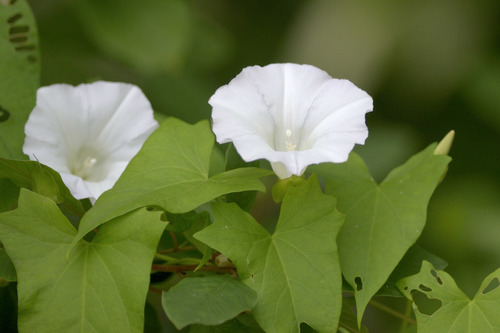


Hedge Bindweed
calystegia sepium
Hedge Bindweed (Calystegia sepium) is a vigorous perennial climbing plant famous for its striking white, trumpet-shaped flowers. Belonging to the morning glory family (Convolvulaceae), it is a master climber, wrapping its spiraling stems tightly around other plants, fences, and structures to reach sunlight. While admired for its beauty, it is often viewed as a persistent weed due to its aggressive growth habit and deep, invasive rhizomes that make it difficult to eradicate once established.
Habitat: Found in hedges, wasteland, woodland edges, and garden borders, especially in moist, nutrient-rich soils.
Hedge Bindweed is characterized by its large, showy, funnel-shaped flowers, which are typically pure white but can sometimes feature light pink stripes. These blooms are usually 5 to 8 cm in diameter and are flanked at the base by two large, green, leafy bracts that partially overlap and conceal the sepals. Its leaves are alternate, bright green, and distinctly arrow-shaped with pointed tips and basal lobes. The vine-like stems are smooth, hairless, and can twist counter-clockwise around supports, reaching lengths of up to 4 meters.
Category
PlantsRarity
Common
Danger
1/5 · Very low
Snaps
2
Even a tiny fragment of its underground rhizome left in the soil can regenerate into a complete new plant, making it incredibly resilient.
Its flowers open fully on clear, sunny mornings but close tightly when it rains or during the night.
The plant climbs by wrapping its stems counter-clockwise around supports, completing a full circle rotation in under two hours during peak growth.
The stems grow in a spiraling, counter-clockwise direction to climb surrounding vegetation without the use of tendrils.
It possesses extensive underground rhizomes that can produce new shoots even if severed into tiny pieces, allowing it to recover from weeding.
The large green bracts enclosing the flower base protect developing buds from herbivores and harsh weather conditions.
As a photosynthetic plant, hedge bindweed produces its own sugars using sunlight, water, and carbon dioxide, while absorbing essential minerals from the soil.
Agrius convolvuli
The caterpillars of this large moth feed on the leaves of the plant, while the adults drink its nectar.
Apis mellifera
Visits the flowers for nectar and pollen, acting as a key pollinator.
Urtica dioica
Often grows in the same damp hedge habitats, competing for ground space and light.
No trait badges are assigned for this object yet.
No aliases listed yet.
Collections for this object will appear here as more themes are added.
Danger
1/5 · Very low
No special safety notes yet.
The easiest way to identify Hedge Bindweed is to use the Snappit nature identifier app.
100-400 cm
As a photosynthetic plant, hedge bindweed produces its own sugars using sunlight, water, and carbon dioxide, while absorbing essential minerals from the soil.
Found in hedges, wasteland, woodland edges, and garden borders, especially in moist, nutrient-rich soils.
Photosynthesis
Zoom in to split clusters and explore where this object has been snapped.

Illinois, US
You might spot Carolina Mantis and Goldenrod Soldier Beetle.
View guide →

Pennsylvania, US
You might spot Solomon's Plume, Moonseed, and Virginia Waterleaf.
View guide →

Iowa, US
You might spot White-Tailed Deer, American Bullfrog, and Cup Plant.
View guide →
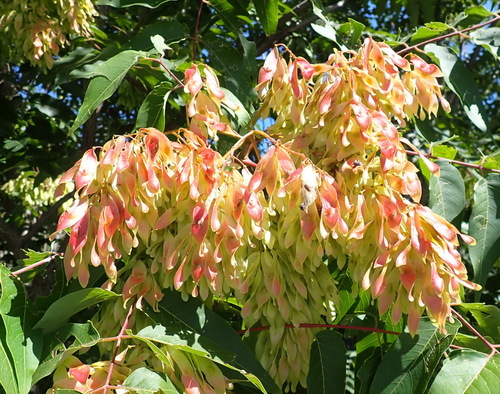
New York, US
You might spot Tree-Of-Heaven, Spotted Lanternfly, and Rock Pigeon.
View guide →

Illinois, US
You might spot Pond Slider, Virginia Bluebells, and Canada Goose.
View guide →
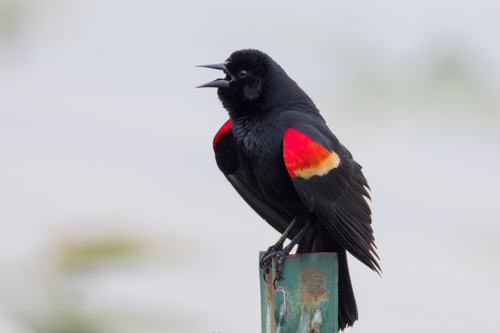
Virginia, US
You might spot Red-Winged Blackbird and Canada Goose.
View guide →
Take the discovery with you
Snap it with Snappit to identify it, learn what makes it special, and add the discovery to your collection.











.jpg&width=800)



_001.jpg&width=800)




